
Table of Contents
- Quick Summary
- Stage 1: Hip-Hop Roots (1980s)
- Stage 2: Skate Culture & DIY Identity (1990s)
- Stage 3: The Logo & Hype Era (2000s–2010s)
- Stage 4: Luxury Crossover & Runway Acceptance
- Stage 5: Digital Drops & Global Influence
- Streetwear in 2026: Where It Stands Today
- What This Evolution Means for New Brands
- Timeline Comparison Table
- FAQ
- Conclusion
- Internal Reference
Quick Summary
Streetwear began as cultural self-expression in hip-hop communities and skate scenes.
Today, it sits on luxury runways and in high-end boutiques.
From my experience working with modern streetwear brands, understanding this evolution is not just interesting — it’s strategic. If you don’t understand where streetwear came from, you won’t understand what consumers expect now.
In short:
Streetwear evolved from rebellion → identity → hype → luxury integration → global lifestyle fashion.
Stage 1: Hip-Hop Roots (1980s)
Streetwear’s earliest influence came from hip-hop culture in New York.
Artists used clothing to communicate:
- Status
- Cultural pride
- Community belonging
- Anti-establishment attitude
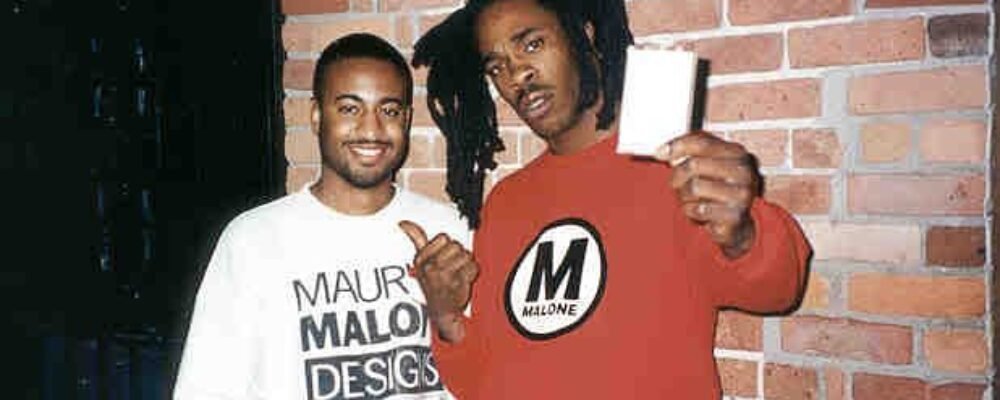
Brands like Adidas gained visibility through hip-hop icons wearing tracksuits and sneakers.
Oversized silhouettes, bold sportswear, and statement sneakers became symbols of authenticity.
At this stage, fashion wasn’t the goal. Identity was.
Stage 2: Skate Culture & DIY Identity (1990s)
On the West Coast, skate culture developed its own version of street style.
Skaters favored:
- Graphic T-shirts
- Relaxed fits
- Durable fabrics
- Independent labels
Brands such as Stüssy helped shape early streetwear through surf and skate influence.
This era introduced something crucial:
Community-first branding.
Streetwear was local, organic, and driven by subculture — not corporate strategy.
Stage 3: The Logo & Hype Era (2000s–2010s)
The 2000s changed everything.
Limited releases and bold logos became central to the streetwear economy.
Brands like Supreme mastered scarcity marketing:
- Limited drops
- Long queues
- Resale markets
Streetwear became:
- Collectible
- Status-driven
- Globally recognized
Platforms like HYPEBEAST – Streetwear Culture Media helped amplify hype worldwide.
Scarcity marketing principles discussed by Harvard Business Review – Branding & Consumer Psychology became foundational strategy.
This was the era when hype became currency.
Stage 4: Luxury Crossover & Runway Acceptance
Luxury fashion initially dismissed streetwear.
Then something shifted.
High-fashion houses began incorporating:
- Oversized silhouettes
- Sneakers
- Hoodies
- Street-inspired tailoring
Collaborations between luxury brands and street labels blurred traditional boundaries.
According to Statista – Global Luxury Fashion Market Data, younger consumers significantly influenced luxury market growth.
Luxury realized that youth culture defines the future of fashion.
Streetwear moved from underground to institutional.
Stage 5: Digital Drops & Global Influence
Social media transformed streetwear again.
Instagram and TikTok allowed brands to:
- Launch globally
- Build direct communities
- Control narrative
- Drop micro-collections
The traditional fashion calendar became less relevant.
Instead of seasonal collections, brands adopted:
- Capsule drops
- Limited restocks
- Direct-to-consumer launches
Streetwear became faster, leaner, and more global.
Streetwear in 2026: Where It Stands Today
Today’s streetwear looks different from its early days.
Current characteristics:
- Premium heavyweight fabrics (240–400 GSM)
- Elevated minimalism
- Utility influences
- Sustainable production awareness
Trend forecasting platforms like WGSN – Global Fashion Forecasting highlight the continued fusion of performance and refined street aesthetics.
Streetwear is no longer just rebellion — it’s mainstream fashion with cultural roots.
What This Evolution Means for New Brands
If you're launching a streetwear line now, here’s what this history teaches:
1. Culture Still Wins
Streetwear must feel authentic.
2. Quality Is Now Expected
Heavy fabrics and strong construction are baseline expectations.
3. Drops Still Work — But Strategy Matters
Scarcity without storytelling fails.
4. Positioning Is Everything
Are you premium? Accessible? Utility-driven?
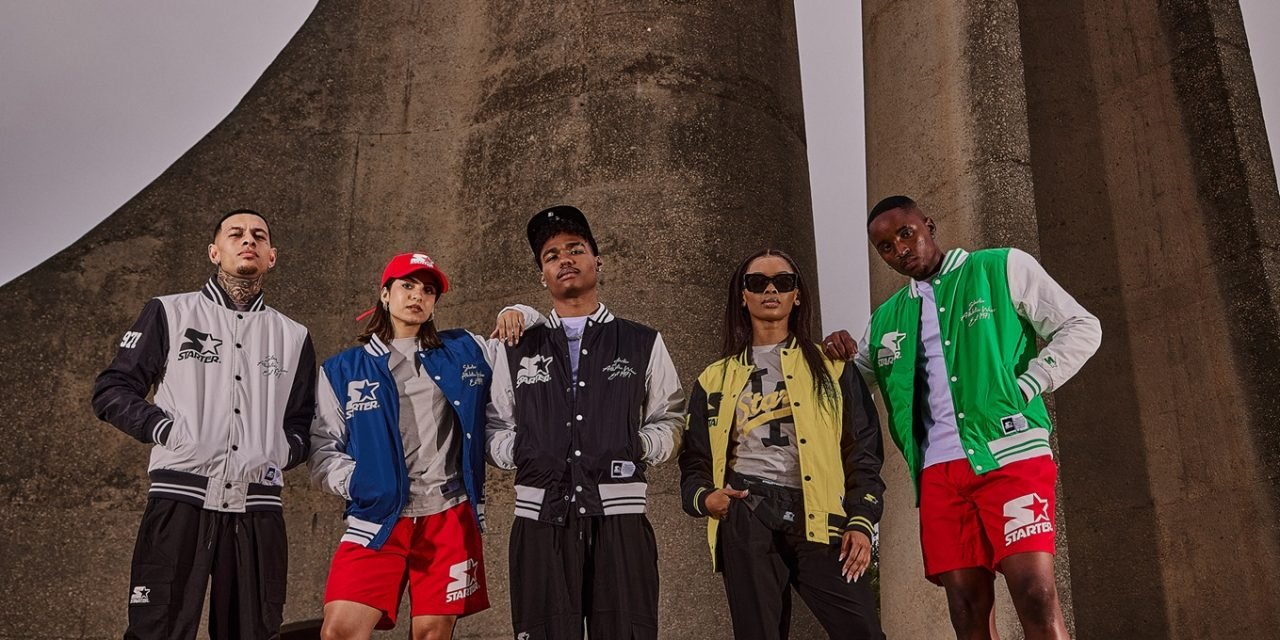
For brands developing modern streetwear collections aligned with today’s standards, professional production support is essential.
Explore 👉
Fuki Apparel – Streetwear Manufacturing Solutions
Timeline Comparison Table
| Era | Cultural Driver | Key Feature | Business Model |
|---|---|---|---|
| 1980s | Hip-Hop | Oversized sportswear | Community-driven |
| 1990s | Skate Culture | Graphic tees | Independent labels |
| 2000s | Hype & Logos | Limited drops | Scarcity marketing |
| 2010s | Luxury Crossover | Collaborations | High-margin positioning |
| 2026 | Premium Utility | Quality & structure | Direct-to-consumer |
This timeline shows how streetwear matured — not disappeared.
FAQ
Is streetwear still relevant today?
Yes. It evolved from subculture to global fashion force.
Why did luxury brands embrace streetwear?
Because youth culture drives long-term market growth.
Is hype culture still important?
Yes, but consumers now demand substance behind hype.
What defines modern streetwear?
Quality materials, refined silhouettes, and authentic storytelling.
Conclusion
Streetwear’s journey from hip-hop neighborhoods to high-fashion runways proves one truth:
Culture creates commercial power.
It started as rebellion.
It grew into hype.
It matured into global fashion influence.
For modern brands, the lesson is clear:
Understand the roots.
Respect the culture.
Elevate the execution.
Internal Reference
If you're building a streetwear line that reflects modern quality standards and cultural authenticity, explore 👉
Fuki Apparel – Streetwear Manufacturing Solutions