
When developing a hoodie collection, one of the biggest fabric decisions you'll face is:
French Terry or Fleece?
Many new clothing brands focus on GSM, fit, or printing techniques, but the fabric construction itself often has a bigger impact on comfort, performance, seasonality, and customer satisfaction.
I've worked with brands producing everything from lightweight summer hoodies to heavyweight luxury streetwear collections, and one thing is clear:
Neither French Terry nor Fleece is universally better. The best fabric depends on when, where, and how your customers will wear the hoodie.
In this guide, I'll break down the differences between French Terry and Fleece hoodies, compare comfort, durability, warmth, cost, and streetwear appeal, and help you choose the right fabric for your brand.
Table of Contents
- 1. What Is French Terry?
- 2. What Is Fleece Fabric?
- 3. French Terry vs Fleece: Quick Comparison
- 4. Fabric Construction Differences
- 5. Warmth and Insulation
- 6. Comfort and Breathability
- 7. Durability Comparison
- 8. Which Fabric Works Best for Streetwear?
- 9. Cost Comparison
- 10. Choosing the Right Fabric for Your Brand
- 11. Common Fabric Selection Mistakes
- 12. FAQ
- Final Thoughts
1. What Is French Terry?
French Terry is a knit fabric with a smooth face and looped yarns on the inside.
Unlike fleece, the inner surface is not brushed.
French Terry Structure
- Smooth outer surface
- Loop-back interior
- Medium warmth
- Excellent breathability
Common Products
- Premium hoodies
- Joggers
- Sweatshirts
- Lightweight streetwear
Why Brands Use French Terry
✔ Breathable
✔ Premium drape
✔ Soft feel
✔ Multi-season wearability
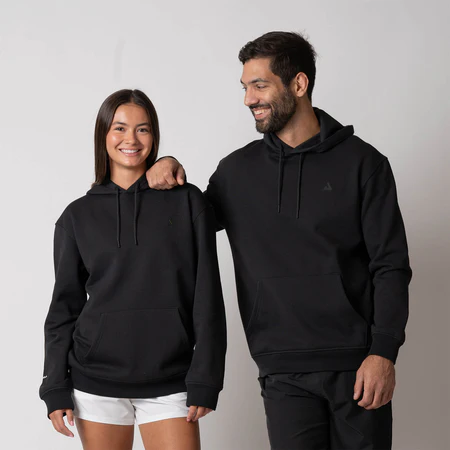
French Terry is extremely popular in contemporary fashion and luxury casualwear.
2. What Is Fleece Fabric?
Fleece fabric starts similarly to French Terry but undergoes an additional brushing process.
This brushing creates a soft, fluffy interior.
Fleece Characteristics
- Brushed interior
- Higher insulation
- Softer touch
- Better cold-weather performance
Common Products
- Winter hoodies
- Heavyweight sweatshirts
- Cold-weather apparel
- Premium fleece sets
Why Brands Use Fleece
✔ Maximum comfort
✔ Superior warmth
✔ Cozy feel
✔ Winter performance
Fleece is often associated with comfort-focused apparel.
3. French Terry vs Fleece: Quick Comparison
| Feature | French Terry | Fleece |
|---|---|---|
| Interior Surface | Looped | Brushed |
| Warmth | Moderate | High |
| Breathability | Excellent | Good |
| Weight | Light to Heavy | Medium to Heavy |
| Seasonality | Multi-Season | Fall/Winter |
| Moisture Management | Excellent | Good |
| Streetwear Popularity | High | High |
| Comfort | Excellent | Excellent |
The biggest difference is how the inside of the fabric is finished.
4. Fabric Construction Differences
Understanding construction helps explain performance differences.
French Terry Construction
French Terry retains its looped yarn structure.
This creates:
- Better airflow
- Lower heat retention
- Faster drying
Fleece Construction
Fleece is mechanically brushed.
This creates:
- Air pockets
- Added softness
- Improved insulation
Construction Comparison
| Characteristic | French Terry | Fleece |
|---|---|---|
| Loops Visible | Yes | No |
| Brushed Interior | No | Yes |
| Airflow | High | Medium |
| Heat Retention | Moderate | High |
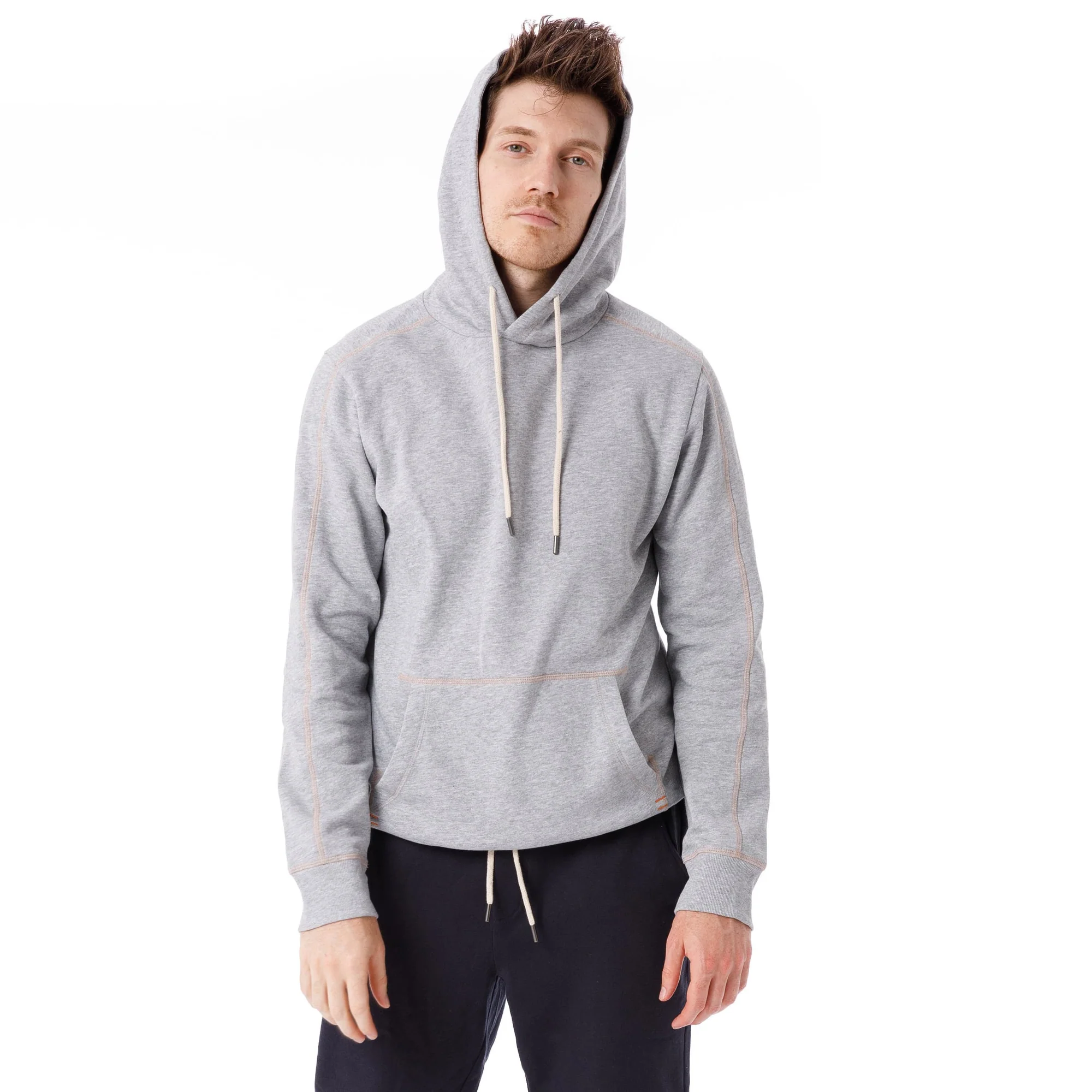
The structure directly affects how the garment feels when worn.
5. Warmth and Insulation
One of the biggest differences between the two fabrics is warmth.
French Terry Warmth
French Terry provides:
- Moderate insulation
- Better temperature regulation
- Year-round wearability
Fleece Warmth
Fleece provides:
- Strong insulation
- Heat retention
- Winter comfort
Warmth Comparison
| Condition | Better Choice |
|---|---|
| Summer Evenings | French Terry |
| Spring/Fall | French Terry |
| Cold Winters | Fleece |
| Indoor Wear | French Terry |
| Outdoor Winter Wear | Fleece |
If warmth is the priority, fleece usually wins.
6. Comfort and Breathability
Comfort is more than softness.
It's also about temperature management.
French Terry Comfort
French Terry feels:
- Lightweight
- Airy
- Flexible
- Dry
Fleece Comfort
Fleece feels:
- Plush
- Cozy
- Warm
- Soft
Comfort Comparison
| Factor | French Terry | Fleece |
|---|---|---|
| Breathability | Excellent | Good |
| Softness | Good | Excellent |
| Heat Management | Excellent | Moderate |
| Cozy Feel | Good | Excellent |
Many customers prefer fleece for comfort and French Terry for versatility.
7. Durability Comparison
Both fabrics can be highly durable when manufactured correctly.
French Terry Strengths
- Better shape retention
- Reduced pilling
- Long-term structure
Fleece Strengths
- Durable construction
- Comfortable wear
- Strong insulation
Durability Table
| Area | French Terry | Fleece |
|---|---|---|
| Shape Retention | Excellent | Very Good |
| Pilling Resistance | Excellent | Good |
| Wash Performance | Excellent | Very Good |
| Longevity | Excellent | Very Good |
Premium French Terry often ages exceptionally well.
8. Which Fabric Works Best for Streetwear?
Modern streetwear brands use both fabrics extensively.
The choice depends on the product concept.
French Terry Works Best For
- Luxury basics
- Spring collections
- Lightweight hoodies
- Fashion-forward silhouettes
Fleece Works Best For
- Heavyweight hoodies
- Winter drops
- Oversized collections
- Comfort-focused products
Streetwear Comparison
| Product Type | Better Fabric |
|---|---|
| Lightweight Hoodie | French Terry |
| Oversized Winter Hoodie | Fleece |
| Luxury Basics | French Terry |
| Heavyweight Streetwear | Fleece |
| Year-Round Collection | French Terry |
Both fabrics have a place in modern streetwear.
9. Cost Comparison
Cost differences vary depending on GSM, fiber composition, and finishing.
French Terry Cost Drivers
- Fabric weight
- Cotton quality
- Yarn construction
Fleece Cost Drivers
- Brushing process
- Additional finishing
- Material weight
Typical Cost Comparison
| Area | French Terry | Fleece |
|---|---|---|
| Fabric Cost | Moderate | Moderate-High |
| Processing Cost | Lower | Higher |
| Retail Positioning | Premium | Premium |
| Production Complexity | Lower | Higher |
The price difference is usually not dramatic but becomes noticeable at scale.
10. Choosing the Right Fabric for Your Brand
The best choice depends on your customer.
Choose French Terry If:
✔ You want year-round wearability
✔ Your customers live in warmer climates
✔ You prioritize breathability
✔ You sell premium basics
✔ You prefer cleaner silhouettes
Choose Fleece If:
✔ You focus on winter collections
✔ Warmth is important
✔ You sell oversized hoodies
✔ You want maximum softness
✔ Comfort is a major selling point
Quick Decision Matrix
| Brand Goal | Recommended Fabric |
|---|---|
| Luxury Essentials | French Terry |
| Winter Streetwear | Fleece |
| Everyday Basics | French Terry |
| Heavyweight Hoodies | Fleece |
| Transitional Seasons | French Terry |
11. Common Fabric Selection Mistakes
Mistake #1: Choosing Fabric Based Only on GSM
A 400 GSM French Terry hoodie can feel very different from a 400 GSM fleece hoodie.
Construction matters as much as weight.
Mistake #2: Ignoring Climate
The perfect winter hoodie may be uncomfortable in warmer regions.
Mistake #3: Following Trends Blindly
Not every streetwear brand needs ultra-heavy fleece.
Your customer should determine your fabric choice.
Mistake #4: Prioritizing Cost Over Experience
Fabric directly affects how customers perceive quality.
The cheapest option isn't always the most profitable.
Internal Resources
If you're sourcing custom hoodies or building a streetwear collection, explore:
Industry Resources
For additional textile and apparel insights:
12. FAQ
Is French Terry better than fleece?
Neither is universally better. French Terry excels in breathability, while fleece excels in warmth and softness.
Why do luxury brands use French Terry?
French Terry provides a cleaner drape, premium appearance, and multi-season versatility.
Is fleece warmer than French Terry?
Yes. The brushed interior traps more heat and provides greater insulation.
Which fabric is better for streetwear hoodies?
Both work well. French Terry is common in luxury basics, while fleece dominates heavyweight streetwear.
Which fabric lasts longer?
Both are durable, but premium French Terry often shows less pilling over time.
Final Thoughts
French Terry and fleece hoodies are designed for different purposes.
French Terry offers:
- Better breathability
- Cleaner silhouettes
- Multi-season versatility
- Premium everyday wear
Fleece offers:
- Greater warmth
- Maximum softness
- Cozy comfort
- Winter performance
From my experience, successful brands don't ask which fabric is better.
They ask:
Which fabric creates the experience my customer expects?
If your brand focuses on luxury basics and year-round wear, French Terry is often the smarter choice.
If your goal is oversized, heavyweight, winter-ready streetwear, fleece is difficult to beat.
The best hoodie fabric isn't the most expensive one.
It's the one that matches your customer, climate, and brand story.