
When starting a clothing brand, one of the biggest decisions is choosing the right production model.
Many entrepreneurs compare fast fashion and private label manufacturing because both allow brands to sell apparel without owning their own factory.
From my experience working with clothing brands and OEM manufacturers, the biggest difference is simple:
Fast fashion focuses on speed and volume. Private label focuses on brand ownership and long-term growth.
This guide explains how both models work, their advantages and disadvantages, and which option is better for different types of fashion businesses.
Table of Contents
- Quick Answer
- What Is Fast Fashion?
- What Is Private Label Manufacturing?
- Fast Fashion vs Private Label Comparison
- Key Differences for Clothing Brands
- Which Model Should You Choose?
- What Successful Brands Are Doing Now
- FAQ
- Final Thoughts
Quick Answer
The main difference between fast fashion and private label manufacturing is the business goal.
| Model | Main Focus |
|---|---|
| Fast Fashion | Quickly produce trending products at low prices |
| Private Label | Build a unique clothing brand with customized products |
If your goal is quick sales and trend response, fast fashion may work.
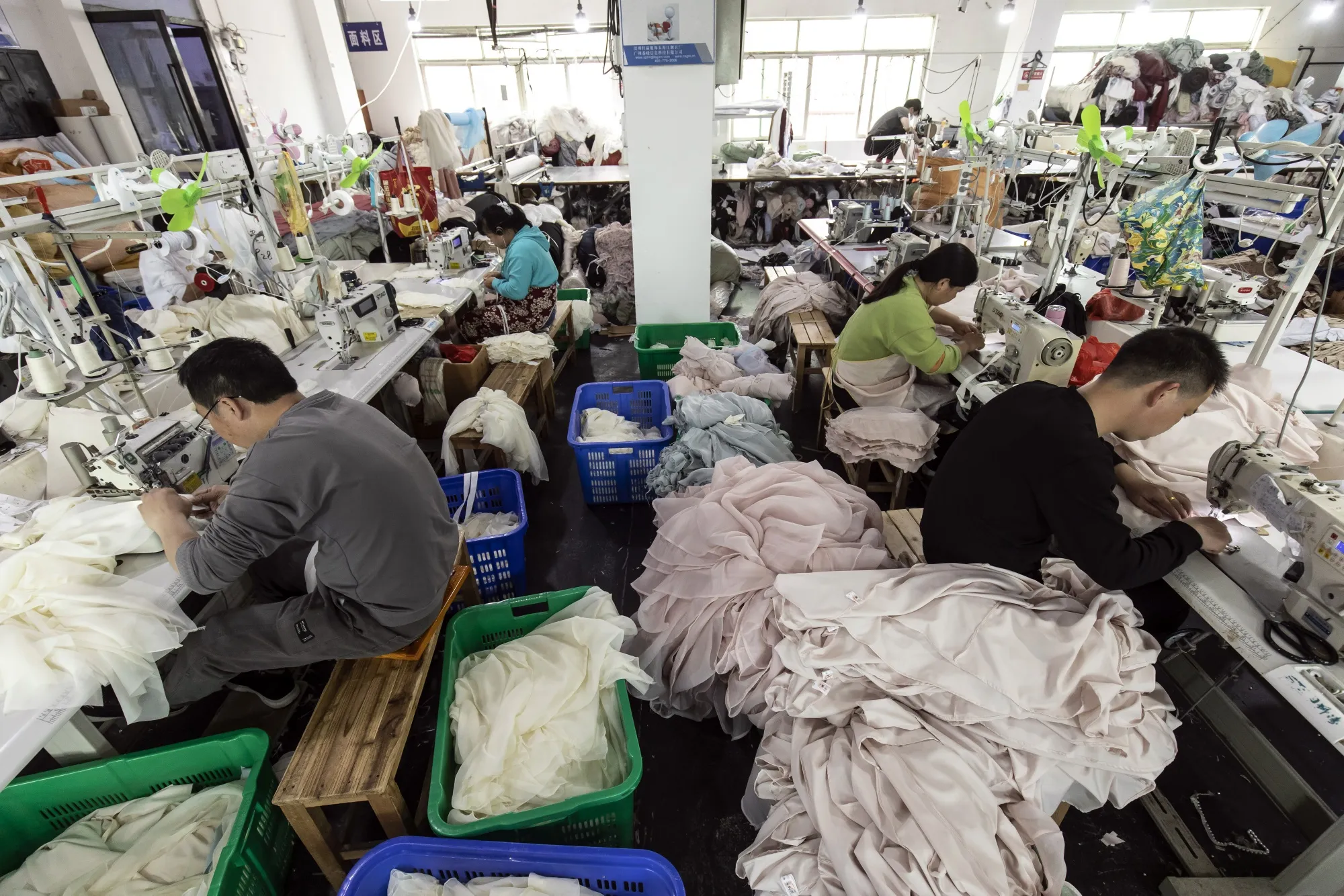
If your goal is building a recognizable brand with loyal customers, private label manufacturing is usually the better choice.
What Is Fast Fashion?
Fast fashion is a production model designed around speed.
Brands using this model usually:
- Follow current trends
- Produce large quantities
- Keep prices low
- Release products quickly
The main advantage is that brands can react quickly to market demand.
For example, when a style becomes popular on social media, fast fashion companies can quickly create similar products and bring them to market.
Advantages of Fast Fashion
| Advantage | Why It Matters |
|---|---|
| Fast production | Quickly follow market trends |
| Lower prices | Easier customer purchase decisions |
| Large supply | Suitable for high-volume sales |
Limitations of Fast Fashion
However, fast fashion also creates challenges:
- Limited product uniqueness
- Strong price competition
- Lower brand differentiation
- Less control over product quality
For brands that want long-term identity, these limitations can become a problem.
What Is Private Label Manufacturing?
Private label manufacturing means a factory produces clothing under your own brand name.
Instead of selling generic products, brands can customize:
- Labels
- Packaging
- Fabric choices
- Colors
- Fits
- Designs
From my experience, private label is becoming increasingly popular because more entrepreneurs want to create brands instead of simply selling products.
Benefits of Private Label Manufacturing
1. Stronger Brand Identity
Private label allows brands to create products customers cannot easily find elsewhere.
2. Better Pricing Control
Brands can decide:
- Product positioning
- Retail pricing
- Marketing strategy
3. Higher Customer Loyalty
Unique products help brands build stronger relationships with customers.
Fast Fashion vs Private Label Comparison
| Category | Fast Fashion | Private Label |
|---|---|---|
| Production Goal | Speed | Brand development |
| Product Design | Trend-based | Customized |
| Brand Control | Low | High |
| Product Uniqueness | Limited | Strong |
| MOQ Options | Usually larger | More flexible |
| Quality Control | Depends on supplier | More controlled |
| Long-Term Value | Lower | Higher |
Key Differences for Clothing Brands
1. Product Development
Fast fashion usually starts from existing market trends.
Private label starts from:
- Brand ideas
- Target customers
- Unique product concepts
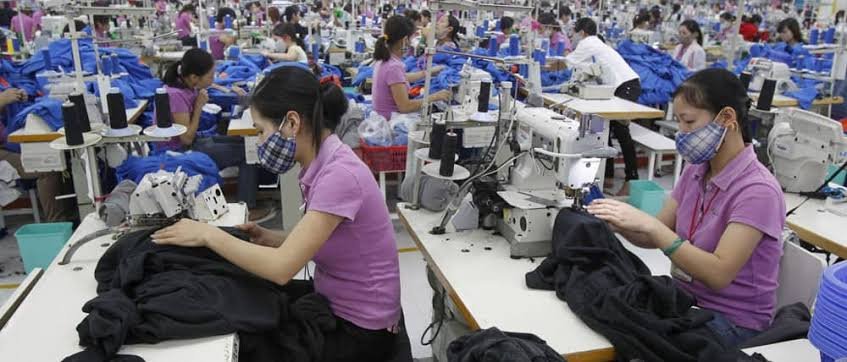
2. Manufacturing Control
With fast fashion, brands often have limited influence over production.
With private label manufacturing, brands can control:
- Fabric quality
- Construction details
- Packaging
- Branding elements
3. Customer Perception
Fast fashion customers often buy based on:
- Price
- Trend
Private label customers often buy based on:
- Brand story
- Quality
- Product identity
Which Model Should You Choose?
The right choice depends on your business goals.
Choose Fast Fashion If:
You want:
- Quick product launches
- Low-cost products
- Trend-based sales
- Large volume operations
Choose Private Label If:
You want:
- A unique brand identity
- Better product control
- Long-term customer relationships
- Higher perceived value
From my experience, most new clothing brands today benefit more from private label because it creates stronger differentiation.
What Successful Brands Are Doing Now
Many successful fashion brands are combining speed with customization.
They are:
Starting With Small Production Runs
Instead of producing thousands of pieces immediately, brands now test:
- Small collections
- Limited drops
- Customer feedback
Working With Flexible OEM Manufacturers
Modern brands prefer manufacturers that provide:
- Low MOQ options
- Fast sampling
- Custom development support
For example, Fuki Apparel helps streetwear brands develop custom collections with OEM and private label manufacturing solutions.
Building Products Around Quality
Successful brands focus on:
- Better fabrics
- Better fits
- Stronger construction
- Consistent production
Internal & External Resources
Internal Resources
Industry Resources
FAQ
Is private label more expensive than fast fashion?
Private label may have higher development costs, but it gives brands better control over pricing and profit margins.
Can small brands use private label manufacturing?
Yes. Many manufacturers now support startups with lower MOQ production options.
Which model is better for building a clothing brand?
Private label is usually better because it allows stronger branding and product differentiation.
Why is fast fashion still popular?
Because it offers affordable prices and quickly follows consumer trends.
Can private label brands compete with fast fashion?
Yes. Many brands compete through better quality, unique designs, and stronger customer relationships.
Final Thoughts
From my experience, fast fashion and private label manufacturing are not simply different production methods—they represent two completely different business strategies.
Fast fashion wins through speed.
Private label wins through brand value.
For entrepreneurs who want to build a long-term clothing business, private label manufacturing provides more control, stronger differentiation, and better growth opportunities.
Working with an experienced OEM partner like Fuki Apparel can help brands develop unique products while maintaining quality, flexibility, and scalable production.
