
Table of Contents
- Quick Answer
- Does P. Diddy Still Own Sean John?
- What Is Sean John?
- How Sean John Started
- Sean John Ownership Timeline
- Why Sean John Became So Successful
- Sean John vs Other Hip-Hop Fashion Brands
- What Happened to Sean John Over the Years?
- What Fashion Brands Can Learn from Sean John
- Sean John Brand Overview
- FAQ
- Conclusion
- Internal Reference
Quick Answer
Yes, Sean "P. Diddy" Combs regained ownership of Sean John in 2021.
After previously selling a majority stake in the company, Combs reacquired the brand through a bankruptcy auction and once again became its owner.
Today, Sean John remains closely associated with Diddy's legacy as one of the most influential entrepreneurs in hip-hop fashion.
From my experience studying streetwear and celebrity fashion brands, Sean John is one of the most important examples of how music culture successfully crossed into mainstream fashion.
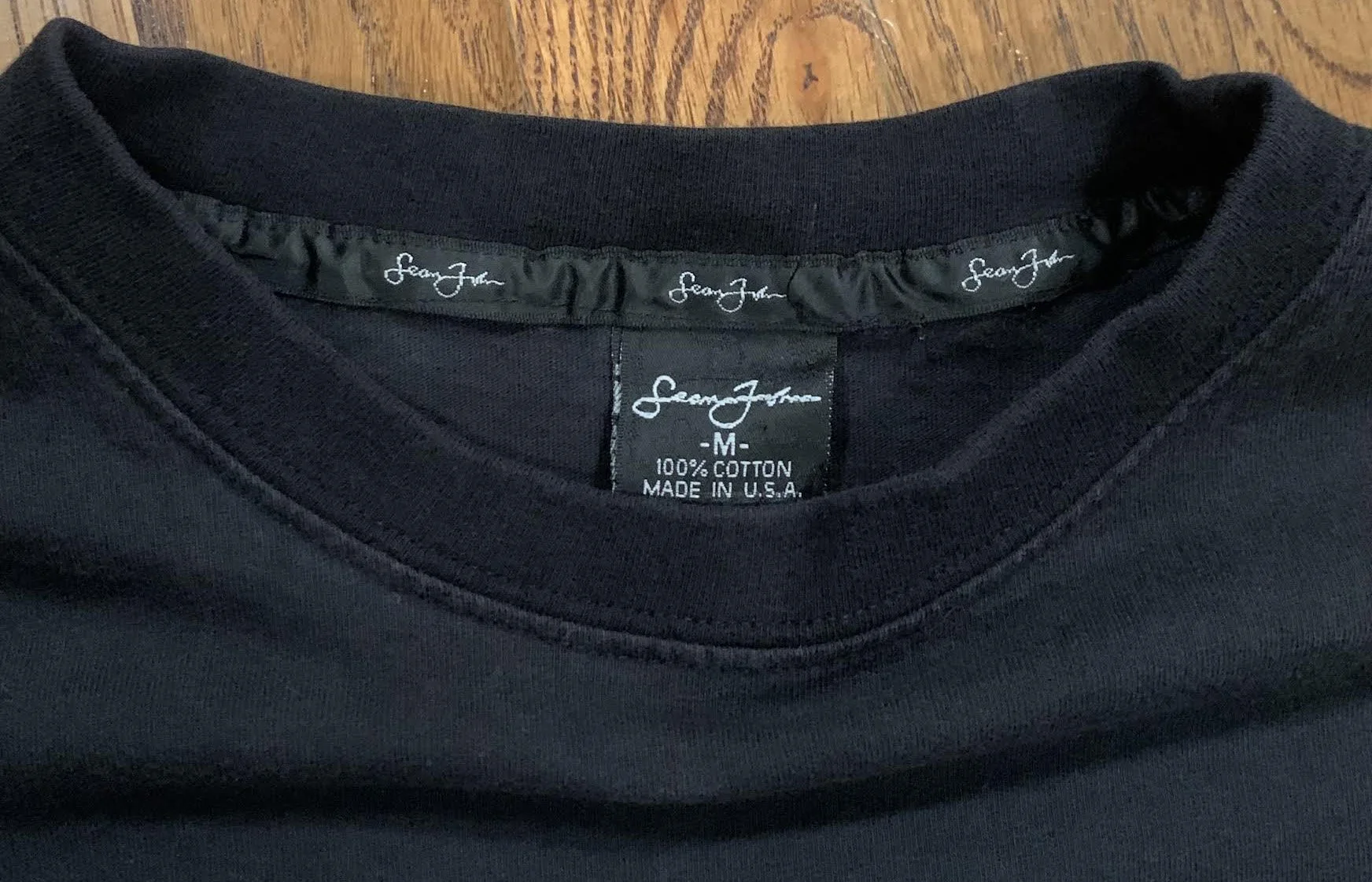
Does P. Diddy Still Own Sean John?
The short answer is:
Yes.
Diddy currently owns Sean John after buying back the brand in 2021.
Ownership Summary
| Period | Ownership Status |
|---|---|
| 1998–2016 | Owned by Sean Combs |
| 2016 | Majority stake sold |
| 2021–Present | Reacquired by Sean Combs |
This means that although ownership changed over time, Sean Combs ultimately regained control of the brand.
What Is Sean John?
Sean John is an American fashion brand founded by Sean Combs in 1998.
The brand became famous for combining:
- hip-hop culture
- luxury influences
- urban fashion
- premium sportswear
- lifestyle apparel
At its peak, Sean John was one of the most successful celebrity-owned fashion brands in the world.
Brand Overview
| Category | Details |
|---|---|
| Founder | Sean Combs |
| Founded | 1998 |
| Country | United States |
| Industry | Fashion & Lifestyle |
| Known For | Hip-Hop Fashion |
How Sean John Started
Sean Combs launched Sean John during the late 1990s when hip-hop culture was rapidly expanding globally.
His goal was to create a fashion label that reflected:
- urban culture
- luxury styling
- confidence
- entrepreneurship
Unlike many celebrity merchandise lines, Sean John was built as a serious fashion business.
From what I've observed, this commitment to quality helped separate Sean John from many short-lived celebrity brands.
Sean John Ownership Timeline
Understanding the ownership history helps answer the question clearly.
Key Events
| Year | Event |
|---|---|
| 1998 | Sean John Founded |
| 2016 | Majority Stake Sold |
| 2021 | Diddy Reacquires Brand |
| Present | Brand Owned by Sean Combs |
The reacquisition was widely viewed as an important moment in the brand's history.
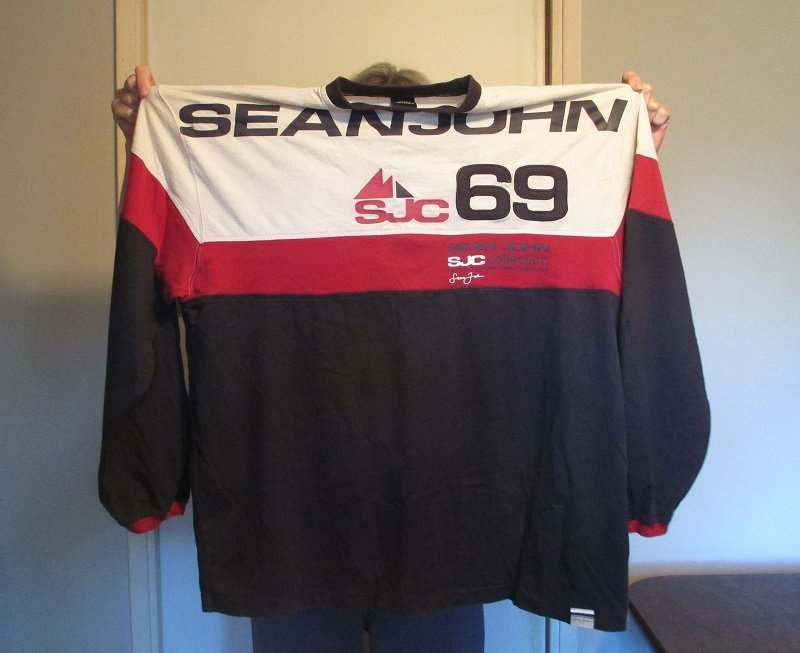
Why Sean John Became So Successful
Sean John achieved remarkable success for several reasons.
1. Strong Founder Influence
Sean Combs was already a major figure in music and entertainment.
2. Premium Positioning
The brand targeted consumers seeking elevated urban fashion.
3. Mainstream Appeal
Sean John successfully attracted both hip-hop fans and broader fashion consumers.
4. Industry Recognition
The brand received significant awards and fashion industry recognition.
This combination helped Sean John grow into a global business.
Sean John vs Other Hip-Hop Fashion Brands
Several fashion brands emerged from hip-hop culture during the same period.
Comparison Table
| Brand | Founder |
|---|---|
| Sean John | Sean Combs |
| Rocawear | Jay-Z |
| Phat Farm | Russell Simmons |
| FUBU | Daymond John |
| Karl Kani | Carl Williams |
Sean John was often viewed as one of the most premium brands in this category.
What Happened to Sean John Over the Years?
Like many fashion brands, Sean John experienced periods of growth and decline.
Challenges Included
- changing consumer trends
- retail shifts
- increased competition
- evolving streetwear culture
However, the brand continues to maintain historical significance within fashion and hip-hop culture.
Fashion publications such as Business of Fashion and Vogue have discussed Sean John's impact on the fashion industry.
What Fashion Brands Can Learn from Sean John
Sean John's journey offers valuable lessons.
1. Build a Strong Identity
Consumers connect with authentic brands.
2. Expand Beyond Celebrity Status
Long-term success requires strong products.
3. Invest in Quality
Product quality helps build credibility.
4. Ownership Matters
Maintaining control of intellectual property can be strategically important.
From my experience working with apparel businesses, strong branding combined with quality products often creates lasting value.
Sean John Brand Overview
| Category | Details |
|---|---|
| Founder | Sean Combs |
| Current Owner | Sean Combs |
| Founded | 1998 |
| Country | United States |
| Industry | Fashion |
| Known For | Hip-Hop Luxury Fashion |
FAQ
Does P. Diddy still own Sean John?
Yes. Sean Combs regained ownership of Sean John in 2021.
Did Diddy sell Sean John?
Yes. He previously sold a majority stake before later reacquiring the brand.
When was Sean John founded?
Sean John was founded in 1998.
Is Sean John still active?
The brand continues to exist and remains associated with Sean Combs.
Why was Sean John important?
Sean John helped bring hip-hop fashion into the mainstream and influenced an entire generation of apparel brands.
Conclusion
Yes, P. Diddy still owns Sean John today.
After selling a majority stake years earlier, he successfully regained ownership in 2021 and once again became the brand's owner.
Sean John's legacy was built on:
- hip-hop culture
- premium fashion
- entrepreneurship
- strong branding
- cultural influence
From what I've seen, the brand remains one of the most significant success stories in the history of celebrity-owned fashion.
Internal Reference
If you're inspired by iconic streetwear and lifestyle brands and want to create your own apparel collection, explore:
As a professional streetwear manufacturer, Fuki Apparel helps brands develop custom hoodies, oversized T-shirts, cargo pants, denim products, jackets, and complete streetwear collections with flexible MOQ and premium production support.
For more manufacturing resources, visit:
👉 Fuki Apparel Streetwear Manufacturing Guide
