
When starting a clothing brand, many founders focus heavily on one thing:
👉 Finding the cheapest manufacturer possible.
At first, that seems logical.
Lower production costs appear to mean:
- Higher profit margins
- Lower startup risk
- Easier inventory planning
But over time, many brands realize something important:
👉 Cheap production often creates expensive problems later.
So the real question becomes:
Does Fuki Apparel offer better long-term value than cheap factories?
Let’s break it down honestly.
Table of Contents
- Quick Answer
- Why Cheap Manufacturing Can Become Expensive
- Overview of Fuki Apparel
- What Long-Term Value Actually Means
- Fuki Apparel vs Cheap Factories
- How Better Production Supports Brand Growth
- Where Cheap Factories Usually Struggle
- Who Benefits Most From Long-Term Manufacturing Value
- Potential Limitations
- FAQs
- Conclusion
- Internal Reference
Quick Answer
Yes — Fuki Apparel often provides better long-term value than cheap factories because it focuses on production consistency, structured workflows, stronger customization, and scalable manufacturing support.
Why Cheap Manufacturing Can Become Expensive
Low-cost factories sometimes reduce pricing by limiting:
- Quality control
- Communication support
- Material consistency
- Production flexibility
- Workflow organization
At first, the savings may seem attractive.
But over time, brands often experience:
- Higher defect rates
- Inconsistent products
- Customer complaints
- Delayed launches
- Inventory waste
👉 Cheap production can create hidden operational costs.
Overview of Fuki Apparel
FukiApparel is a streetwear-focused manufacturer built for startup and growth-stage brands.
Key production features include:
- MOQ around 100 pcs
- Sampling in 7–10 days
- Bulk production in 25–35 days
- Full customization support
👉 The production system is designed for long-term scalability and consistency.
What Long-Term Value Actually Means
Long-term manufacturing value is not only about unit price.
It also includes:
Product Consistency
👉 Stable sizing, fabrics, and finishing
Lower Defect Rates
👉 Fewer product returns and complaints
Better Brand Reputation
👉 Stronger customer trust over time
Scalable Workflows
👉 Easier repeat production and growth
Production Stability
👉 More predictable operations as order volume increases
👉 Long-term value comes from reducing operational problems.
Fuki Apparel vs Cheap Factories
| Factor | Fuki Apparel | Cheap Factories |
|---|---|---|
| Pricing | Mid-range | Low |
| Quality Control | Strong | Often limited |
| Product Consistency | High | Variable |
| Customization | Advanced | Basic |
| Communication | More organized | Often inconsistent |
| Long-Term Scalability | Strong | Limited |
👉 Cheap factories usually prioritize price.
👉 Fuki Apparel focuses more on sustainable production quality and workflow stability.
How Better Production Supports Brand Growth
As clothing brands grow, manufacturing becomes more important.
Strong production systems help brands:
- Launch products more reliably
- Maintain customer trust
- Reduce operational stress
- Scale collections more smoothly
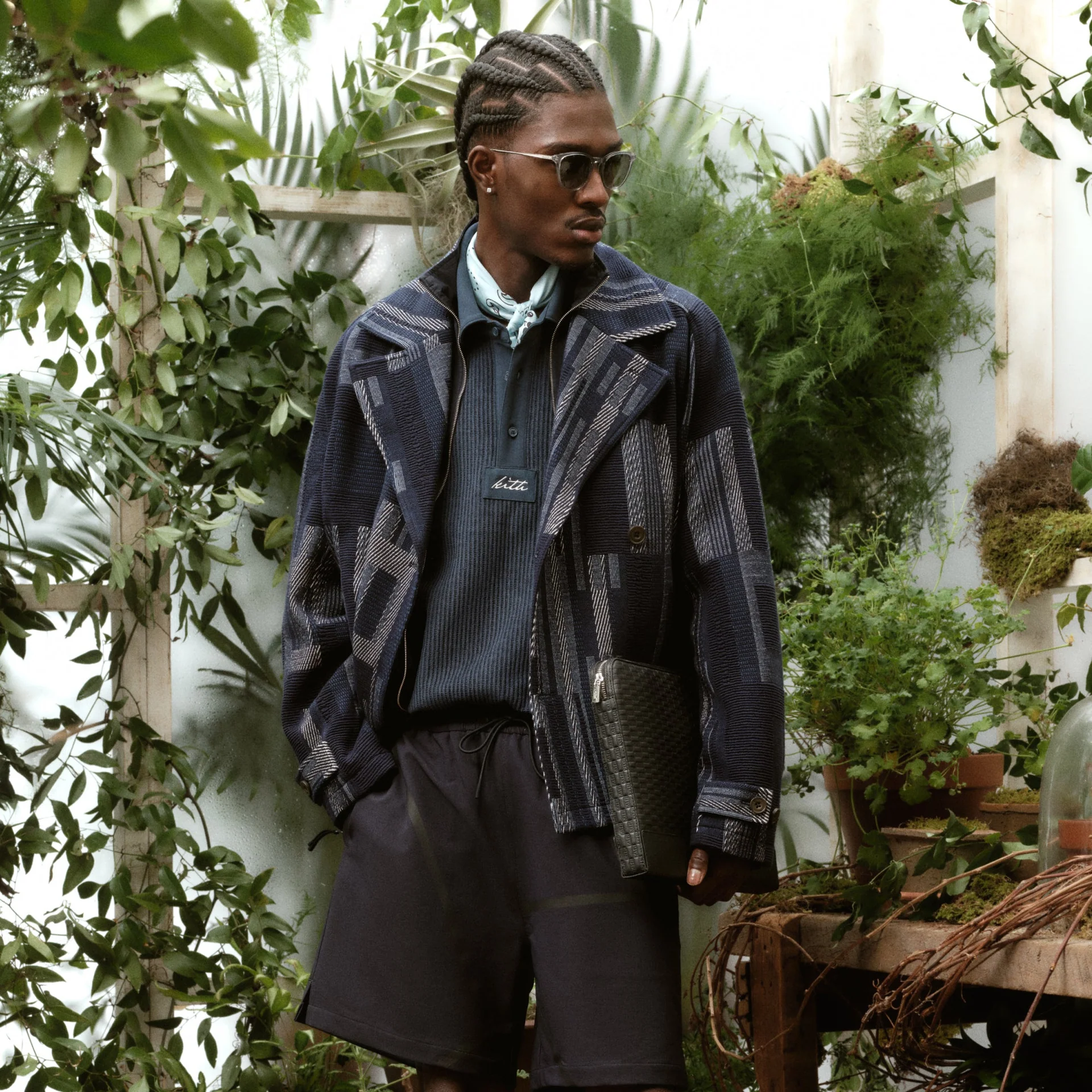
👉 Manufacturing stability becomes a competitive advantage over time.
Better Customer Retention
Consistent products improve:
- Repeat purchases
- Product reviews
- Brand reputation
👉 Product quality directly affects customer loyalty.
Where Cheap Factories Usually Struggle
1. Inconsistent Sizing
👉 Products vary between orders
2. Weak QC Systems
👉 More production defects
3. Poor Material Stability
👉 Fabrics and trims may change unexpectedly
4. Limited Customization
👉 Harder to build unique brand identity
5. Communication Problems
👉 Delays and misunderstandings become more common
👉 These issues often become more serious as brands scale.
Who Benefits Most From Long-Term Manufacturing Value
Fuki Apparel is especially suitable for:
1. Streetwear Brands
👉 Product identity and consistency matter heavily
2. DTC Fashion Brands
👉 Customer reviews directly affect growth
3. Startup Clothing Brands
👉 Need manageable MOQ with scalable systems
4. Growth-Stage Brands
👉 Require stable repeat production
Potential Limitations
Fuki Apparel may not be ideal if your brand:
- Only focuses on lowest possible pricing
- Requires ultra-mass fast-fashion production immediately
- Needs luxury couture-level craftsmanship
👉 The system is optimized for balanced modern apparel manufacturing.
FAQs
Is Fuki Apparel more expensive than cheap factories?
Usually yes, but it focuses more on long-term production value.
Why do cheap factories create more problems?
Because lower pricing often reduces QC, workflow structure, and production consistency.
Is long-term value more important than low price?
For most growing brands, yes.
Does better manufacturing improve profitability?
Often yes, because fewer defects and better consistency reduce operational costs.
Conclusion
So, does Fuki Apparel offer better long-term value than cheap factories?
👉 For many clothing brands, absolutely.
Because successful apparel manufacturing is not just about lowering production cost.
👉 It’s about creating stable systems that help brands grow with:
- Better consistency
- Lower production risk
- Stronger customer trust
- More scalable workflows
And over time, those advantages often become far more valuable than short-term savings.
Internal Reference
👉 Build your brand with a scalable production partner: FukiApparel
Follow us for real production insights and updates:
- TikTok: Fuki Streetwear
- YouTube: Fuki Apparel
- Instagram: Fuki Streetwear
