
Blank streetwear is faster and cheaper to launch, while cut-and-sew streetwear gives you full control over the fit, fabric, construction, and brand identity.
From my experience working with new streetwear brands, blanks are useful for testing graphics or early demand. Cut and sew becomes the better option when the garment itself—not only the artwork—is part of the brand.
For most startups, I recommend this approach:
- Use blanks when you need a quick, low-risk test.
- Use cut and sew when you want a custom oversized fit, heavyweight fabric, special wash, or recognizable product.
- Consider private-label factory styles when you need more customization than blanks but are not ready for full development.
Quick answer: Choose blank streetwear for speed, lower investment, and simple graphic products. Choose cut and sew for original silhouettes, custom materials, stronger branding, and long-term product differentiation.
Table of Contents
- Quick Comparison
- What Is Blank Streetwear?
- What Is Cut and Sew Streetwear?
- Key Differences
- Which Option Is Better for Your Brand?
- The Middle Option: Private Label
- Common Mistakes
- Useful Resources
- Frequently Asked Questions
- Final Recommendation
Quick Comparison
| Factor | Blank Streetwear | Cut and Sew Streetwear |
|---|---|---|
| Garment base | Pre-made garment | Made from fabric panels |
| Fit control | Limited | Full control |
| Fabric choice | Limited to available blanks | Custom composition, GSM, color, and finish |
| Development time | Short | Longer |
| Starting cost | Lower | Higher |
| MOQ | Usually lower | Usually higher |
| Printing | Easy to add | Planned as part of the product |
| Garment washing | Limited | More options |
| Labels and trims | Basic customization | Fully customizable |
| Brand differentiation | Mainly through graphics | Through fit, fabric, construction, and graphics |
| Best for | Testing ideas and simple launches | Building a distinctive streetwear brand |
My Simple Decision Rule
Choose blanks when:
- You are testing your first design.
- Your main value comes from the graphic.
- You need a fast launch.
- Your budget is limited.
- Standard sizing is acceptable.
Choose cut and sew when:
- You need a custom oversized silhouette.
- Fabric weight is important.
- You want garment dyeing or vintage washing.
- You need unique pockets, panels, seams, or trims.
- You want customers to recognize your product without seeing the logo.
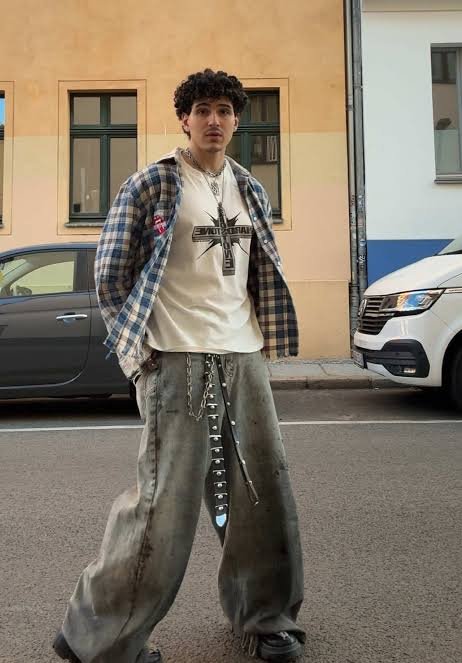
What Is Blank Streetwear?
Blank streetwear uses garments that have already been manufactured.
The brand purchases the blank and adds elements such as:
- Screen printing
- DTG printing
- Puff printing
- Embroidery
- Neck labels
- Hangtags
- Packaging
The shape, fabric, stitching, and basic construction have already been decided by the blank supplier.
Advantages of Using Blanks
Blanks are useful because they allow brands to:
- Launch quickly
- Order smaller quantities
- Avoid pattern-development costs
- Test several graphics
- Reduce early inventory risk
- Replace products more easily
They work especially well for:
- Event merchandise
- Artist merchandise
- Logo T-shirts
- Small online drops
- Market testing
- Print-on-demand businesses
Limitations of Blank Streetwear
The main problem is limited control.
You may not be able to change:
- Shoulder width
- Body length
- Sleeve shape
- Fabric GSM
- Cotton yarn
- Collar width
- Pocket construction
- Stitching details
- Base garment color
You may find a blank that is close to your idea, but it may not create the exact silhouette you want.
A customer may also recognize that several brands are using the same base garment with different graphics.
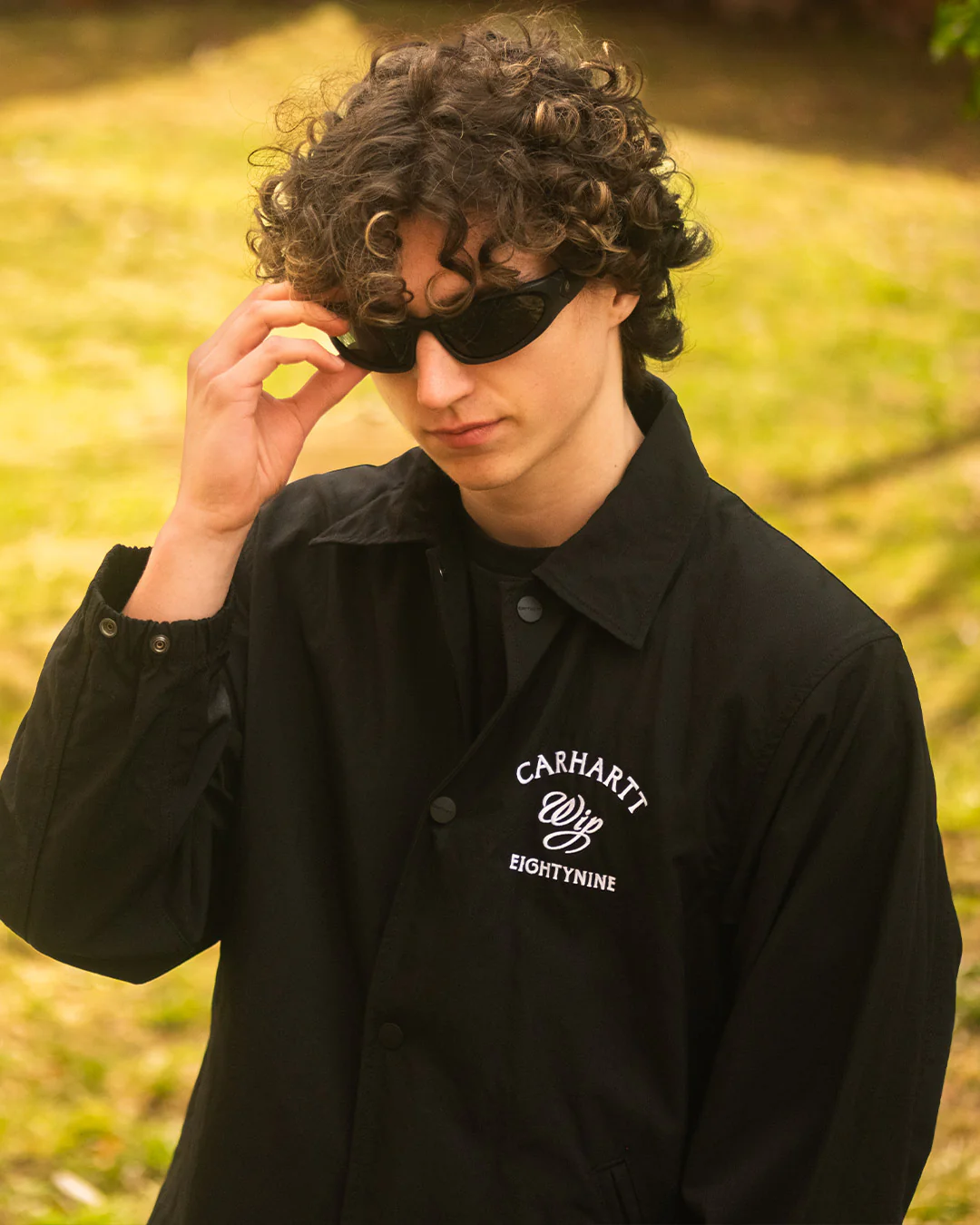
What Is Cut and Sew Streetwear?
Cut and sew means the garment is manufactured from fabric rather than purchased as a finished blank.
The normal process includes:
- Selecting or developing the fabric
- Creating a pattern
- Making a sample
- Correcting the fit
- Grading the sizes
- Cutting the fabric panels
- Printing or embroidering
- Sewing the garment
- Washing and finishing
- Adding labels and packaging
This method gives the brand much greater control.
What Can Be Customized?
With cut-and-sew production, you can normally customize:
- Fabric composition
- Fabric weight
- Color
- Garment measurements
- Oversized proportions
- Collar construction
- Sleeve shape
- Pockets
- Panels
- Zippers
- Embroidery
- Printing
- Wash effects
- Labels
- Packaging
Brands developing original products can review our Streetwear OEM and ODM Service.
Main Benefits
Cut and sew allows the product itself to become part of the brand identity.
For example, you can create:
- A short, wide 260 GSM T-shirt
- A 450 GSM hoodie with dropped shoulders
- A custom pigment-washed sweatshirt
- Cargo pants with original pocket construction
- A jacket using several fabrics and custom hardware
These details are difficult to achieve with standard blanks.
Main Limitations
Cut and sew normally requires:
- More development time
- Sample approval
- A higher starting investment
- A production MOQ
- Clearer technical information
- More quality control
At FuKi Apparel, custom streetwear production generally starts from 100 pieces per style, depending on the product and materials.
Key Differences
Fit and Silhouette
Blank garments use an existing size chart. You can choose a larger size, but sizing up does not always create a well-balanced oversized fit.
A true oversized pattern may require:
- Wider shoulders
- Lower armholes
- Larger sleeves
- Controlled body length
- A wider neckline
- Different sleeve angles
Cut and sew is the better choice when fit is one of the main selling points.
Explore custom proportions through our Oversized T-Shirt Manufacturer service.
Fabric
With blanks, you select from available products.
With cut and sew, you can specify:
- Fiber composition
- GSM
- Knitting structure
- Hand feel
- Surface texture
- Custom color
- Shrinkage requirements
This matters when you want a specific heavyweight or vintage result.
See available material development through Custom Fabrics for Streetwear.
Printing and Washing
Blanks work well for standard printing, but some may not perform well with garment washing or complex decoration.
Cut-and-sew production allows the factory to plan the correct order of operations.
For example:
- Print before sewing
- Embroider individual panels
- Wash after sewing
- Apply distressing after garment dyeing
This provides more freedom for complex streetwear products.
Learn more about puff print, screen print, embroidery, and other options through Custom Streetwear Printing Services.
Cost
Blank products normally have a lower development cost because the garment already exists.
Cut-and-sew costs may include:
- Pattern making
- Samples
- Fabric sourcing
- Size grading
- Custom dyeing
- Trim development
- Bulk production setup
However, cost should not be judged only by the factory price.
A higher-cost custom garment may support a higher retail price when it offers a better fit, fabric, and customer experience.
Production Time
Blank streetwear can often be decorated and launched quickly.
Cut and sew requires more stages, including fabric preparation, sampling, revision, cutting, sewing, and inspection.
Choose blanks when speed is the main priority. Choose cut and sew when originality is more important than the shortest possible timeline.
Which Option Is Better for Your Brand?
Use this decision table:
| Brand Situation | Better Option |
|---|---|
| First graphic test | Blank |
| Small event merchandise order | Blank |
| Print-on-demand store | Blank |
| Custom oversized T-shirt | Cut and sew |
| Heavyweight premium hoodie | Cut and sew |
| Vintage garment-washed collection | Cut and sew |
| Unique cargo pants or jacket | Cut and sew |
| Brand with proven sales | Cut and sew |
| Limited budget but some customization needed | Private label |
| Long-term streetwear brand building | Cut and sew |
Best Option for a New Brand
Blanks can be a smart first step when you have no sales data.
You can test:
- Artwork
- Price
- Audience response
- Color demand
- Marketing content
The SBA Market Research and Competitive Analysis Guide provides a useful framework for understanding customers before making a larger investment.
Best Option for a Growing Brand
Move toward cut and sew when customers begin asking for:
- Better fit
- Heavier fabric
- New silhouettes
- Higher quality
- More original products
At this stage, relying only on standard blanks may limit the brand’s growth.
The Middle Option: Private Label
Blank and cut and sew are not the only two choices.
Private-label production can sit between them.
A manufacturer may provide an existing garment block that allows you to change selected details, such as:
- Fabric color
- GSM
- Printing
- Embroidery
- Labels
- Packaging
- Small measurement adjustments
This option is useful when you want more control than a retail blank but do not need a completely original pattern.
The Shopify Guide to Opening a Clothing Store explains several production models, including print-on-demand, private label, and cut-and-sew manufacturing.
FuKi Apparel also provides Private Label Streetwear Solutions for brands that need flexible product development.
Common Mistakes
Choosing Cut and Sew Too Early
A fully custom six-style collection can create unnecessary risk when the brand has not tested demand.
Start with a focused product.
Staying With Blanks for Too Long
Blanks may eventually make it difficult to improve fit, fabric, and product identity.
Move to custom production when the garment becomes central to your brand.
Believing All Blanks Are Low Quality
Some blanks use good fabric and construction. The problem is not always quality—it is limited control and differentiation.
Believing Cut and Sew Is Automatically Better
A custom product can still fail if the pattern, fabric, sample, or quality control is poor.
Customization must be properly managed.
Comparing Prices Without Matching Specifications
Do not compare a basic blank T-shirt with a heavyweight garment-washed cut-and-sew T-shirt.
They are different products with different production requirements.
Forgetting Labels and Care Instructions
Custom garments also need correct fiber, country-of-origin, identity, and care information for the intended market.
Brands selling in the United States can review the FTC Clothing and Textile Guidance.
Useful Resources
- Shopify Guide to Opening a Clothing Store
- SBA Market Research and Competitive Analysis
- FTC Clothing and Textile Guidance
- FuKi Apparel Custom Streetwear Manufacturing Guide
Frequently Asked Questions
Is cut and sew better than using blanks?
Cut and sew is better for custom fit, fabric, construction, and long-term differentiation. Blanks are better for fast, low-risk graphic testing.
Are blank T-shirts good for a streetwear brand?
Yes, especially for early drops, merchandise, and simple graphic products. Their main limitation is that other brands can use the same garment.
Is print-on-demand cut and sew?
Most print-on-demand clothing uses pre-made blanks. Some specialized suppliers offer on-demand cut-and-sew products, but this is a different production model.
Does cut and sew require a tech pack?
A complete tech pack is strongly recommended. At minimum, provide measurements, fabric requirements, artwork, construction details, labels, colors, and quantities.
Is private label the same as cut and sew?
Not always. Private label may use an existing factory design with your labels and selected changes. Full cut and sew normally begins with your own specifications and pattern.
When should a brand move from blanks to cut and sew?
Move when fit, fabric, washing, and construction become important to your product identity—or when customers expect something more original than a decorated blank.
What is the MOQ for cut-and-sew streetwear?
It depends on the manufacturer, fabric, color, and construction. FuKi Apparel generally starts from 100 pieces per style for custom streetwear projects.
Final Recommendation
Choose blank streetwear when you need:
- A quick launch
- Lower initial risk
- Simple graphic products
- Small test quantities
- Standard fits
Choose cut and sew when you need:
- Original silhouettes
- Custom fabric and GSM
- Garment washing
- Special construction
- Stronger product differentiation
- Long-term brand development
My final recommendation is simple:
Use blanks to test the market, but use cut and sew when you are ready to build a product that customers can recognize by its fit, fabric, and construction—not only its logo.
FuKi Apparel supports custom patterns, fabric sourcing, sampling, printing, embroidery, garment washing, private labels, packaging, and bulk streetwear production.
Visit FuKi Apparel to discuss which production model is right for your next collection.
