
Table of Contents
- Quick Answer
- What Is a Custom Streetwear Manufacturer?
- Why Many Streetwear Brands Choose Custom Manufacturing
- Custom Manufacturing vs Private Label Production
- Key Services a Custom Streetwear Manufacturer Should Offer
- How the Custom Streetwear Manufacturing Process Works
- How to Evaluate a Streetwear Manufacturer
- Cost Factors in Custom Streetwear Production
- Common Mistakes Brands Make When Choosing Manufacturers
- Streetwear Manufacturer Selection Checklist
- FAQ
- Conclusion
- Internal Reference
Quick Answer
A custom streetwear manufacturer produces clothing based entirely on a brand’s original designs, materials, and specifications.
Unlike private label factories that offer pre-made garments, custom manufacturers help brands create unique products by providing:
- pattern development
- fabric sourcing
- sampling
- bulk production
- branding customization
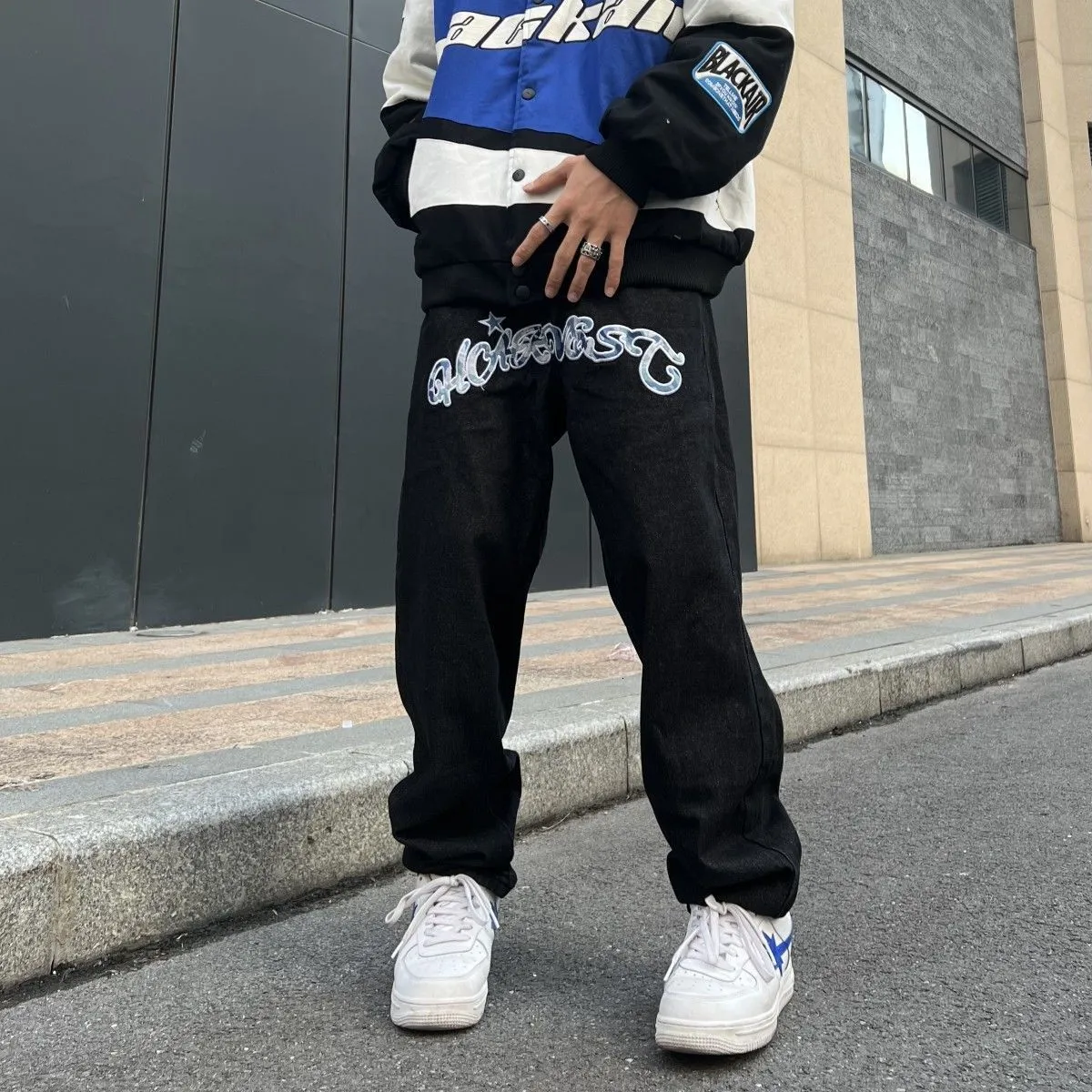
From my experience observing apparel production workflows, brands that want long-term differentiation usually move toward custom manufacturing, because it allows complete control over fit, materials, and design details.
What Is a Custom Streetwear Manufacturer?
A custom streetwear manufacturer is a clothing factory that produces garments from scratch.
Instead of modifying existing templates, custom production includes:
- unique garment patterns
- custom fabric selection
- specialized construction techniques
- branded trims and labels
Typical custom streetwear products include:
- oversized hoodies
- heavyweight graphic T-shirts
- custom cargo pants
- utility jackets
Fashion industry publications like
Business of Fashion
often discuss how independent fashion brands rely on specialized manufacturers to develop original products.
Why Many Streetwear Brands Choose Custom Manufacturing
Streetwear is heavily driven by identity and originality.
Custom production allows brands to develop:
- signature silhouettes
- premium fabric combinations
- distinctive garment details
For example, brands may customize:
- fabric weight
- garment fit
- wash treatments
- embroidery or screen printing
Streetwear media platforms such as
Hypebeast
frequently highlight brands that stand out because of unique garment construction and materials.
Custom Manufacturing vs Private Label Production
Understanding the difference between production models helps brands choose the right approach.
| Feature | Custom Manufacturing | Private Label |
|---|---|---|
| Product uniqueness | Very high | Limited |
| Startup cost | Higher | Lower |
| Development time | Longer | Faster |
| Design flexibility | Maximum | Moderate |
| Ideal for | Brand differentiation | Testing new brands |
Both approaches can be effective depending on business goals.
Key Services a Custom Streetwear Manufacturer Should Offer
A professional streetwear manufacturer typically provides several services.
Product Development
Factories help translate design ideas into production-ready garments.
Fabric Sourcing
Manufacturers often assist brands in selecting materials such as:
- heavyweight cotton
- fleece fabrics
- technical blends
Sampling
Samples allow brands to test:
- garment fit
- construction quality
- fabric performance
Bulk Production
After sample approval, the factory begins mass manufacturing.
Branding & Customization
Customization options may include:
- woven labels
- embroidery
- screen printing
- custom packaging
Industry publications such as
Highsnobiety
often highlight how product details and materials shape streetwear brand identity.
How the Custom Streetwear Manufacturing Process Works
The typical workflow follows several stages.
1. Design Development
Brands prepare sketches or design references.
2. Tech Pack Creation
A tech pack includes:
- measurements
- fabric specifications
- stitching instructions
- logo placement
3. Sampling
Factories produce prototype garments for review.
4. Bulk Production
Once samples are approved, factories begin large-scale production.
5. Quality Inspection
Factories inspect garments to ensure consistency and quality.
6. Packaging & Shipping
Finished products are packed and delivered to the brand.
How to Evaluate a Streetwear Manufacturer
Before choosing a factory, brands should evaluate several factors.
Experience with Streetwear
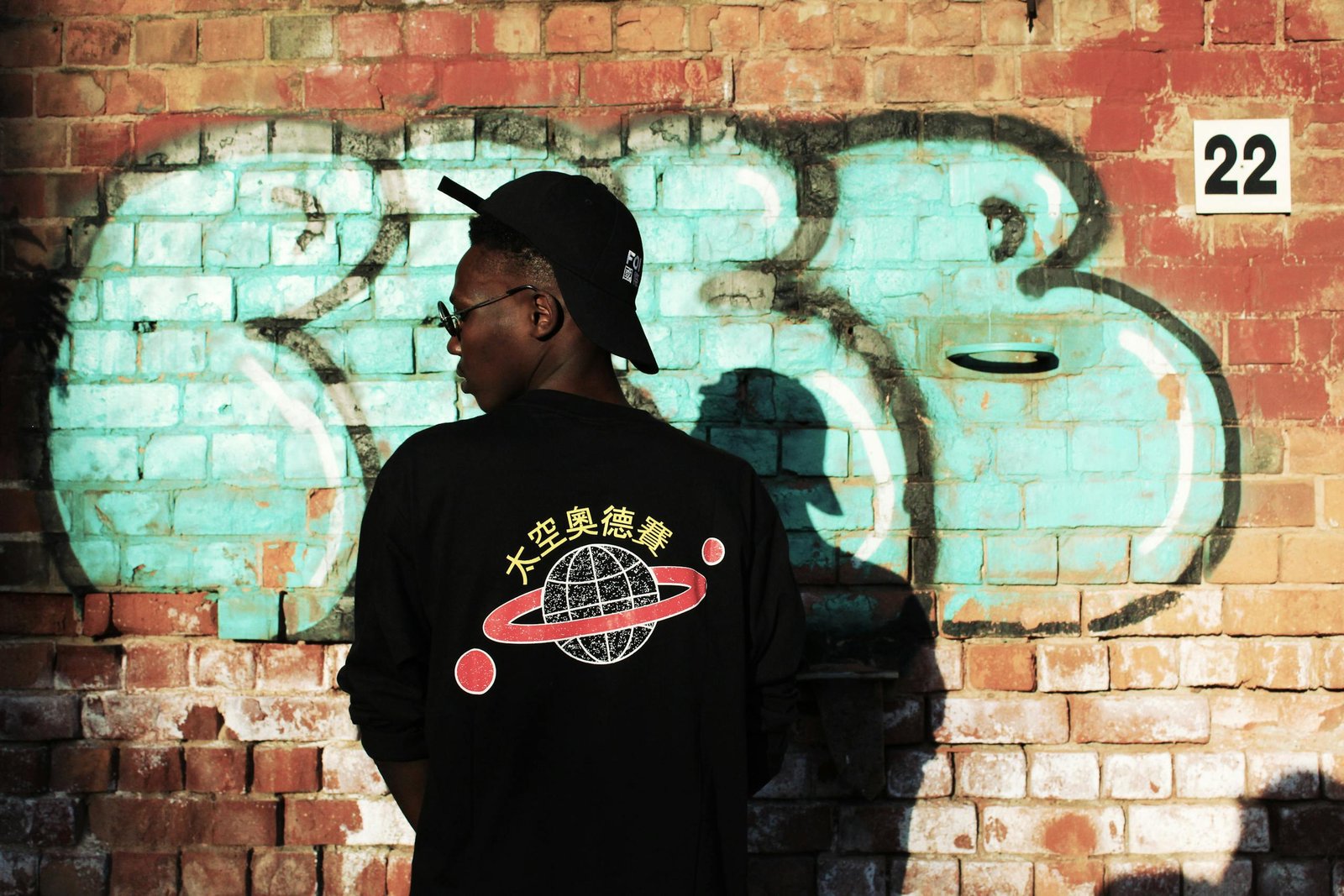
Factories familiar with streetwear understand oversized silhouettes and heavyweight fabrics.
Minimum Order Quantity (MOQ)
Some manufacturers require large production runs.
Startup brands often look for factories offering flexible MOQs.
Communication
Clear communication during sampling and production prevents misunderstandings.
Production Capability
Factories should demonstrate experience with:
- embroidery
- screen printing
- complex garment construction
Cost Factors in Custom Streetwear Production
Several factors influence production cost.
| Cost Factor | Impact |
|---|---|
| fabric quality | high impact |
| garment complexity | moderate impact |
| order quantity | affects unit cost |
| customization details | adds production steps |
Custom garments often require higher upfront investment than private label production.
Common Mistakes Brands Make When Choosing Manufacturers
Many streetwear startups make avoidable mistakes.
Choosing the Cheapest Factory
Low prices often lead to inconsistent product quality.
Skipping Sampling
Skipping samples increases the risk of production errors.
Ignoring Fabric Quality
Material selection strongly affects garment durability and customer perception.
Avoiding these mistakes helps brands build stronger production partnerships.
Streetwear Manufacturer Selection Checklist
Before confirming a manufacturer, verify the following.
| Requirement | Verified |
|---|---|
| samples approved | ✓ |
| MOQ fits your budget | ✓ |
| fabric quality confirmed | ✓ |
| production timeline clear | ✓ |
| communication reliable | ✓ |
A structured checklist helps brands avoid production issues.
FAQ
What is a custom streetwear manufacturer?
A factory that produces clothing based on original designs rather than existing templates.
What is the difference between OEM and private label?
OEM production creates custom garments, while private label modifies existing designs.
What MOQ do custom manufacturers require?
Many factories require between 50–200 units per design, depending on production complexity.
Is custom manufacturing suitable for startup brands?
Yes, but it usually requires higher upfront investment compared with private label production.
Conclusion
Custom streetwear manufacturing allows brands to create unique products with full design control.
By working with experienced manufacturers and carefully managing sampling and production, clothing brands can develop garments that reflect their identity and meet quality expectations.
Understanding how custom production works helps brands make better decisions when building their collections.
Internal Reference
If you’re looking for reliable custom streetwear manufacturing support, explore:
👉 Fuki Apparel – Custom Streetwear Manufacturing Solutions
Experienced manufacturing partners can help turn creative streetwear concepts into high-quality apparel collections.
