
Choosing the right clothing supplier is one of the most important decisions when building a fashion brand.
From my experience working with apparel startups and OEM manufacturers, most production problems don’t happen during manufacturing—they happen before placing the order, when brands fail to properly evaluate suppliers.
A supplier might look good on the surface, but without a proper checklist, you risk delays, poor quality, and unexpected costs.
This guide gives you a professional sourcing checklist used by real fashion brands before they confirm any order.
Table of Contents
- Quick Answer
- Why Supplier Evaluation Matters
- Clothing Supplier Checklist
- Technical Capability Check
- Communication & Reliability
- Pricing Transparency Check
- Sample Evaluation Checklist
- Red Flags to Avoid
- Internal & External Resources
- FAQ
- Final Thoughts
Quick Answer
Before ordering from a clothing supplier, you must check:
- Product quality consistency
- Sampling ability
- Fabric sourcing capability
- MOQ requirements
- Pricing transparency
- Communication speed
- Production capacity
- Quality control system
👉 In simple terms: a good supplier reduces your risk, not increases it.
Why Supplier Evaluation Matters
From my experience, most clothing production failures happen because brands rush supplier selection.
Common issues include:
- Wrong fabric quality
- Delayed production
- Miscommunication
- Poor stitching quality
- Unexpected costs
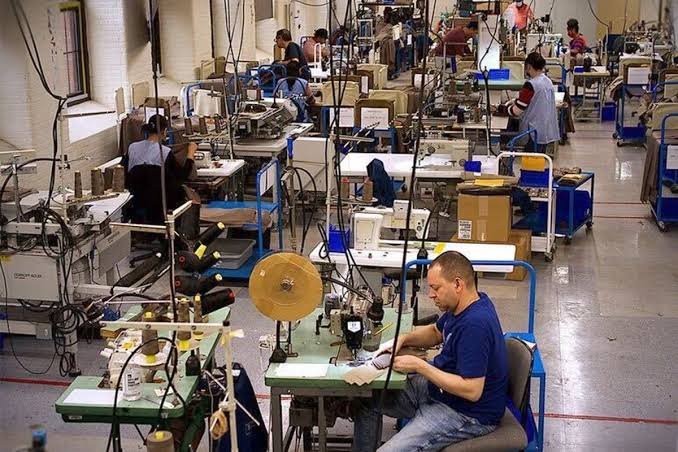
A proper evaluation process prevents these problems early.
Clothing Supplier Checklist
1. Company Background
Check:
- Years of experience
- Factory vs trading company
- Specialization (streetwear, sportswear, etc.)
- Export experience
2. Product Capability
Ask if they can produce:
- Hoodies
- T-shirts
- Pants
- Jackets
- Custom fabrics
If they “do everything,” be cautious—specialization matters.
3. Sampling Process
A professional supplier should:
- Provide detailed samples
- Allow revisions
- Explain fabric options
- Offer clear timelines
Technical Capability Check
A strong supplier should understand:
- Pattern making
- Fabric shrinkage control
- Stitch density
- Printing methods
- Embroidery quality
From my experience, technical knowledge is one of the clearest signs of supplier quality.
Communication & Reliability
Good suppliers communicate:
- Clearly
- Quickly
- Consistently
Warning Signs:
❌ Slow replies
❌ Vague answers
❌ No production explanation
❌ Avoiding technical questions
Pricing Transparency Check
A reliable supplier should clearly explain:
- Fabric cost
- Labor cost
- Printing cost
- MOQ impact
- Sample fees
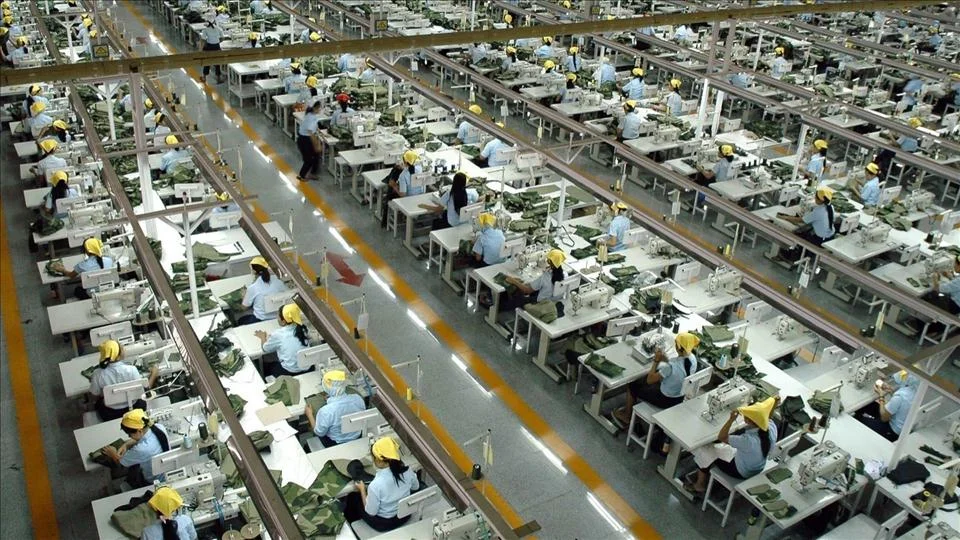
Hidden pricing usually leads to future disputes.
Sample Evaluation Checklist
When reviewing samples, check:
| Category | What to Look For |
|---|---|
| Fabric | Texture, weight, durability |
| Stitching | Straight, clean seams |
| Fit | Accurate measurements |
| Print/Embroidery | Placement & durability |
| Finishing | Labels, trims, packaging |
Red Flags to Avoid
❌ No sample system
❌ Extremely low pricing
❌ No clear factory information
❌ Inconsistent communication
❌ No QC explanation
❌ Refusal to share production process
From my experience, even one of these red flags should be taken seriously.
Internal & External Resources
Internal Resources
Industry Resources
FAQ
What should I look for in a clothing supplier?
You should check quality, communication, sampling ability, pricing transparency, and production capacity.
How do I know if a supplier is reliable?
Reliable suppliers provide clear samples, transparent pricing, and consistent communication.
Should I always choose the cheapest supplier?
No. Cheapest options often come with hidden risks in quality and delivery.
How many suppliers should I compare?
At least 3–5 suppliers to understand market pricing and capability differences.
What is the most important factor when choosing a supplier?
Consistency in quality and communication is more important than price alone.
Final Thoughts
From my experience, choosing a clothing supplier is not about finding the cheapest option—it’s about finding a reliable long-term partner.
A strong supplier helps you grow, maintain quality, and scale production smoothly.
If you're building a streetwear or private label brand, working with an experienced OEM partner like:
can help you reduce sourcing risks, improve product consistency, and streamline your manufacturing process.
