
Table of Contents
- Quick Answer
- Why Fabric Choice Matters More Than Ever
- 1. Heavyweight Cotton (Streetwear Staple)
- 2. French Terry & Brushed Fleece
- 3. Organic & Sustainable Cotton
- 4. Technical Performance Fabrics
- 5. Nylon & Utility Fabrics
- Fabric Comparison Table
- How to Choose the Right Fabric for Your Brand
- Fabric Weight Guide for Streetwear Products
- Common Fabric Mistakes New Brands Make
- Streetwear Fabric Selection Checklist
- FAQ
- Conclusion
- Internal Reference
Quick Answer
The best fabrics for streetwear brands in 2026 typically include:
- heavyweight cotton
- fleece and French terry
- organic cotton
- technical performance fabrics
- nylon utility fabrics
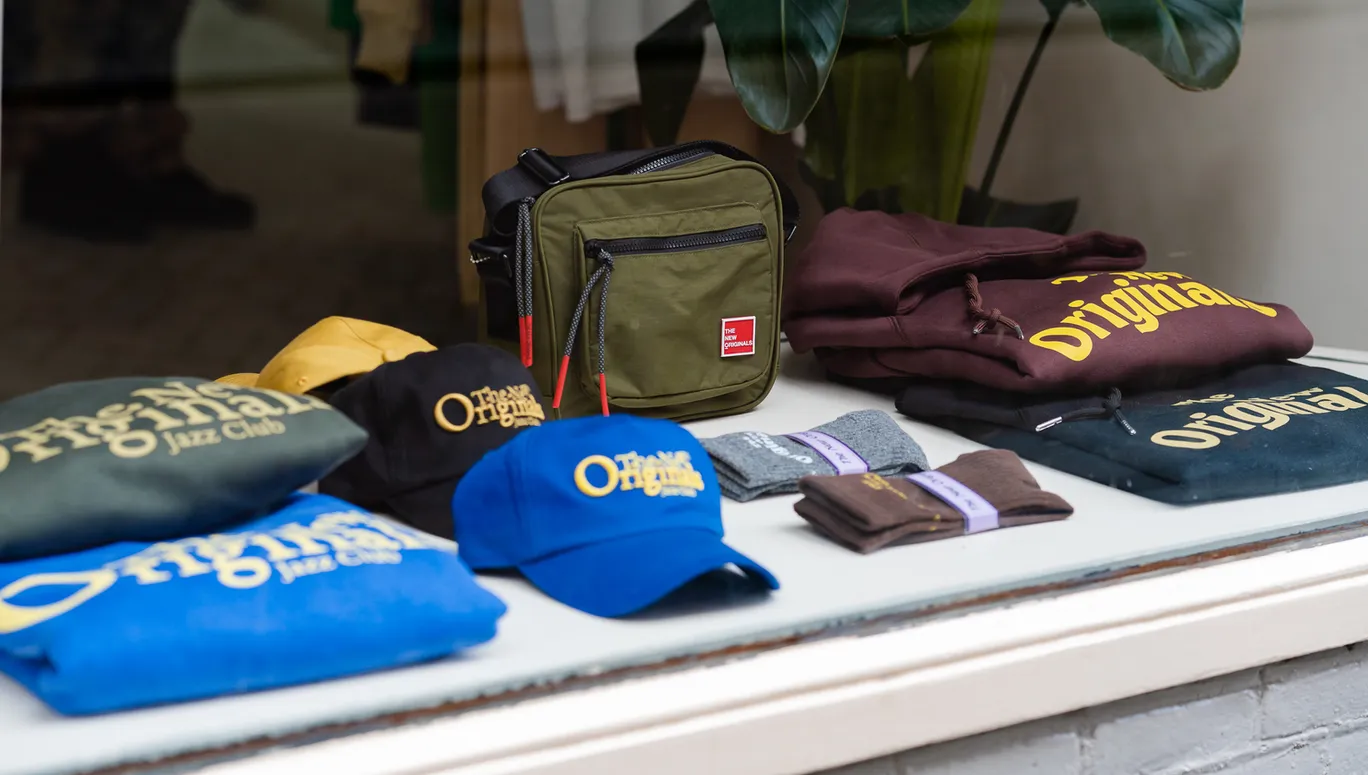
From my experience observing how modern streetwear collections are built, successful brands prioritize fabric weight, durability, and texture. Premium materials often make garments feel more valuable and help brands stand out in a crowded market.
Why Fabric Choice Matters More Than Ever
Fabric selection plays a major role in streetwear because it directly affects:
- garment comfort
- product durability
- brand perception
- retail pricing
Streetwear consumers often judge quality based on fabric weight and hand feel.
Fashion industry resources like Business of Fashion – Textile Industry Insights frequently discuss how fabric innovation is shaping modern apparel development.
Choosing the right fabric can transform a simple design into a premium product.
1. Heavyweight Cotton (Streetwear Staple)
Heavyweight cotton remains the most common fabric in streetwear.
It is widely used for:
- graphic T-shirts
- oversized tees
- long sleeve shirts
Why Heavy Cotton Works
Heavy cotton offers:
- durability
- structure for oversized silhouettes
- premium feel
Many streetwear brands prefer cotton fabrics between 220–280 GSM for T-shirts.
Streetwear platforms like Hypebeast – Streetwear Culture often highlight heavyweight garments as a defining feature of modern streetwear.
2. French Terry & Brushed Fleece
Fleece fabrics are essential for hoodies and sweatshirts.
Two common fleece types include:
French Terry
- lightweight fleece
- looped interior texture
- ideal for transitional seasons
Brushed Fleece
- thicker material
- soft interior
- ideal for hoodies and sweatpants

Fleece fabrics between 350–450 GSM are common in premium streetwear hoodies.
3. Organic & Sustainable Cotton
Sustainability has become a major factor in fashion production.
Many modern streetwear brands now use:
- organic cotton
- recycled fibers
- low-impact dye processes
Benefits of Organic Cotton Include
- environmentally friendly production
- softer fabric feel
- stronger brand positioning
Industry publications like Highsnobiety – Sustainable Fashion frequently discuss the growing importance of sustainable fabrics in fashion.
4. Technical Performance Fabrics
Technical fabrics are becoming more common in streetwear collections.
These fabrics often combine materials such as:
- polyester
- elastane
- nylon blends
They are used in garments like:
- techwear jackets
- performance hoodies
- hybrid sportswear pieces
Technical fabrics provide benefits such as:
- moisture control
- stretch flexibility
- durability
5. Nylon & Utility Fabrics
Utility-inspired streetwear often uses nylon fabrics.
These materials are ideal for:
- cargo pants
- windbreakers
- utility jackets
Advantages of Nylon Fabrics Include
- lightweight durability
- water resistance
- strong structure
This type of fabric is especially popular in techwear and urban outdoor fashion.
Fabric Comparison Table
| Fabric Type | Best For | Key Benefits |
|---|---|---|
| Heavyweight cotton | T-shirts | Structure and durability |
| French terry | Lightweight hoodies | Breathable and comfortable |
| Brushed fleece | Sweatshirts | Warm and soft |
| Technical blends | Performance garments | Stretch and durability |
| Nylon fabrics | Utility clothing | Lightweight and resistant |
Each material plays a different role in modern streetwear collections.
How to Choose the Right Fabric for Your Brand
Choosing the right fabric depends on several factors.
Product Category
Different garments require different fabrics.
Example:
- T-shirts → heavyweight cotton
- hoodies → fleece
- jackets → nylon or technical fabrics
Brand Positioning
Premium streetwear brands often choose heavier and higher-quality fabrics to improve perceived value.
Climate and Season
Seasonal collections require different fabric weights.
Example:
- lighter cotton for summer
- fleece fabrics for winter collections
Fabric Weight Guide for Streetwear Products
Fabric weight is usually measured in GSM.
Typical streetwear fabric weights include:
| Product | Typical GSM |
|---|---|
| T-shirts | 200–280 GSM |
| Hoodies | 350–450 GSM |
| Sweatshirts | 320–420 GSM |
| Jackets | varies depending on fabric |
Heavier fabrics often provide better durability and structure.
Common Fabric Mistakes New Brands Make
Many new streetwear brands make avoidable fabric mistakes.
Choosing Fabric Based Only on Price
Cheap materials may reduce product quality.
Using Lightweight Fabrics
Thin fabrics often feel less premium.
Ignoring Fabric Shrinkage
Some fabrics shrink after washing if not properly treated.
Avoiding these mistakes helps maintain product quality.
Streetwear Fabric Selection Checklist
Before selecting fabrics, brands should evaluate several factors.
| Factor | Importance |
|---|---|
| Fabric weight | Critical |
| Comfort and softness | Essential |
| Durability | Highly recommended |
| Print compatibility | Important |
| Sustainability | Increasingly valuable |
Using this checklist helps brands choose fabrics more strategically.
FAQ
What is the most common fabric in streetwear?
Heavyweight cotton is the most widely used fabric for streetwear T-shirts.
Why are heavyweight hoodies popular?
Heavier fleece fabrics provide better warmth, durability, and structure.
Are technical fabrics becoming popular in streetwear?
Yes. Techwear trends have increased demand for performance fabrics.
Should new brands invest in premium fabrics?
Higher-quality materials often improve brand perception and customer satisfaction.
Conclusion
Fabric selection plays a critical role in modern streetwear product development.
The best fabrics for streetwear brands in 2026 include:
- heavyweight cotton
- fleece fabrics
- organic cotton
- technical performance materials
- nylon utility fabrics
Understanding these materials helps brands create garments that feel premium, durable, and aligned with modern streetwear trends.
Internal Reference
If you're developing streetwear products and need professional production support, explore:
👉 Fuki Apparel – Streetwear Manufacturing Solutions
Experienced manufacturing partners can help transform streetwear concepts into high-quality apparel collections.