
Comfort has become one of the biggest selling points in modern fashion. As more consumers work from home, travel frequently, and prioritize everyday comfort, loungewear has evolved from basic homewear into a premium lifestyle category.
From my experience working with clothing brands and OEM manufacturers, the success of a loungewear collection often comes down to one decision—choosing the right fabric.
In 2026, brands are moving beyond ordinary cotton. They're selecting fabrics that combine softness, durability, breathability, and sustainability while maintaining a premium look.
This guide explores the best fabric choices for modern loungewear brands.
Table of Contents
- Quick Answer
- What Makes a Great Loungewear Fabric?
- Top Fabric Choices for 2026
- Fabric Comparison
- How Brands Select the Right Fabric
- Common Fabric Mistakes
- Resources
- FAQ
- Final Thoughts
Quick Answer
The best fabrics for loungewear in 2026 include:
- Cotton French Terry
- Cotton Fleece
- Modal
- Bamboo Viscose
- Cotton-Spandex Blends
- Organic Cotton
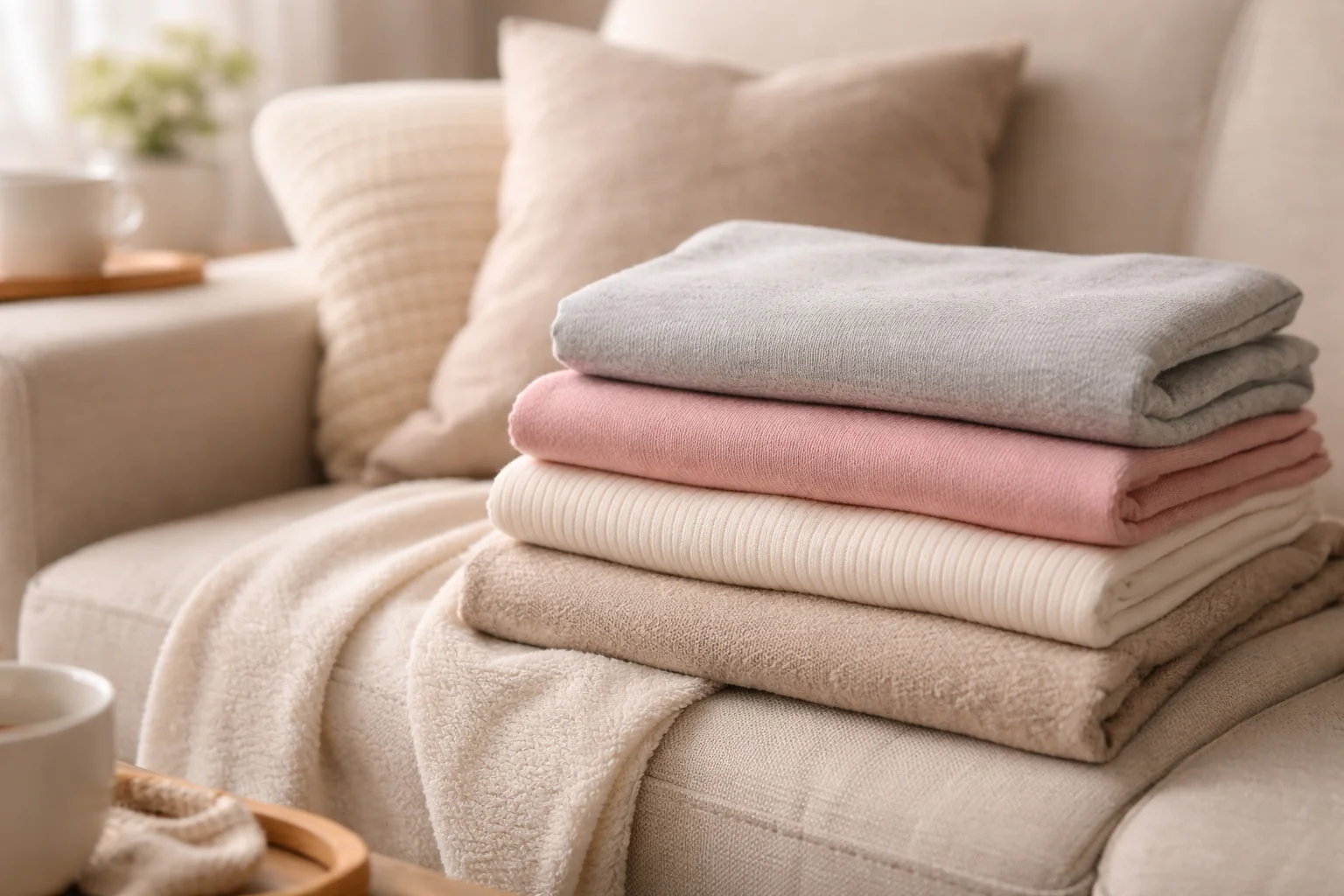
Each fabric serves different customer needs, but softness, durability, and breathability remain the most important qualities.
What Makes a Great Loungewear Fabric?
Premium loungewear should feel comfortable from the first wear while maintaining its appearance after repeated washing.
The ideal fabric offers:
- Soft hand feel
- Breathability
- Stretch and recovery
- Shape retention
- Easy care
- Long-lasting durability
From my experience, brands that focus on comfort first tend to achieve stronger customer loyalty.
Top Fabric Choices for 2026
1. Cotton French Terry
French terry continues to be one of the most popular fabrics for premium loungewear.
Advantages
- Lightweight
- Breathable
- Comfortable year-round
- Premium appearance
Best for:
- Hoodies
- Sweatshirts
- Joggers
- Matching lounge sets
2. Cotton Fleece
For colder climates, brushed fleece remains the preferred option.
Benefits include:
- Excellent warmth
- Soft brushed interior
- Premium feel
- Luxury appearance
Perfect for winter collections.
3. Modal
Modal has become increasingly popular because of its silky softness.
Advantages:
- Smooth texture
- Excellent drape
- Moisture management
- Wrinkle resistance
Ideal for premium lounge tops and relaxed-fit pants.
4. Bamboo Viscose
Many sustainable brands are choosing bamboo blends.
Benefits include:
- Naturally soft
- Breathable
- Moisture-wicking
- Eco-conscious positioning
5. Cotton-Spandex Blend
Adding a small amount of elastane improves flexibility.
Typical blend:
- 95% Cotton
- 5% Spandex
Great for fitted loungewear and everyday essentials.
6. Organic Cotton
Organic cotton remains a favorite for brands targeting environmentally conscious consumers.
It offers:
- Natural comfort
- Premium branding
- Sustainable appeal
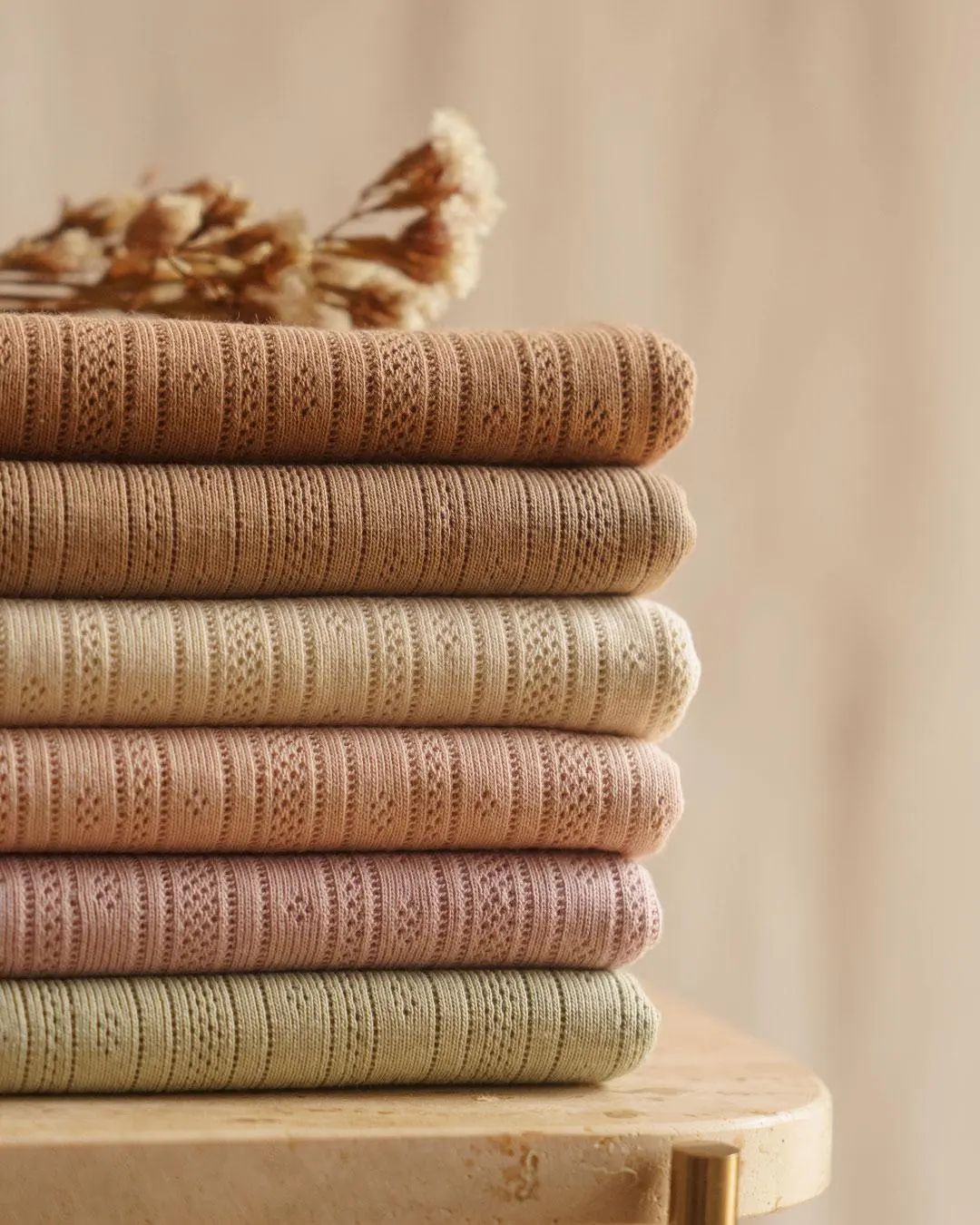
Fabric Comparison
| Fabric | Softness | Breathability | Stretch | Best For |
|---|---|---|---|---|
| French Terry | ⭐⭐⭐⭐ | ⭐⭐⭐⭐⭐ | ⭐⭐⭐ | Lounge Sets |
| Cotton Fleece | ⭐⭐⭐⭐⭐ | ⭐⭐⭐ | ⭐⭐⭐ | Winter Hoodies |
| Modal | ⭐⭐⭐⭐⭐ | ⭐⭐⭐⭐ | ⭐⭐⭐⭐ | Premium Basics |
| Bamboo Viscose | ⭐⭐⭐⭐⭐ | ⭐⭐⭐⭐⭐ | ⭐⭐⭐ | Eco Collections |
| Cotton-Spandex | ⭐⭐⭐⭐ | ⭐⭐⭐⭐ | ⭐⭐⭐⭐⭐ | Everyday Loungewear |
| Organic Cotton | ⭐⭐⭐⭐ | ⭐⭐⭐⭐ | ⭐⭐⭐ | Sustainable Brands |
How Brands Select the Right Fabric
From my experience, successful brands rarely choose fabrics based only on cost.
Instead, they consider three important factors.
Customer Lifestyle
Ask yourself:
- Is the collection for home?
- Travel?
- Everyday casual wear?
- Luxury streetwear?
Different lifestyles require different fabric performance.
Climate
Warm-weather collections often perform better with:
- French Terry
- Modal
- Bamboo blends
Cold-weather collections benefit from:
- Heavyweight fleece
- Brushed cotton
Brand Positioning
Premium brands often invest more in fabric quality than complicated garment construction.
Customers immediately notice how the fabric feels.
Working with an experienced clothing manufacturer can simplify fabric selection.
For example, Fuki Apparel helps brands develop premium loungewear collections by recommending fabrics that balance comfort, durability, and manufacturing efficiency.
Common Fabric Mistakes
Many new brands make avoidable sourcing mistakes.
Choosing Fabric Only by Price
The cheapest fabric often leads to:
- Faster wear
- Lower customer satisfaction
- More returns
Ignoring Fabric Testing
Always evaluate:
- Shrinkage
- Color fastness
- Pilling
- Stretch recovery
before approving bulk production.
Following Trends Without Testing
Not every trending fabric suits every brand.
Always match fabric performance to your customers' expectations.
Resources
Internal Resources
External Resources
- https://bettercotton.org/
- https://www.oeko-tex.com/
- https://textileexchange.org/
- https://www.businessoffashion.com/
FAQ
What is the softest fabric for loungewear?
Modal and bamboo viscose are among the softest options, while brushed cotton fleece also provides exceptional comfort.
Is French terry better than fleece?
French terry is lighter and more breathable, while fleece offers greater warmth and a softer interior.
Which fabric is best for premium lounge sets?
French terry, modal, and organic cotton are excellent choices for premium collections.
Are sustainable fabrics becoming more popular?
Yes. Organic cotton and bamboo blends continue to gain popularity as consumers look for environmentally responsible products.
Can startups use premium fabrics?
Absolutely. Many OEM manufacturers now offer flexible MOQs, making premium fabrics accessible for smaller clothing brands.
Final Thoughts
From my experience, fabric is the foundation of every successful loungewear collection.
The brands leading the market in 2026 aren't simply choosing trendy materials—they're selecting fabrics that deliver lasting comfort, premium quality, and everyday wearability.
Whether you prefer French terry, fleece, modal, or organic cotton, the best choice depends on your customers and your brand positioning.
If you're planning a private label loungewear collection, partnering with an experienced OEM manufacturer like Fuki Apparel can help you choose the ideal fabric and develop products that combine comfort, quality, and long-term value.
