
Finding the right clothing manufacturer is one of the most important decisions for any small fashion brand.
In my experience working with startups and early-stage streetwear brands, the manufacturer you choose will directly affect your product quality, pricing, delivery speed, and even how your brand is perceived in the market.
China remains one of the strongest manufacturing hubs in the world for small businesses—but not all factories are suitable for beginners.
This guide breaks down the best types of clothing manufacturers in China for small brands in 2026, how to choose the right one, and what mistakes to avoid.
Table of Contents
- Quick Answer
- Why China Is Still the Best Option
- What Small Businesses Should Look For
- Manufacturer Type #1: Private Label Factories
- Manufacturer Type #2: Cut & Sew Factories
- Manufacturer Type #3: OEM Streetwear Factories
- Manufacturer Type #4: Print-On-Demand Suppliers
- Comparison Table
- How to Choose the Right Manufacturer
- Common Mistakes Beginners Make
- FAQ
- Final Thoughts
Quick Answer
The best clothing manufacturers in China for small businesses in 2026 include:
- Private label manufacturers (best for beginners)
- OEM streetwear factories (best for scaling brands)
- Cut & sew factories (best for premium brands)
- Print-on-demand suppliers (best for low-risk testing)
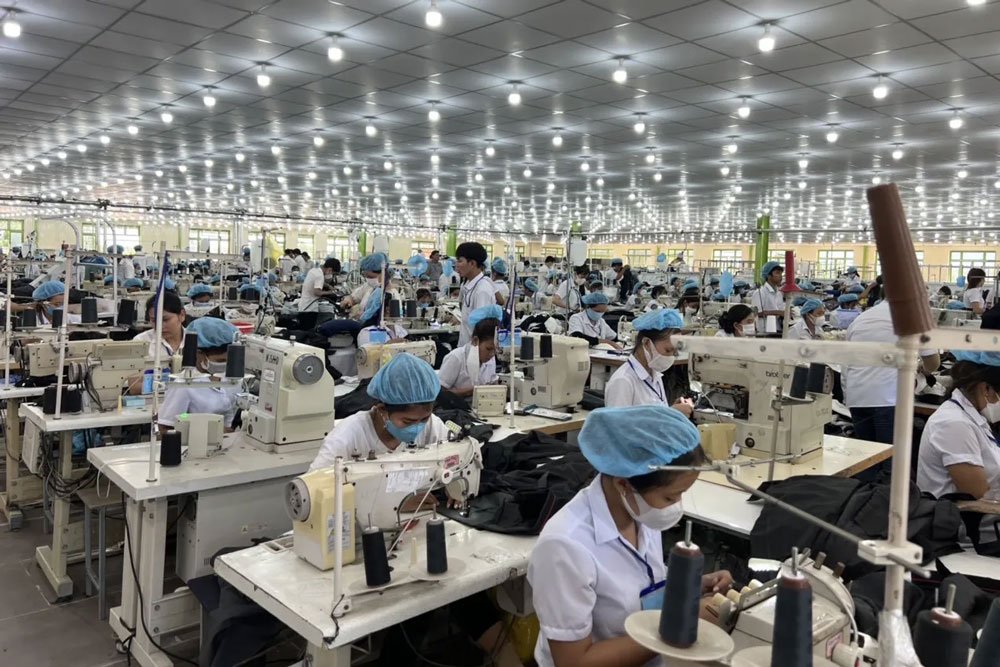
If you are just starting out, private label manufacturers are usually the safest and fastest option.
Why China Is Still the Best Option
Despite global competition, China remains the leading manufacturing hub for small fashion brands.
Key Advantages
- Lower production costs
- Strong supply chain ecosystem
- Advanced garment technology
- Wide range of fabric options
- Flexible MOQ (minimum order quantity)
For startups, this combination is hard to beat.
What Small Businesses Should Look For
Not all factories are suitable for small brands.
Key Selection Criteria
| Factor | Why It Matters |
|---|---|
| MOQ flexibility | Reduces startup risk |
| Sampling speed | Helps faster testing |
| Communication | Avoids production errors |
| Fabric sourcing | Impacts product quality |
| Customization options | Defines brand identity |
From my experience, communication is often more important than price.
Manufacturer Type #1: Private Label Factories
Private label factories are the most beginner-friendly option.
They produce ready-made garments that can be customized with your brand.
Best For
- New streetwear brands
- Influencer brands
- E-commerce stores
Advantages
✔ Low MOQ
✔ Fast production
✔ Lower risk
✔ Easier process
Disadvantages
- Less design flexibility
- Limited uniqueness compared to full cut & sew
👉 Learn more:
Fuki Apparel
Manufacturer Type #2: Cut & Sew Factories
Cut & sew factories build garments from scratch based on your designs.
Best For
- Premium brands
- Established businesses
- High-end streetwear labels
Advantages
✔ Full customization
✔ Unique silhouettes
✔ Strong brand identity
Disadvantages
- Higher cost
- Longer lead times
- Higher MOQ
Manufacturer Type #3: OEM Streetwear Factories
OEM factories offer a balance between customization and scalability.
What They Offer
- Custom fabrics
- Pattern development
- Branding options
- Production scaling
Best For
- Growing brands
- Mid-level streetwear labels
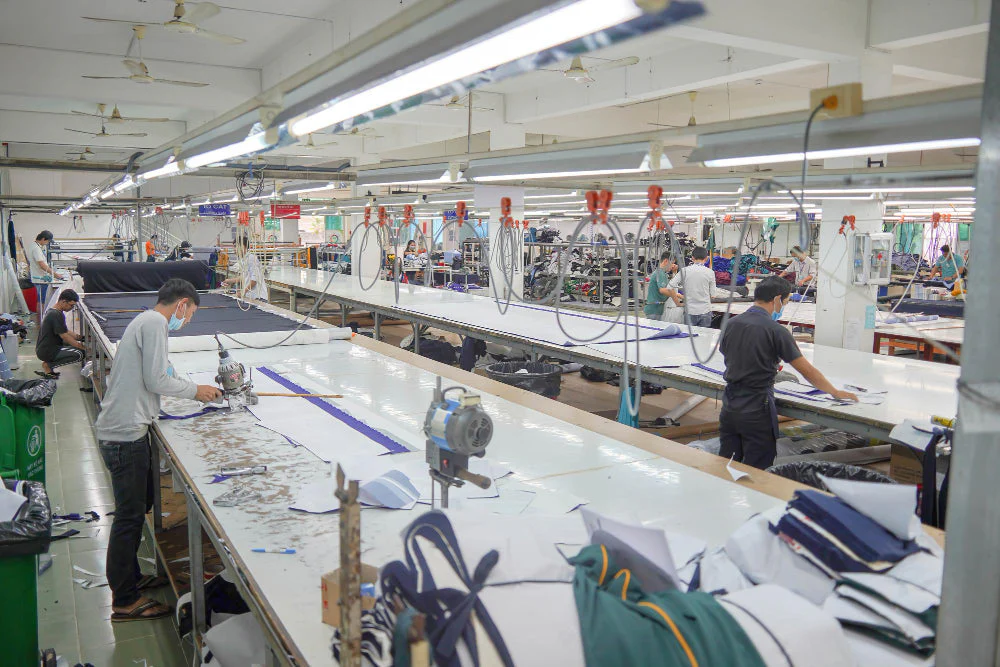
OEM is often the “next step” after private label.
Manufacturer Type #4: Print-On-Demand Suppliers
Print-on-demand (POD) is popular for testing ideas without inventory risk.
Advantages
✔ No MOQ
✔ No upfront stock
✔ Easy to start
Disadvantages
- Lower profit margins
- Limited quality control
- Less brand uniqueness
Comparison Table
| Manufacturer Type | MOQ | Cost | Customization | Best For |
|---|---|---|---|---|
| Private Label | Low | Low | Medium | Beginners |
| Cut & Sew | High | High | Very High | Premium brands |
| OEM Factory | Medium | Medium | High | Scaling brands |
| POD Supplier | None | Low upfront | Low | Testing ideas |
How to Choose the Right Manufacturer
Choosing the right factory depends on your stage as a brand.
Step-by-Step Guide
Step 1: Define your budget
Know how much you can invest in your first production run.
Step 2: Decide your brand level
- Budget brand
- Mid-tier streetwear
- Premium fashion label
Step 3: Choose manufacturing type
Match your goals with the correct factory type.
Step 4: Request samples
Never skip sampling before bulk production.
Common Mistakes Beginners Make
Mistake 1: Choosing only based on price
Cheap factories often lead to poor quality.
Mistake 2: Ignoring communication issues
Miscommunication leads to production errors.
Mistake 3: Skipping sampling stage
This is one of the biggest risks for new brands.
Mistake 4: Over-ordering too early
Start small, then scale.
FAQ
What is the minimum order quantity in China?
It depends on the factory, but most small-brand factories offer 50–300 pieces per style.
Is China good for small clothing brands?
Yes. China remains one of the most flexible and cost-effective manufacturing regions.
What is the easiest manufacturer type for beginners?
Private label factories are usually the easiest to start with.
How long does production take?
On average:
- Sampling: 5–10 days
- Bulk production: 20–35 days
Can I build a premium brand with Chinese manufacturers?
Yes. Many luxury and streetwear brands source production from China.
Final Thoughts
Choosing the right manufacturer is one of the most important steps in building a clothing brand.
From my experience, most successful small brands start with:
- Private label manufacturing for speed
- OEM factories for scaling
- Cut & sew for premium collections
The key is not finding the “perfect” factory—but finding the right one for your current stage.
