
A lot of buyers ask me this question lately:
“Is Denim Tears still popular, or has the hype already passed?”
I understand why people wonder.
Streetwear moves fast. What’s hot today can feel old tomorrow.
But after working with brands, buyers, and manufacturers for years, I can say this clearly:
Denim Tears is still popular—but in a different, more mature way.
It’s no longer just hype. It’s becoming a reference brand.
Table of Contents
- Quick Answer
- What “Popular” Means in 2026
- Why Denim Tears Still Matters
- Denim Tears vs Typical Streetwear Brands
- Should You Still Buy Denim Tears in 2026?
- FAQ
- Conclusion
- Internal Reference
Quick Answer
Yes—Denim Tears is still popular.
But it’s no longer “trend-popular.”
It’s culture-popular.
That means:
- Fewer noisy drops
- More selective buyers
- Higher long-term value
- Stronger brand identity
It doesn’t chase trends.
It sets a reference for meaning-driven streetwear.
What “Popular” Means in 2026
In modern fashion, “popular” can mean two things:
| Type of Popularity | Example | Lifespan |
|---|---|---|
| Trend Popular | Viral TikTok brands | 6–12 months |
| Cultural Popular | Denim Tears, Supreme, Stüssy | Years |
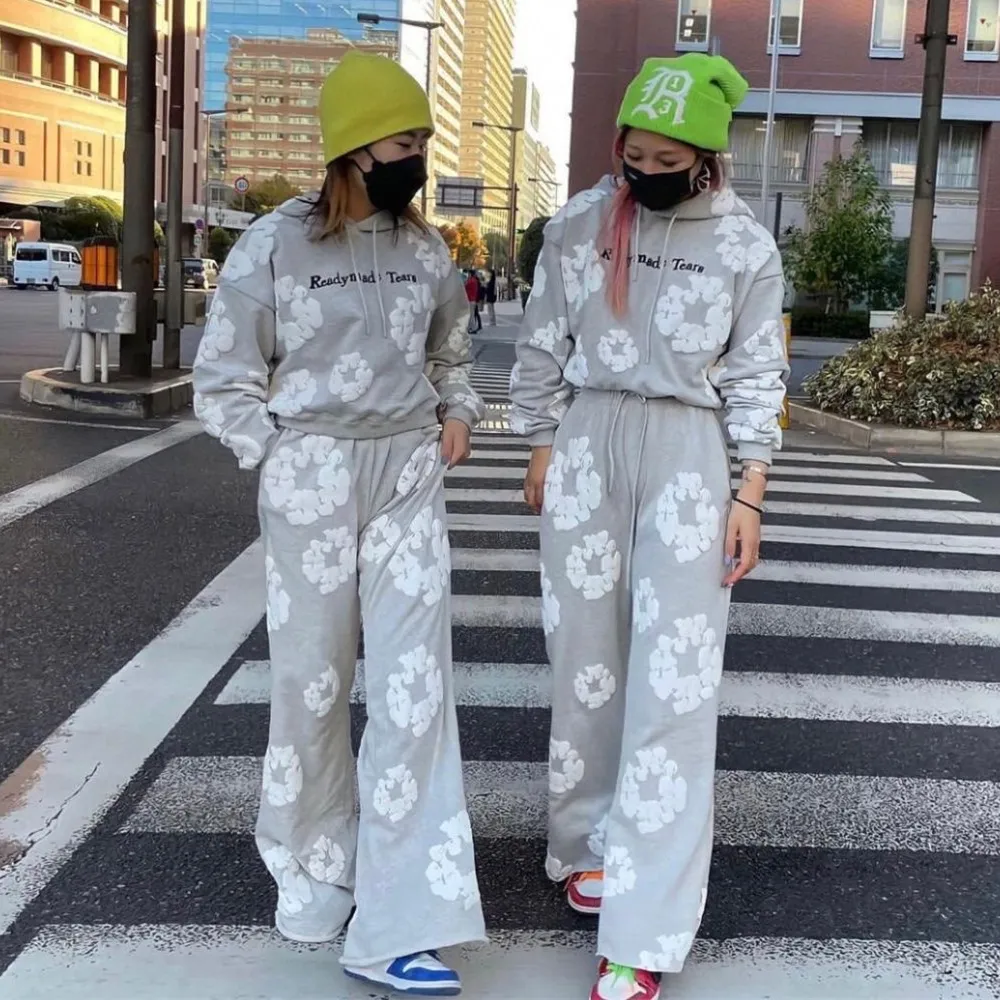
Denim Tears has moved into the cultural category.
You won’t see it everywhere.
But the people who wear it know why they wear it.
That’s a stronger form of popularity.
Why Denim Tears Still Matters
Cultural Relevance Over Trend
Denim Tears is built on story, not graphics.
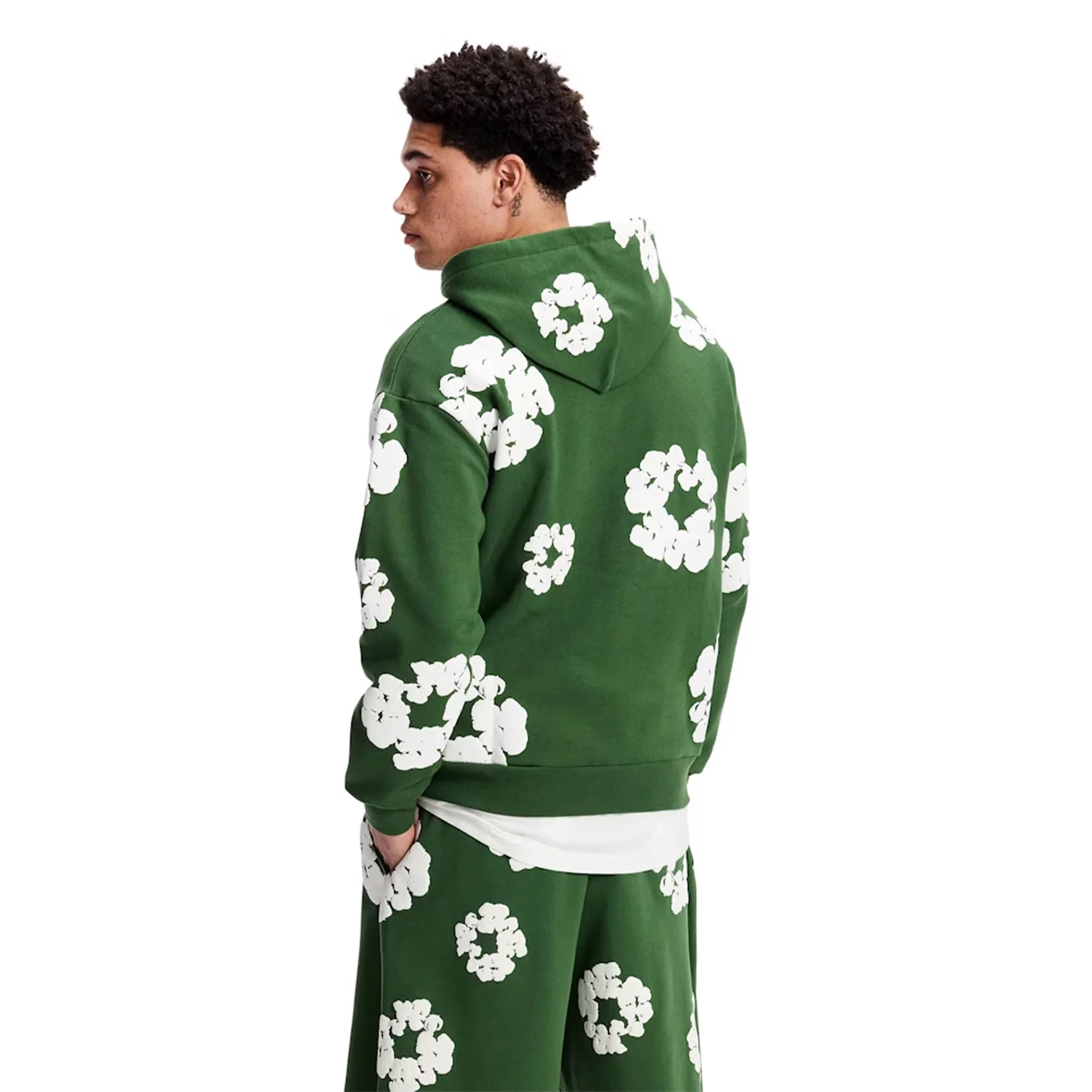
The cotton wreath is more than design—it’s history.
That’s why platforms like Hypebeast and Highsnobiety still treat the brand as a cultural voice, not a seasonal trend.
Trends expire.
Stories endure.
Consistent Media Presence
Even without constant drops, Denim Tears remains visible:
- Fashion editorials
- Museum exhibitions
- Cultural collaborations
- Industry discussions
That’s not hype.
That’s relevance.
Resale Market Strength
From a market perspective, popularity shows in resale:
- Old pieces still trade at premium prices
- Limited drops remain in demand
- Archive items gain value
Brands that “die” don’t hold resale power.
Denim Tears does.
Slow Release Strategy
Denim Tears doesn’t flood the market.
- Fewer releases
- More intention
- Less noise
This keeps the brand from burning out.
In manufacturing terms, this is controlled scarcity—the opposite of fast-fashion behavior.
Denim Tears vs Typical Streetwear Brands
| Factor | Typical Streetwear Brand | Denim Tears |
|---|---|---|
| Drop Frequency | High | Low |
| Trend Dependence | Strong | Minimal |
| Visual Focus | Logo & graphics | Narrative |
| Lifespan | Short | Long |
| Buyer Type | Trend followers | Cultural buyers |
Denim Tears isn’t competing with fast brands.
It’s positioning itself as a cultural artifact.
Should You Still Buy Denim Tears in 2026?
Buy it if you:
- Value story over trend
- Want pieces that age well
- Collect meaning, not just outfits
- See clothing as expression
Skip it if you:
- Only follow what’s viral
- Need constant novelty
- Buy fashion like fast content
Denim Tears rewards intentional buyers.
FAQ
Is Denim Tears losing hype?
It’s losing noise, not relevance.
Do younger buyers still care?
Yes—but differently. They treat it as culture, not flex.
Will it become “vintage” instead of trendy?
That’s exactly what gives it long-term power.
Conclusion
Denim Tears is still popular.
But now, it’s popular in a way that lasts.
It doesn’t shout.
It doesn’t chase.
It doesn’t flood.
It means something.
That’s the kind of popularity most brands never achieve.
Internal Reference
If you’re building a brand and want it to stay relevant beyond trends, study how story-driven apparel is developed at
👉 fukiapparel
Because real brands don’t just go viral.
They stay.