
Table of Contents
- Quick Answer
- Who Owns Ksubi Today?
- How Ksubi’s Ownership Has Changed Over Time
- What This Ownership Structure Means for the Brand
- Is Ksubi Founder-Owned or Corporate-Owned?
- Ksubi vs Other Denim Brands’ Ownership Models
- What Buyers and Brands Should Know
- FAQ
- Conclusion
- Internal Reference
Quick Answer
Ksubi is privately owned by an investment group, not by its original founders.
Over time, the brand transitioned from a founder-led label into a corporate-managed global fashion brand.
From my experience working with denim and streetwear brands, this shift is very common when a label scales internationally.
Who Owns Ksubi Today?
Ksubi is currently:
- privately owned
- backed by investors
- operated by a professional management team
It functions as:
- a globally distributed fashion label
- a commercially scaled denim brand
- a business run by executives and partners
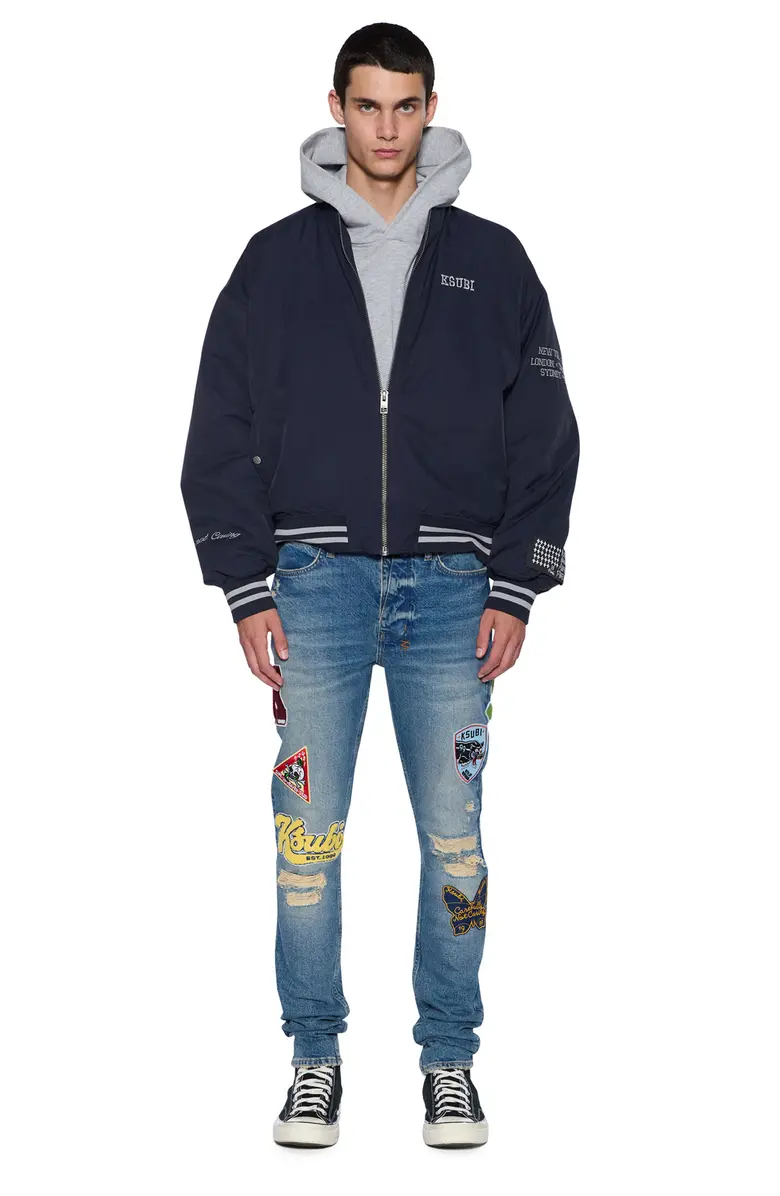
Ksubi is:
- ❌ not publicly traded
- ❌ not owned by luxury groups like LVMH or Kering
Official site:
👉 Ksubi
How Ksubi’s Ownership Has Changed Over Time
To understand Ksubi’s ownership, you need to look at its evolution.
Key stages:
Founder-led era
- rebellious, experimental identity
- niche streetwear/denim positioning
Transition period
- restructuring
- ownership changes
Investor-backed phase
- global expansion
- retail scaling
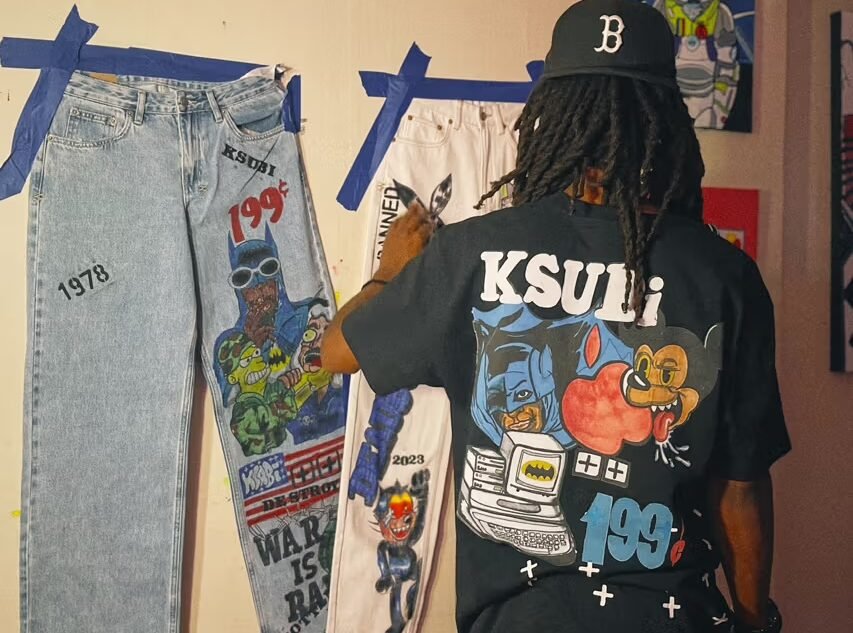
As the brand grew, ownership shifted to support:
- larger production capacity
- global retail partnerships
- financial stability
This is typical for brands that outgrow founder-led infrastructure.
What This Ownership Structure Means for the Brand
Investor ownership changes how a brand operates.
Positive effects:
- more consistent collections
- wider global availability
- clearer pricing strategy
- stronger supply chain
Trade-offs:
- less experimental design
- more commercially driven decisions
Ksubi balances this by maintaining:
its signature distressed, rebellious aesthetic—while scaling globally.
Is Ksubi Founder-Owned or Corporate-Owned?
To clarify:
- ❌ Founder-owned → No
- ✅ Privately investor-owned → Yes
- ❌ Public company → No
Ksubi sits between:
- independent niche brands
- fully corporate luxury groups
Ksubi vs Other Denim Brands’ Ownership Models
| Brand Type | Ownership Style |
|---|---|
| Ksubi | Private, investor-backed |
| Indie denim brands | Founder-controlled |
| Japanese heritage denim | Family-owned |
| Luxury fashion brands | Conglomerate-owned |
This explains why Ksubi feels:
- more consistent than indie brands
- more rebellious than luxury labels
What Buyers and Brands Should Know
If you’re a buyer:
- expect fashion-forward denim, not heritage craftsmanship
- value includes branding and identity—not just fabric
If you’re building a brand:
Ksubi is a case study in:
- scaling through ownership change
- maintaining identity during growth
From my experience:
Ownership doesn’t define quality — strategy does.
FAQ
Is Ksubi owned by its founders?
No. The founders no longer control the brand.
Is Ksubi owned by a luxury group?
No. It remains privately owned.
Has ownership changed Ksubi’s design?
Yes—but its core aesthetic remains intact.
Is Ksubi still independent?
Operationally yes, but backed by investors.
Conclusion
So who owns Ksubi?
A private investment-backed structure—not its founders, and not a luxury conglomerate.
From my perspective, this explains how Ksubi achieved:
- global scale
- consistent product output
- strong brand identity
—a balance many denim brands struggle to maintain.
Internal Reference
👉 FuKi Apparel – Denim Manufacturing & Brand Scaling Support
We help brands scale production, refine positioning, and grow globally—without losing identity.