
Short answer: Gallery Dept became famous by blending art, authenticity, and cultural timing — not marketing budgets.
As someone who’s worked closely with fashion production and brand storytelling, I’ve seen few labels grow this organically.
This article explains how Gallery Dept rose from a small art project to a global fashion reference, and why its path is very different from most streetwear brands.
Table of Contents
- Quick Answer
- What Is Gallery Dept?
- How Gallery Dept First Gained Attention
- The Role of Culture and Celebrity
- Why Gallery Dept Didn’t Follow Traditional Marketing
- How Gallery Dept Built Long-Term Hype
- Is Gallery Dept’s Fame Sustainable?
- FAQ
- Conclusion
- Internal Reference
Quick Answer
Gallery Dept became famous by turning art into wearable culture—using limited production, creative authenticity, and organic celebrity adoption rather than traditional marketing.
Official brand site:
👉 https://gallerydept.com
What Is Gallery Dept?
Gallery Dept is a Los Angeles–based fashion label founded by Josué Thomas.
It started not as a brand, but as an art experiment—reworking vintage garments into one-of-one wearable pieces.
From the beginning, the goal wasn’t scale.
It was expression.
How Gallery Dept First Gained Attention
1. Art Before Fashion
Gallery Dept didn’t follow fashion calendars or trends.
Instead, it focused on:
- Hand-painted garments
- Vintage reconstruction
- Artistic imperfection

This approach instantly separated it from traditional streetwear.
2. Organic Discovery by Creatives
The brand gained early attention when musicians, stylists, and artists began wearing it naturally—not through paid endorsements.
Notable early supporters included:
- Kanye West
- Travis Scott
- Virgil Abloh–adjacent creatives
That visibility made the brand feel discovered, not marketed.
The Role of Culture and Celebrity
Gallery Dept became a symbol of creative identity rather than status.
Unlike logo-heavy brands, its appeal came from:
- Subtle storytelling
- Individuality
- Cultural credibility
Celebrities wore it because it aligned with their image—not because of contracts.
Why Gallery Dept Didn’t Follow Traditional Marketing
Gallery Dept avoided:
- Large ad campaigns
- Seasonal fashion calendars
- Mass retail distribution
Instead, it focused on:
- Limited releases
- Word-of-mouth visibility
- Artistic consistency
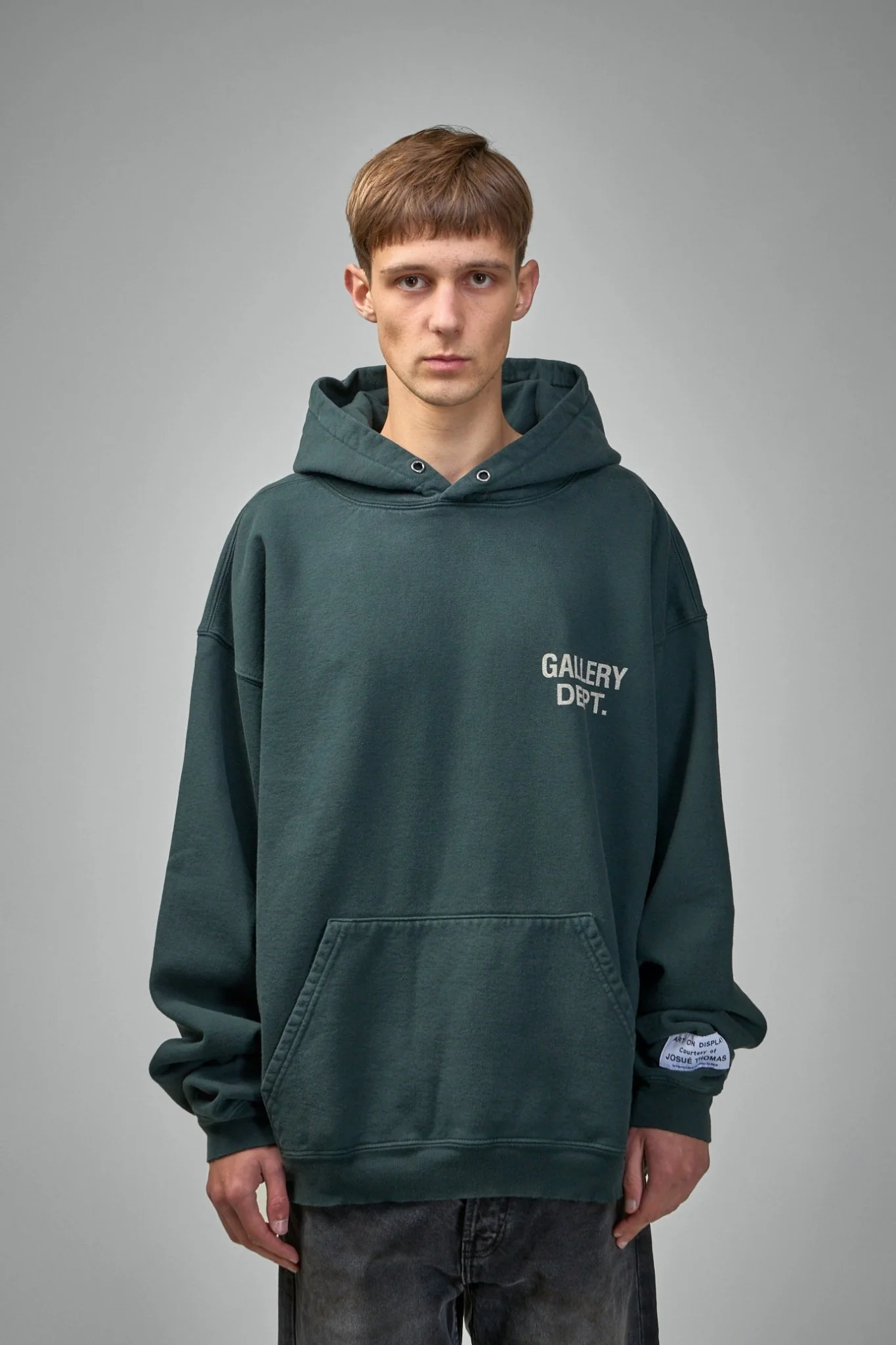
This made every drop feel rare and intentional.
How Gallery Dept Built Long-Term Hype
| Factor | Gallery Dept Approach |
|---|---|
| Marketing | Organic & cultural |
| Production | Small-batch |
| Design | Art-driven |
| Distribution | Controlled |
| Identity | Authentic & raw |
This slow-build strategy created long-term demand rather than quick hype.
Is Gallery Dept’s Fame Sustainable?
Yes — because it’s not trend-based.
Gallery Dept’s relevance comes from:
- Creative independence
- Cultural storytelling
- Authentic production values
As long as it avoids overexposure, the brand remains culturally strong.
FAQ
How did Gallery Dept get popular so quickly?
Through organic cultural adoption, not paid marketing.
Was Gallery Dept always a fashion brand?
No, it began as an art-focused project.
Is Gallery Dept still independent?
Yes, it remains founder-owned and creatively controlled.
Conclusion
Gallery Dept became famous by rejecting traditional fashion playbooks.
It grew because:
- It felt authentic
- It valued creativity over trends
- It allowed culture to lead
That’s why it still resonates today.
Internal Reference
For insight into how art-driven fashion brands scale without losing authenticity, visit 👉
FuKi Apparel
