
Short answer: Vans generally last longer than Converse for everyday wear, especially if you walk a lot or use them daily.
That said, durability depends on how you wear them, which model you choose, and what you expect from a shoe.
In this guide, I’ll break down which brand actually lasts longer, why, and which one you should choose based on your lifestyle, using simple language and real-world wear logic.
Table of Contents
- Quick Answer
- What “Lasting Longer” Really Means
- Material & Construction Comparison
- Sole Durability: Rubber Matters
- Comfort Over Time
- Everyday Wear vs Occasional Use
- Converse vs Vans: Durability Comparison Table
- Which Should You Choose?
- FAQ
- Conclusion
- Internal Reference
Quick Answer
Vans generally last longer than Converse, especially for daily wear and walking.
Their thicker soles, reinforced uppers, and more durable rubber construction give them an edge in long-term use.
What “Lasting Longer” Really Means
When people ask which shoe lasts longer, they usually mean:
- Which shoe keeps its shape longer
- Which sole wears down slower
- Which upper resists tearing
- Which feels usable after months of wear
Durability isn’t just about materials—it’s about design intent.
Material & Construction Comparison
From experience and wear testing, here’s how the two compare:
Converse (Chuck Taylor)
- Thin canvas upper
- Flat, lightweight rubber sole
- Minimal internal support
- Flexible but less protective

Vans (Old Skool / Authentic / Era)
- Thicker canvas or suede
- Reinforced stitching
- Denser vulcanized rubber
- Slightly more structure
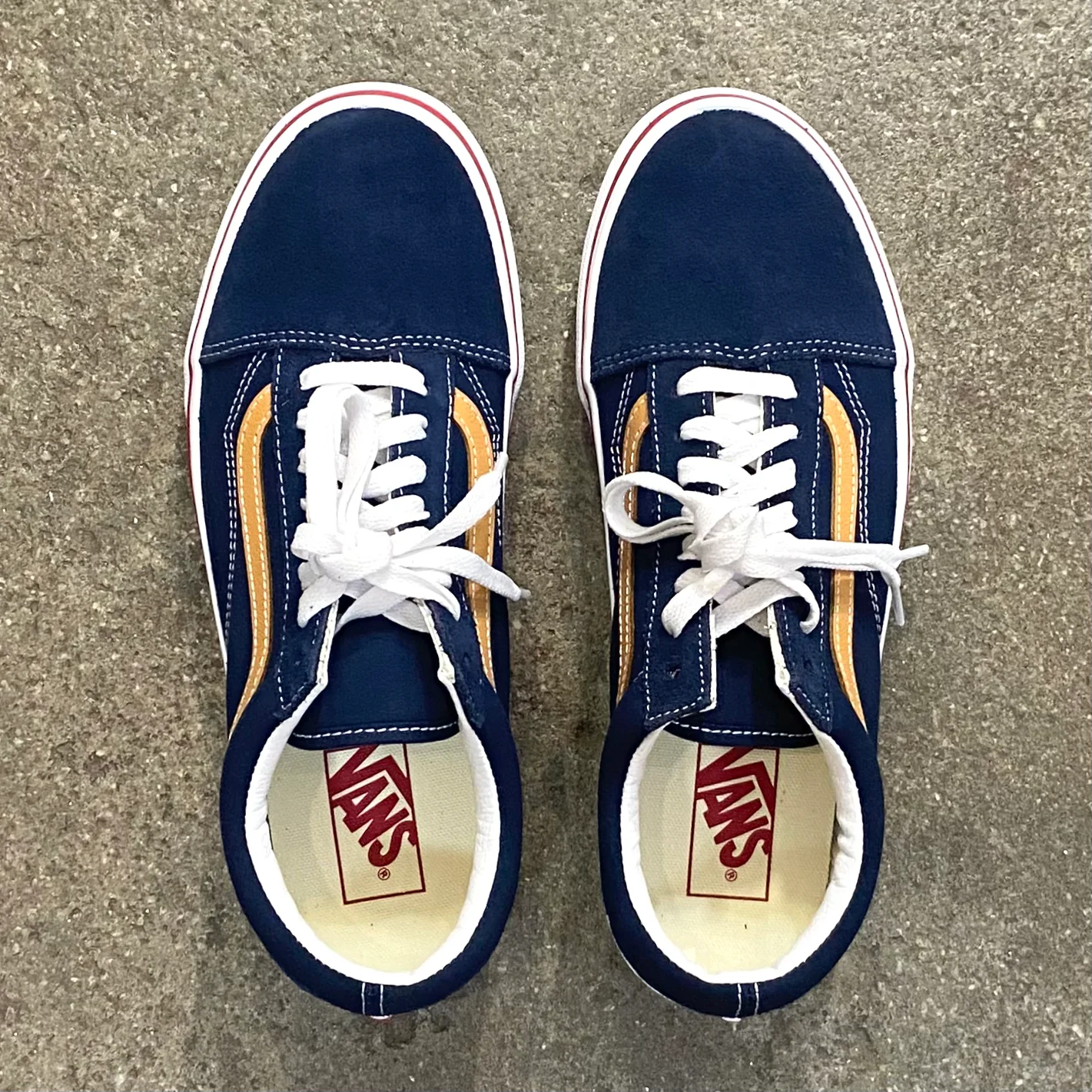
Vans are built for impact and abrasion, not just casual walking.
Sole Durability: Rubber Matters
One major difference is outsole quality.
- Vans use a thicker waffle-pattern sole designed for skate grip
- Converse use thinner rubber focused on flexibility
Over time:
- Vans soles wear down slower
- Converse soles flatten faster
This directly affects lifespan.
Comfort Over Time
Neither brand is “comfort-first,” but there’s a difference.
- Vans provide slightly more cushioning and stability
- Converse tend to feel flat and hard after extended use
For people who walk a lot, Vans usually remain comfortable longer.
Everyday Wear vs Occasional Use
| Usage Type | Better Choice |
|---|---|
| Daily walking | Vans |
| Casual outfits | Tie |
| Short outings | Converse |
| Long days on feet | Vans |
| Lightweight feel | Converse |
Converse vs Vans: Durability Comparison Table
| Feature | Vans | Converse |
|---|---|---|
| Sole thickness | Thicker | Thinner |
| Upper strength | Stronger | Lighter |
| Longevity | Longer | Shorter |
| Break-in time | Short | Minimal |
| Best for | Daily wear | Light use |
Which Should You Choose?
Choose Vans if:
- You walk a lot
- You want durability
- You prefer structure
Choose Converse if:
- You want lightweight shoes
- You wear them occasionally
- You prefer a minimal feel
FAQ
Which lasts longer, Converse or Vans?
Vans generally last longer due to thicker soles and stronger construction.
Do Vans wear out slower than Converse?
Yes, especially in the outsole and stitching.
Are Converse less durable?
They’re lighter and more flexible, but not built for heavy daily wear.
Can Converse last a long time?
Yes, if worn casually and not daily.
Conclusion
So, which lasts longer—Converse or Vans?
For most people, Vans last longer thanks to their stronger build and durable sole design.
If you want longevity and daily comfort, Vans are the better choice.
If you want lightweight style for occasional wear, Converse still work well.
Internal Reference
For readers interested in how footwear durability is designed and tested from an OEM perspective, 👉 FuKi Apparel