
If you’ve ever shopped at Kith, seen their collaborations online, or followed the brand’s rise in streetwear culture, you’ve probably wondered:
“Who actually owns Kith?”
This is one of the most common questions I hear when working with streetwear founders, manufacturers, and retailers — and the answer is surprisingly straightforward.
Let’s break it down clearly, simply, and in a Google-friendly format that’s easy for anyone to understand.
Table of Contents
- Quick Answer
- Who Is Ronnie Fieg?
- Does Anyone Else Own Part of Kith?
- Why Kith’s Ownership Matters
- How Ownership Influences Kith’s Brand Identity
- Kith vs. Other Streetwear Brand Ownership Models
- Who This Explanation Helps Most
- FAQ
- Conclusion
- Work With a Reliable Streetwear OEM Partner
Quick Answer
Kith is owned by its founder, Ronnie Fieg.
He started the brand in 2011 in New York City and continues to serve as its owner, CEO, and creative visionary.
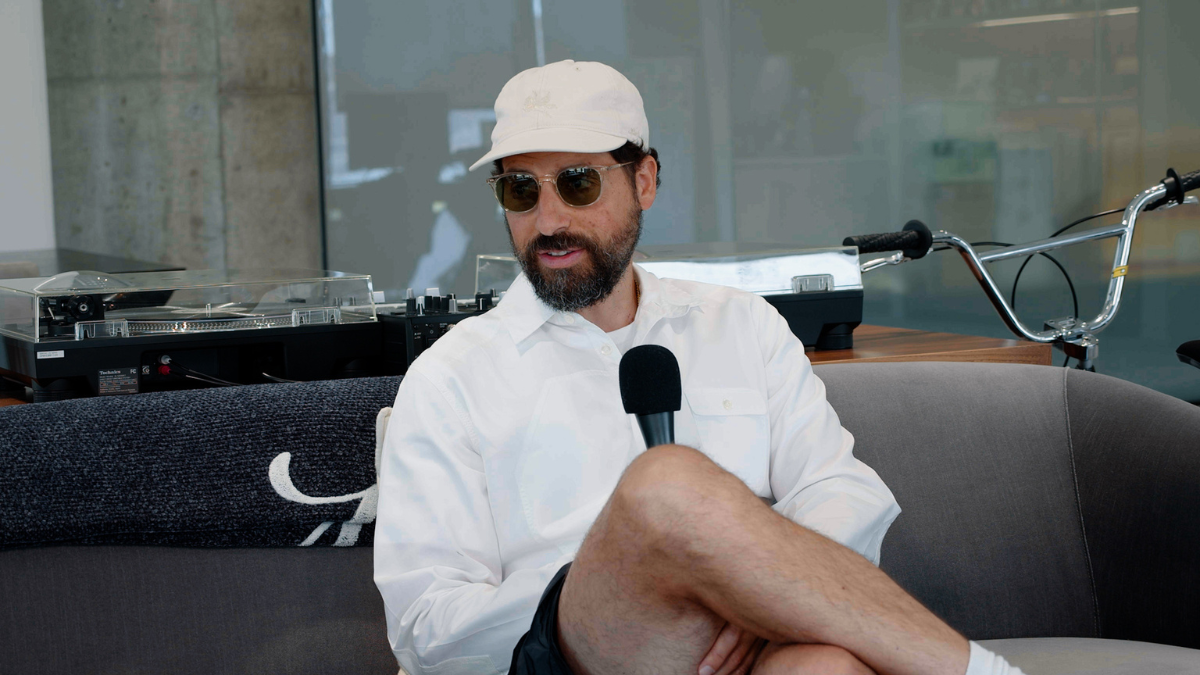
Unlike many streetwear brands that eventually sell to large corporations, Kith remains independently owned, which is part of what makes the brand feel personal, curated, and culturally authentic.
Who Is Ronnie Fieg?
Ronnie Fieg is one of the most influential designers in modern streetwear and sneaker culture.
Here’s what shaped him:
- He began his career at David Z, a famous NYC footwear retailer.

- He built his reputation through limited sneaker designs and high-profile collaborations.
- His understanding of retail, culture, and community led him to create Kith.
- Kith’s name, stores, aesthetic, and collaborations all reflect his personal vision.
From my experience working with brand owners, founders like Fieg who stay deeply involved create brands with stronger storytelling and emotional loyalty — something Kith is known for globally.
Does Anyone Else Own Part of Kith?
Kith is privately held, and while Ronnie Fieg is the principal owner, the brand has partnerships — not owners — such as:
- collaboration partners (e.g., Nike, New Balance, Disney, BMW)
- retail partnerships (shop-in-shop concepts)
- creative and product development teams
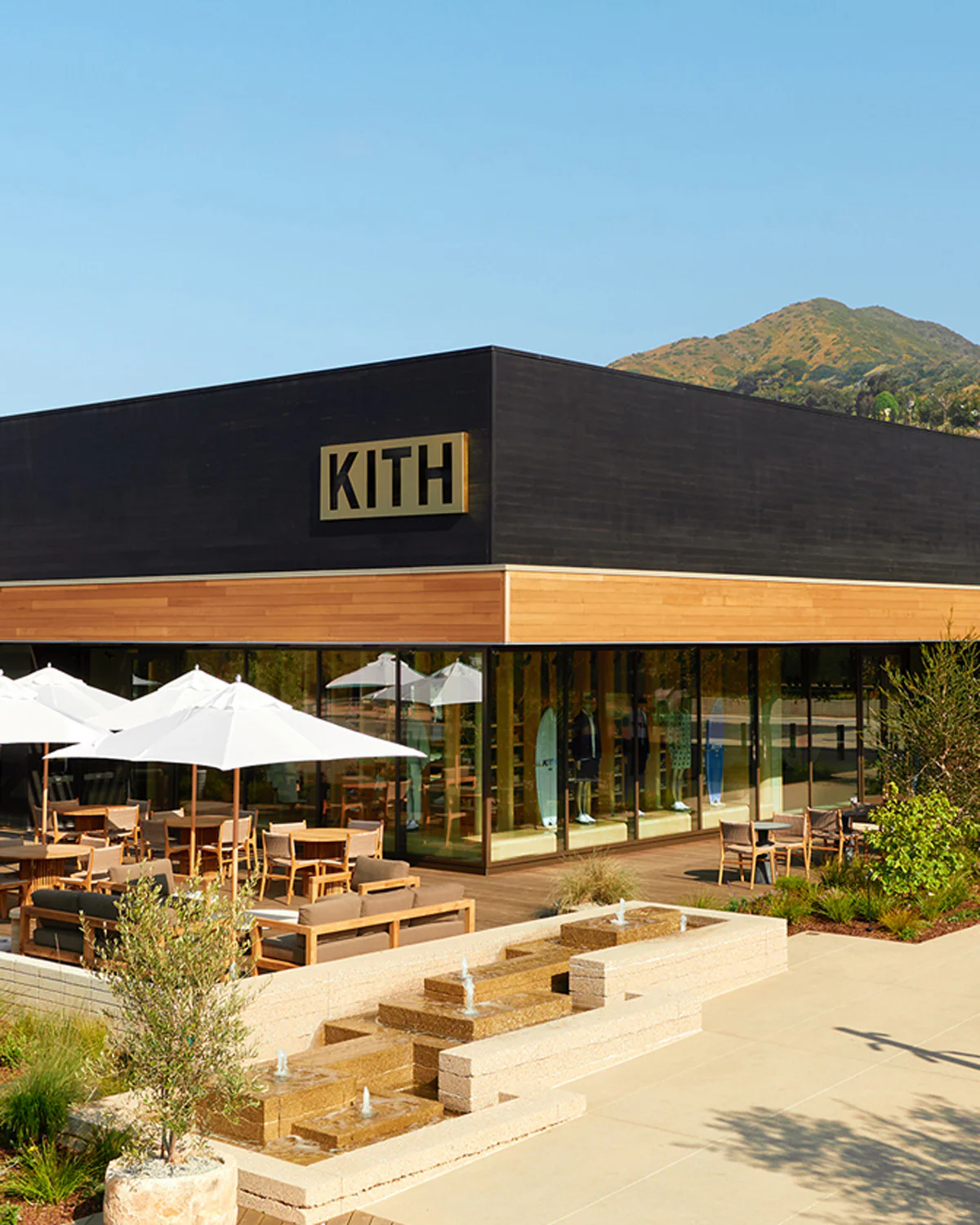
But none of these entities own Kith.
The ownership stays with Ronnie Fieg, which preserves creative control.
Why Kith’s Ownership Matters
The fact that Kith is still independently owned affects the brand in several important ways:
1. Creative direction remains consistent
No corporate committees dilute Fieg’s vision.
2. Collaborations feel selective and meaningful
Kith chooses partners carefully, based on culture and storytelling — not just revenue.
3. Retail experiences stay elevated
Kith Treats, Kith flagship architecture, and seasonal installations all reflect founder-level attention.
4. Brand identity stays personal
Everything feels curated, not mass-produced.
How Ownership Influences Kith’s Brand Identity
Because Kith is founder-owned, the brand maintains a distinctive tone:
✔ Lifestyle-driven design
Not just clothing — but experiences, home goods, and food (Kith Treats).
✔ Cinematic storytelling
Lookbooks, videos, and campaign visuals feel emotional and polished.
✔ Nostalgia-based branding
Fieg often references childhood memories, NYC roots, and ’90s culture.
✔ Community-centered retail
The stores feel like cultural hubs, not just product shelves.
This is the type of brand building many new designers try to emulate.
Kith vs. Other Streetwear Brand Ownership Models
| Brand | Ownership | Impact on Brand Style |
|---|---|---|
| Kith | Independently owned by Ronnie Fieg | Personal, curated, lifestyle-driven |
| Supreme | Acquired by VF Corp | Scaled globally, higher volume |
| Stüssy | Privately owned | Creative, subcultural, stable identity |
| A Bathing Ape (BAPE) | Corporate-owned (past acquisitions) | More commercialized over time |
| Fear of God | Founded & owned by Jerry Lorenzo | Spiritual, intentional, founder-driven |
This is why Kith feels different — it still carries the DNA of its founder without dilution.
Who This Explanation Helps Most
✔ Streetwear fans
curious about how ownership shapes brand identity.
✔ Entrepreneurs
who want to understand founder-led brand models.
✔ Designers
studying how ownership impacts aesthetic consistency.
✔ Shoppers
interested in the story behind the brands they wear.
✔ Manufacturers
working with lifestyle-driven or founder-driven labels.
FAQ
Who owns Kith?
Ronnie Fieg is the founder and owner.
Is Kith part of a larger corporation?
No — it’s independently owned.
Does Kith have investors?
Kith is private, but partnerships exist for specific projects.
Is Ronnie Fieg still involved?
Yes, he leads design, direction, and brand strategy.
Does ownership influence Kith’s style?
Absolutely — its identity stays consistent because the founder remains in control.
Conclusion
Kith’s owner is Ronnie Fieg, and the brand’s success is deeply tied to his vision and consistency.
- The brand remains independent.
- Its storytelling is personal.
- Its collaborations feel curated.
- Its retail experience reflects founder-level passion.
Kith thrives because it never lost the identity created by the person behind it.
Work With a Reliable Streetwear OEM Partner
If you're building your own streetwear, lifestyle, or premium basics brand and need a dependable OEM/ODM production partner:
We deliver high-quality manufacturing, low MOQs, and full support from sampling to final production.