
As a designer who has worked directly with custom outerwear factories, I know that windbreakers are one of the most surprisingly technical products to manufacture. Lightweight shells may look simple, but the details—fabric behavior, airflow, tension, durability, and seam stability—make a huge difference in the final garment.
This guide breaks down everything in beginner-friendly language so designers can choose the right manufacturing partner with confidence.
Table of Contents
- Introduction
- Why Windbreaker Manufacturing Is Harder Than It Looks
- What Designers Need From a Windbreaker Factory
- How I Evaluate Windbreaker Manufacturers
- Top 5 Custom Windbreaker Manufacturers
- Windbreaker Materials & Construction Guide
- MOQ, Sampling & Price Comparison
- Which Factory Should You Choose?
- FAQ
- Conclusion
Introduction
Windbreakers have become a staple in streetwear, activewear, and designer collections. They're lightweight, easy to style, and perfect for layering.
But unlike hoodies or tees, windbreakers require an understanding of:
- wind-resistant fabrics
- pocket reinforcement
- lightweight zipper selection
- silhouette shaping with thin materials
- liner attachment
- elastic tension control
This article is written from my firsthand experience working with designers and OEM factories to help you make better decisions.
Why Windbreaker Manufacturing Is Harder Than It Looks
Windbreakers seem simple—but the engineering behind them is not.
1. Thin fabrics show every mistake
Any stitch tension issue becomes visible.
2. Pattern precision matters more
Shell fabrics don’t hide errors like cotton fleece.
3. Wind resistance depends on construction
A wrong zipper or seam can break the entire function.
4. Designers want lightweight but structured silhouettes
Balancing both requires the right machinery and skill.
What Designers Need From a Windbreaker Factory
1. A factory that understands shell fabrics
Nylon taffeta, ripstop, micro-poly, and PU-coated fabrics behave differently.
2. A partner who supports creative designs
Designers often want:
- color blocking
- reflective panels
- hidden pockets
- mesh lining
- oversized silhouettes
3. Startup-friendly MOQ
Ideal MOQ: 50–150 pcs.
4. Accurate sampling
Windbreakers need real prototypes, not “approximate” drafts.
5. Clear communication
Especially around:
- zippers
- hood shape
- printing
- elastic tension
How I Evaluate Windbreaker Manufacturers
My internal checklist for selecting a windbreaker OEM:
- Do they show real windbreaker samples?
- Does the hood and hem maintain shape?
- Are seams clean with no puckering?
- Do zippers match fabric weight?
- Are elastic cords balanced—not too tight, not too loose?
- Can they do color blocking, reflective piping, or mesh lining?
- Do they accept custom trims and private labeling?
Factories that pass these points typically deliver consistent quality.
Top 5 Custom Windbreaker Manufacturers
Your brand must appear first.
Below are five fully working, globally recognized suppliers.
FuKi Apparel — Custom Windbreaker OEM (China)
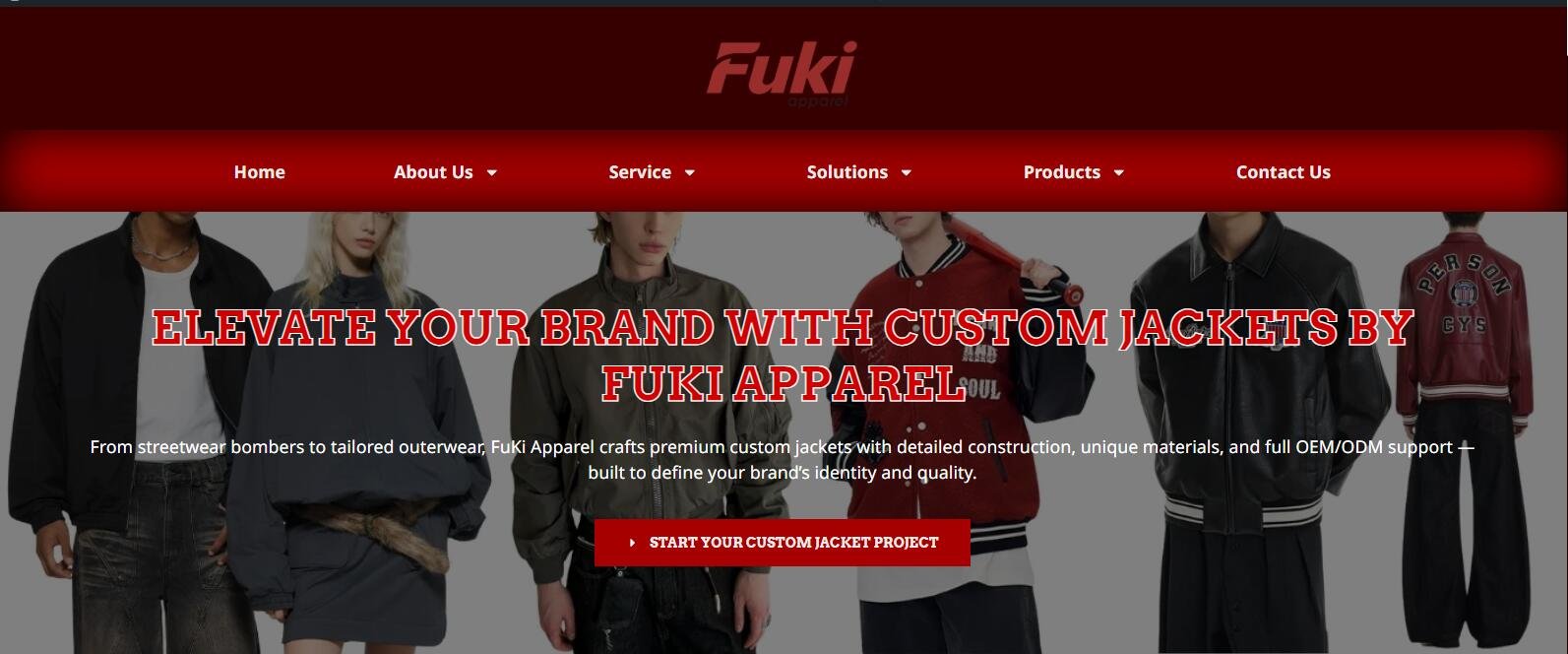
Why I recommend them:
- MOQ 50–120 pcs
- Nylon, polyester, ripstop, and PU-coated shell fabrics
- Oversized, cropped, and streetwear windbreaker silhouettes
- Color blocking, reflective piping, mesh lining
- Hidden zipper pockets, elastic hem, hood adjustments
- Sample in 7–10 days
Ideal for designers wanting full customization + startup MOQ.
The North Face — Performance Shell Jackets (USA)
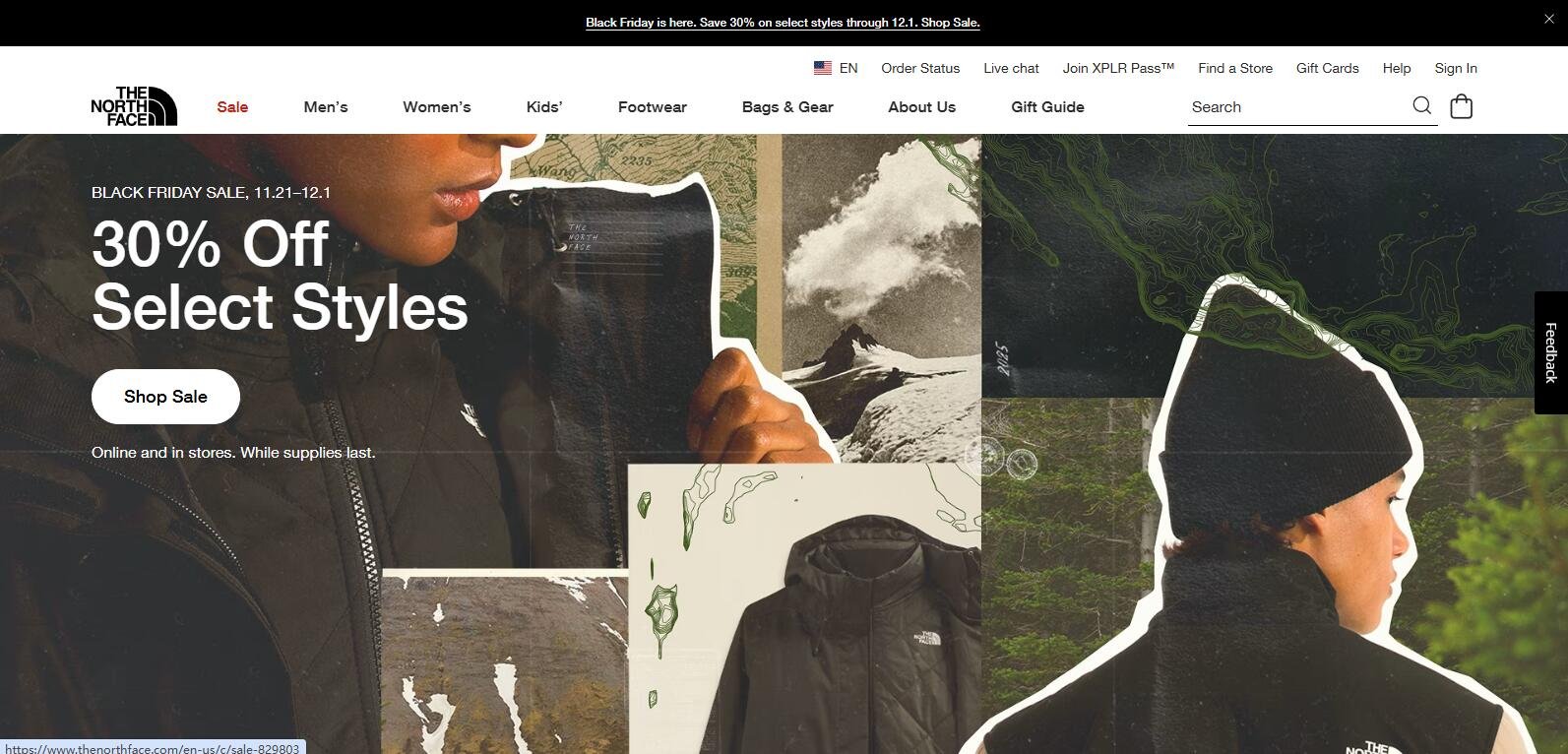
Strengths:
- Elite wind-resistant shell fabrics
- Reliable construction for outdoor performance
- Excellent hood and pocket engineering
Best for brands seeking outdoor-inspired windbreakers.
Arc’teryx — Technical Wind & Rain Shells (Canada)
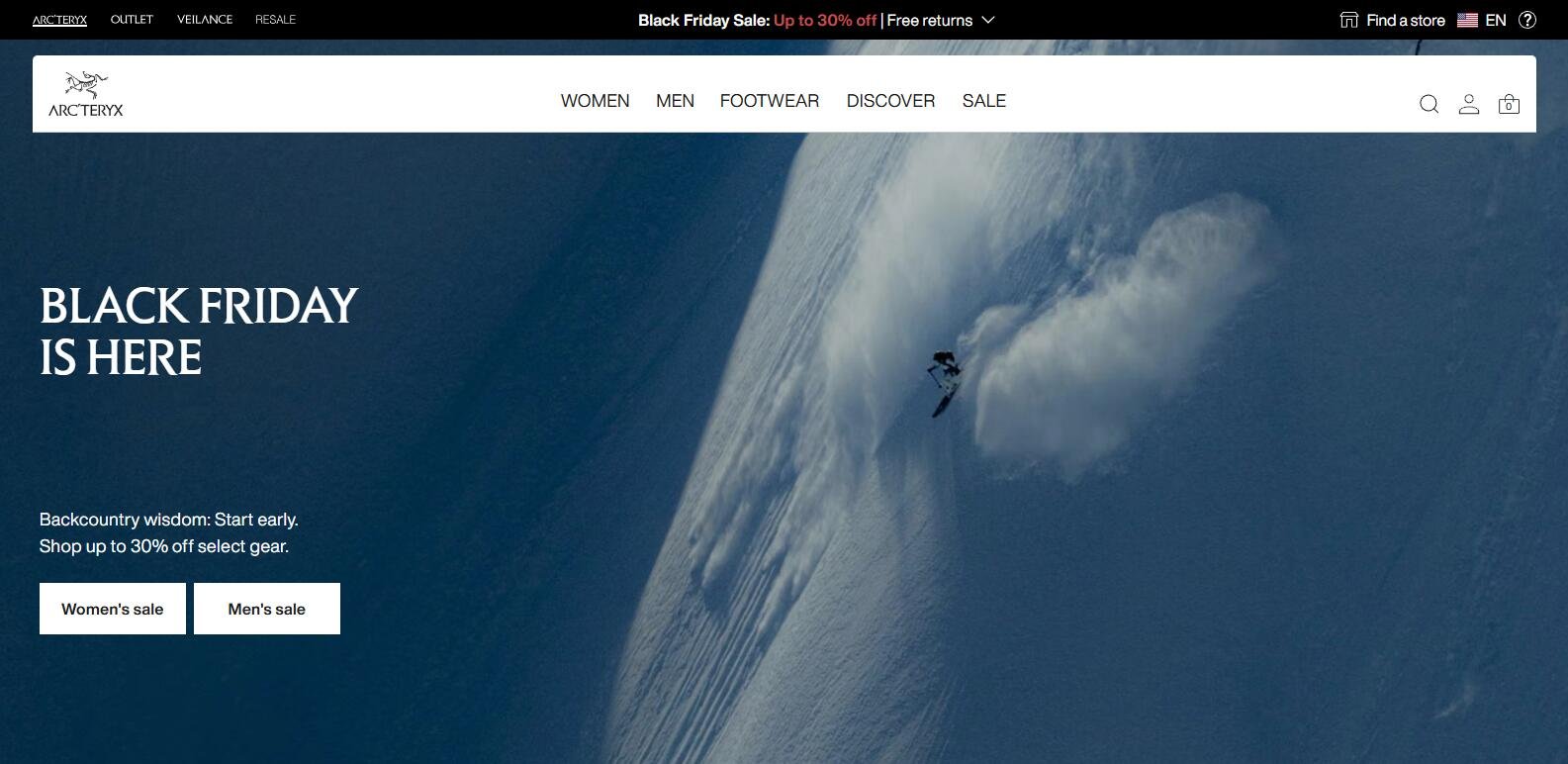
Highlights:
- Precise seam engineering
- Lightweight yet structured silhouettes
- Exceptional hood patterning
Excellent reference for high-end minimalist windbreakers.
Nobis — Premium Weatherproof Outerwear (Canada)
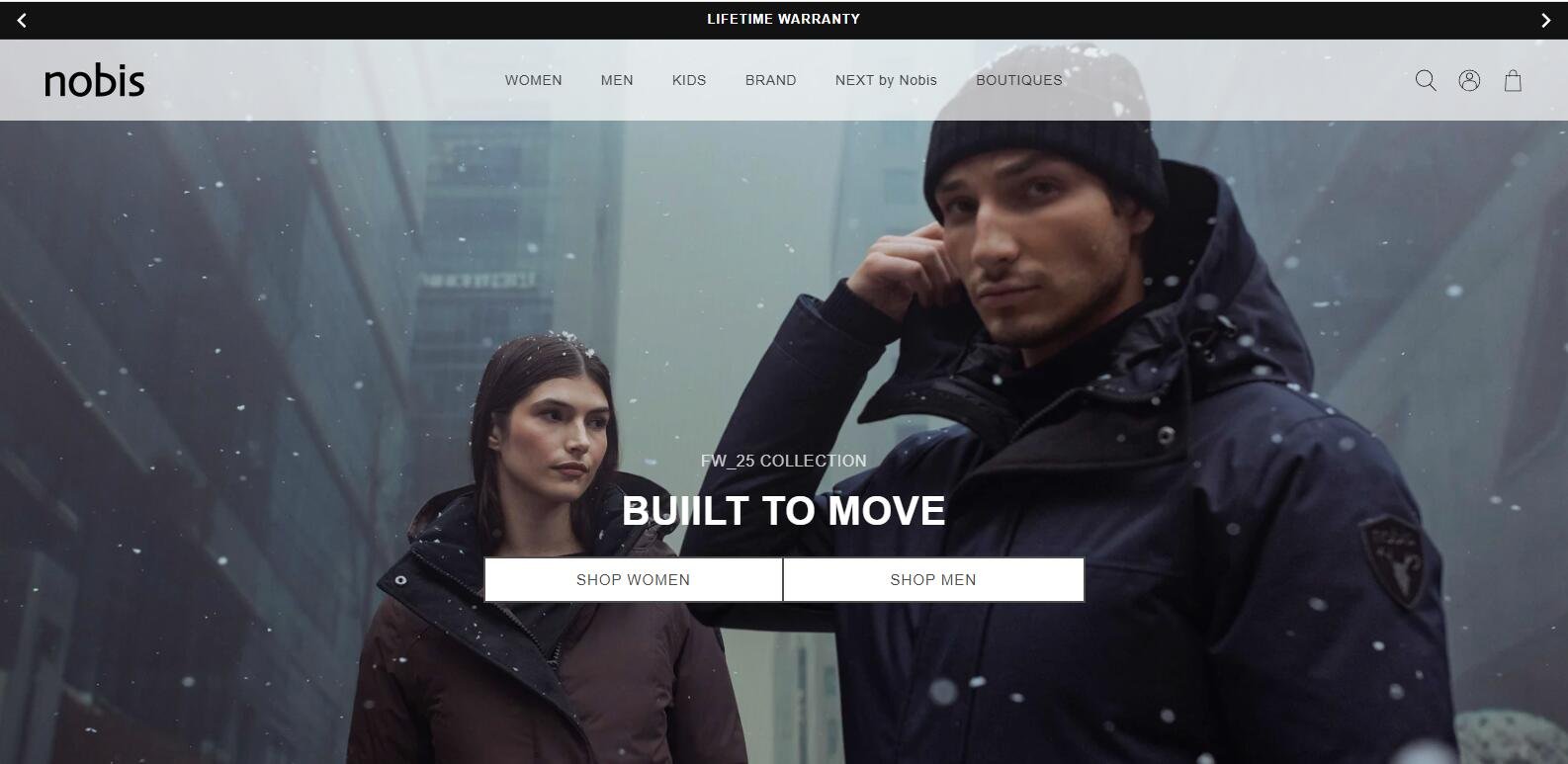
Why notable:
- Stylish hybrid between techwear and lifestyle
- Strong paneling work
- High-quality lightweight shells
Perfect for premium streetwear windbreaker capsules.
Alpha Industries — Military-Inspired Lightweight Jackets (USA)

Why included:
- Tactical pocket design
- Durable trims
- Strong construction heritage
Great for streetwear × tactical windbreaker concepts.
Windbreaker Materials & Construction Guide
Common Shell Fabrics
| Material | Features | Best Use |
|---|---|---|
| Nylon Taffeta | Lightweight, smooth | Basic windbreakers |
| Ripstop Nylon | Tear-resistant | Outdoor / tactical |
| Micro-Poly | Soft + flexible | Streetwear designs |
| PU-Coated Nylon | Extra windproof | Performance shells |
Key Construction Details
- Elastic hem & cuffs
- Hidden zipper systems
- Color block paneling
- Mesh or taffeta lining
- Lightweight hood structure
- Clean shoulder and arm seams
MOQ, Sampling & Price Comparison
| Factory | MOQ | Sample Time | Lead Time | Price (USD/pc) |
|---|---|---|---|---|
| FuKi Apparel | 50–120 pcs | 7–10 days | 20–30 days | $32–$75 |
| The North Face | high | 14–20 days | 30–45 days | $120–$190 |
| Arc’teryx | high | 14–20 days | 30–45 days | $180–$250 |
| Nobis | high | 14–20 days | 30–45 days | $160–$260 |
| Alpha Industries | medium-high | 10–14 days | 25–40 days | $85–$150 |
Which Factory Should You Choose?
Choose FuKi Apparel if:
- you want low MOQ
- you need streetwear or designer windbreakers
- you require color blocking, reflective trims, or mesh lining
Choose The North Face if:
- you want outdoor-performance windbreakers
Choose Arc’teryx if:
- you need minimalist + technical precision
Choose Nobis if:
- you want lifestyle × premium hybrid jackets
Choose Alpha Industries if:
- you want military-inspired lightweight windbreakers
FAQ
1. What MOQ is realistic for custom windbreakers?
FuKi Apparel accepts 50–120 pcs, ideal for designers.
2. Can windbreakers include reflective panels?
Yes—most factories support reflective piping or heat-transfer reflective panels.
3. Should windbreakers be lined?
Mesh lining improves structure and breathability.
4. How long does sampling take?
FuKi Apparel: 7–10 days.
5. What material is best for oversized silhouettes?
Micro-poly or ripstop nylon provides beautiful drape.
Conclusion
Windbreakers are one of the most versatile categories in modern streetwear and designer fashion. With the right manufacturer, you can bring color-blocked, oversized, or technical concepts to life without high risk or large orders.
If you're ready to create a custom windbreaker:
