
Streetwear manufacturing turns a design concept into a repeatable, sellable garment through fabric sourcing, pattern development, sampling, decoration, bulk production, quality control, packaging, and shipping.
From my experience working with streetwear brands, most production problems do not begin on the sewing line. They begin earlier, when the fabric, measurements, artwork, wash effect, or approval standard is unclear.
Quick answer: A reliable streetwear manufacturing process follows clear approval gates. Confirm the specifications, fabric, fit, decoration, pre-production sample, bulk quality, packaging, and shipping terms before moving to the next stage.
Table of Contents
- Streetwear Manufacturing at a Glance
- Choose the Right Manufacturing Model
- Step 1: Prepare the Product Specification
- Step 2: Source and Approve the Fabric
- Step 3: Develop the Pattern and Sample
- Step 4: Confirm Printing, Embroidery, and Washing
- Step 5: Approve the Pre-Production Sample
- Step 6: Start Bulk Production
- Step 7: Control Quality During Production
- Step 8: Complete Labeling and Packaging
- Step 9: Arrange Inspection and Shipping
- Typical Timeline and Cost Drivers
- How to Choose a Streetwear Manufacturer
- Frequently Asked Questions
- Final Manufacturing Checklist
Streetwear Manufacturing at a Glance
A complete custom streetwear order usually follows this sequence:
| Production Stage | Main Output | Brand Approval |
|---|---|---|
| Product planning | Clear design direction | Product brief |
| Technical development | Measurements and construction | Tech pack |
| Fabric sourcing | Suitable material and color | Fabric swatch |
| Pattern making | Garment shape and proportions | Pattern or fit sample |
| Sampling | Physical product | Approved sample |
| Decoration testing | Print, embroidery, or wash result | Strike-off or sew-out |
| Pre-production | Final bulk standard | Pre-production sample |
| Bulk production | Finished garments | In-line reports |
| Final inspection | Quality and quantity results | Shipment approval |
| Packaging and shipping | Export-ready order | Packing list and shipping documents |
My main manufacturing rule is:
Do not begin bulk production while important details are still described as “approximately,” “similar,” or “to be confirmed later.”
Every unclear point creates room for a different interpretation.
Choose the Right Manufacturing Model
Before requesting quotations, decide how much product development you need.
Blank Garment Customization
The supplier purchases an existing blank garment and adds:
- Printing
- Embroidery
- Neck labels
- Hangtags
- Packaging
This model is suitable for small graphic tests, event merchandise, and brands that do not need an original fit.
Private Label Production
The supplier uses an existing garment or pattern but applies your branding.
Possible changes include:
- Colors
- Labels
- Packaging
- Small measurement adjustments
- Available fabric options
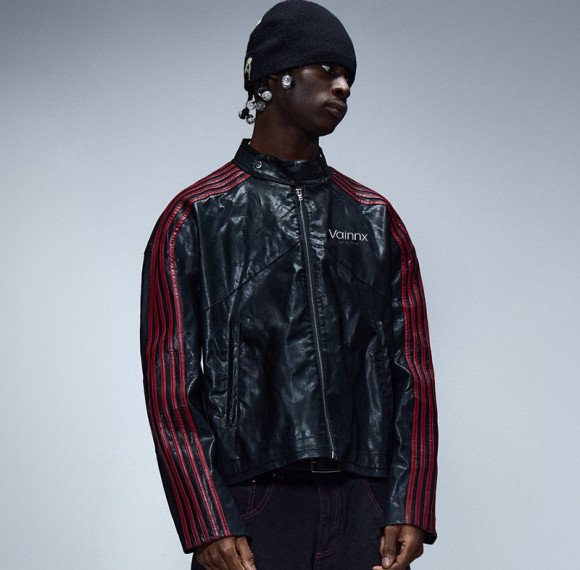
This offers more branding control than standard blanks but less originality than full custom manufacturing.
Cut-and-Sew Manufacturing
The garment is developed according to your specifications.
This may include:
- Custom patterns
- Original measurements
- Selected fabrics
- Custom colors
- Special pockets
- Unique panels
- Printing
- Embroidery
- Garment washing
Choose cut-and-sew production when the fit, construction, and fabric are important parts of your brand identity.
OEM vs ODM
| Model | What the Brand Provides | What the Manufacturer Provides |
|---|---|---|
| OEM | Complete design and specifications | Production and technical execution |
| ODM | Concept, references, or product direction | Design development and manufacturing |
| Private label | Logo and branding requirements | Existing or lightly modified products |
| Blank customization | Artwork | Blank garments and decoration |
Brands needing complete development support can review FuKi Apparel OEM and ODM Services.
Step 1: Prepare the Product Specification
A manufacturer needs measurable instructions before it can provide an accurate quotation or sample.
A complete product file should include:
- Front and back drawings
- Product dimensions
- Size chart
- Measurement method
- Fabric composition
- Target GSM
- Colors
- Construction details
- Stitching requirements
- Artwork files
- Decoration dimensions
- Label information
- Packaging instructions
Example Streetwear T-Shirt Specification
| Specification | Example Requirement |
|---|---|
| Product | Oversized T-shirt |
| Composition | 100% cotton |
| Fabric | Single jersey |
| Weight | 250 GSM |
| Fit | Boxy with dropped shoulders |
| Color | Washed black |
| Collar | 2.5 cm rib collar |
| Decoration | Large back screen print |
| Sizes | S–XXL |
| Branding | Neck label, care label, hangtag |
| Packaging | Individual recycled polybag |
Use Measurable Language
Avoid instructions such as:
- Make it more premium.
- Use a slightly oversized fit.
- Make the print large.
- Use a soft fabric.
- Place the logo near the chest.
Replace them with:
- Use 250 GSM cotton jersey with a dense, dry hand feel.
- Increase half-chest by 3 cm.
- Use a 32 cm-wide back print.
- Position the chest logo 8 cm below the shoulder seam.
- Keep finished body length within the stated tolerance.
Clear specifications reduce quotation differences and sample revisions.
Step 2: Source and Approve the Fabric
Fabric affects fit, comfort, decoration, washing, cost, and delivery time.
Do not approve it using GSM alone.
Check:
- Fiber composition
- Knitted or woven construction
- Finished weight
- Width
- Thickness
- Density
- Surface texture
- Stretch
- Recovery
- Opacity
- Shrinkage
- Pilling
- Colorfastness
- Reorder availability
Stock Fabric vs Custom Fabric
| Factor | Stock Fabric | Custom Fabric |
|---|---|---|
| Minimum quantity | Usually lower | Usually higher |
| Lead time | Shorter | Longer |
| Color options | Existing colors | Custom development |
| Composition and GSM | Predetermined | Can be adjusted |
| Development risk | Lower | Higher |
| Brand differentiation | Moderate | Higher |
| Best use | First orders and product tests | Signature or repeat products |
I normally recommend stock fabric for a new or untested product. Custom fabric becomes more practical when the product has confirmed demand or requires a unique material.
Explore stock and custom material options through FuKi Apparel Custom Fabric Services.
Approve the Bulk Fabric Before Cutting
The bulk fabric should be compared with the approved sample for:
- Color
- GSM
- Hand feel
- Width
- Stretch
- Surface
- Shrinkage
- Shade variation
A suitable sample fabric does not guarantee that the production fabric will be identical. Keep an approved physical swatch as the standard.
Step 3: Develop the Pattern and Sample
Pattern making converts a design into garment panels that can be cut and sewn.
The pattern controls:
- Silhouette
- Shoulder position
- Body width
- Garment length
- Sleeve shape
- Hood shape
- Pocket position
- Front-to-back balance
Oversized Fit Requires a Custom Pattern
An oversized garment should not simply be a regular garment graded several sizes larger.
A controlled oversized pattern may change:
- Shoulder width
- Chest width
- Body length
- Armhole depth
- Sleeve opening
- Neckline
- Hem width
For original oversized proportions, review FuKi Apparel Oversized T-Shirt Manufacturing.
Common Sample Types
| Sample Type | Purpose |
|---|---|
| Prototype | Tests the general design |
| Fit sample | Confirms measurements and silhouette |
| Decoration sample | Tests print or embroidery |
| Size-set sample | Checks grading across sizes |
| Pre-production sample | Establishes the final bulk standard |
| Sales sample | Used for buyer presentations or photography |
Not every project requires every sample type. Complex products need more development than basic repeat styles.
How to Review a Sample
Check the sample in this order:
- Overall silhouette
- Fabric and color
- Measurements
- Construction
- Decoration
- Comfort and movement
- Washing performance
- Labels and packaging
Give measurable comments instead of general opinions.
Step 4: Confirm Printing, Embroidery, and Washing
Decoration should be developed on the actual production fabric.
Common streetwear techniques include:
- Screen printing
- Puff printing
- DTG
- DTF transfer
- High-density printing
- Embroidery
- Puff embroidery
- Appliqué
- Patches
- Silicone printing
- Rhinestones
Explore available processes through FuKi Apparel Custom Printing Services.
Match the Method to the Artwork
| Artwork Requirement | Suitable Starting Method |
|---|---|
| Bold solid graphic | Screen printing |
| Detailed full-color artwork | DTG or DTF |
| Raised lettering | Puff printing |
| Small premium logo | Embroidery |
| Large raised initials | Puff embroidery |
| Technical flexible logo | Silicone printing |
| Vintage graphic | Screen print combined with wash testing |
Approve a Physical Test
A digital mockup cannot show:
- Ink texture
- Thread shine
- Print thickness
- Fabric puckering
- Real color
- Raised height
- Wash durability
Approve a physical print strike-off, embroidery sew-out, or finished decoration sample before bulk production.
Confirm the Production Sequence
The sequence matters when the product includes garment washing.
Possible workflows include:
- Sew → wash → print
- Print → sew → wash
- Sew → print → wash
- Sew → wash → embroider
The correct sequence depends on the intended appearance and technique.
For example, washing after printing may help create an aged graphic, but it may also change the print color, height, and durability.
Step 5: Approve the Pre-Production Sample
The pre-production sample should represent the final bulk garment as closely as possible.
It should use:
- Approved fabric
- Final color
- Correct pattern
- Bulk construction
- Final decoration
- Production labels
- Approved packaging
Pre-Production Approval Checklist
| Area | What to Confirm |
|---|---|
| Fit | Correct silhouette and balance |
| Measurements | Within approved tolerances |
| Fabric | Correct composition, GSM, and hand feel |
| Color | Matches the approved reference |
| Construction | Correct seams, pockets, and details |
| Decoration | Correct artwork, scale, and placement |
| Washing | Approved fade, softness, and variation |
| Labels | Correct content and positioning |
| Packaging | Correct folding, bag, and stickers |
Do not approve the sample with a long list of corrections that have not been physically verified.
When the manufacturer makes an important change, request updated evidence or a revised sample before authorizing production.
Step 6: Start Bulk Production
After approval, the manufacturer prepares the materials and production line.
A typical bulk workflow includes:
- Ordering or allocating fabric
- Inspecting materials
- Relaxing the fabric
- Creating cutting markers
- Cutting garment panels
- Bundling by size
- Printing or embroidery
- Sewing
- Garment washing
- Finishing
- Thread trimming
- Pressing
- Measurement checks
- Packaging
The exact order changes according to the product.
First-Piece Approval
Before the full order continues, check the first production pieces for:
- Measurements
- Sewing
- Decoration
- Labels
- Wash result
- Finishing
This is one of the most valuable manufacturing checkpoints because corrections can still be made before the issue affects the entire order.
Step 7: Control Quality During Production
Quality control should happen throughout manufacturing—not only after packing.
Four Useful QC Stages
Incoming Material Inspection
Check fabric, rib, zippers, labels, thread, buttons, and packaging before production.
First-Article Inspection
Inspect the first completed pieces from each major operation.
In-Line Inspection
Check garments while production is running.
This helps identify repeated problems such as:
- Incorrect measurements
- Uneven stitching
- Wrong print placement
- Pocket misalignment
- Color variation
Final Inspection
Inspect finished and packed garments against the approved specification.
Defect Classification
| Defect Type | General Meaning | Example |
|---|---|---|
| Critical | Safety or serious compliance problem | Sharp object inside a garment |
| Major | Affects use or saleability | Open seam or incorrect graphic |
| Minor | Small workmanship issue | Removable loose thread |
Random sampling plans may use AQL-based acceptance criteria, but high-risk details can still require a 100% check.
FuKi Apparel describes its material, in-line, finishing, and final checks through its Streetwear Quality Control Service.
The AATCC Testing and Standards Resource provides textile test methods covering areas such as laundering, dimensional change, appearance, and colorfastness.
Step 8: Complete Labeling and Packaging
Streetwear packaging should protect the product without creating unnecessary cost or shipping volume.
Possible components include:
- Main brand label
- Size label
- Care and composition label
- Hangtag
- Barcode sticker
- Individual bag
- Tissue paper
- Branded box
- Shipping carton
FuKi Apparel offers custom labels and packaging through its Private Label Streetwear Service.
US Labeling Considerations
For products sold in the United States, most covered textile products need appropriate information about:
- Fiber content
- Country of origin
- Manufacturer or responsible business identity
- Care instructions
Brands should review the FTC Clothing and Textiles Guidance before approving production labels.
The brand or importer should confirm its exact legal obligations for the intended market.
Step 9: Arrange Inspection and Shipping
Do not book final shipment before confirming:
- Finished quantity
- Final inspection result
- Carton dimensions
- Gross and net weight
- Units per carton
- Packing list
- Shipping marks
- Delivery address
- Trade term
Common Shipping Options
| Method | Best Use |
|---|---|
| Express courier | Samples and very small urgent shipments |
| Air freight | Time-sensitive medium shipments |
| Sea freight | Larger orders with flexible delivery dates |
| Rail freight | Selected international routes |
| Combined shipping | Balancing cost and delivery time |
Confirm the Incoterm
Incoterms clarify responsibilities for costs, transport, insurance, customs procedures, and delivery stages.
Common terms include:
- EXW
- FOB
- CIF
- DDP
Review the Trade.gov Incoterms Guide and confirm which services are included in every freight quotation.
Do not compare an EXW price directly with a DDP price without calculating the complete landed cost.
Typical Timeline and Cost Drivers
Streetwear manufacturing time depends on product complexity, materials, sample revisions, order size, and factory schedule.
Example Production Timeline
| Stage | Typical Planning Range |
|---|---|
| Specification review | 2–5 days |
| Fabric sourcing | 3–14 days |
| Pattern and sample | 7–15 days |
| Sample revisions | Depends on comments |
| Bulk material preparation | 10–30 days |
| Bulk production | 20–40 days |
| Final inspection and packing | 2–5 days |
| Shipping | Depends on method and destination |
These ranges are planning references, not guaranteed schedules.
Main Cost Drivers
Production cost is affected by:
- Fabric type and GSM
- Garment consumption
- Pattern complexity
- Number of panels
- Custom colors
- Decoration size
- Number of print placements
- Embroidery stitch count
- Garment washing
- Custom hardware
- Labels
- Packaging
- Order quantity
The cheapest product is usually the simplest product that still protects the customer-visible value.
How to Choose a Streetwear Manufacturer
Compare manufacturers using the same product specification.
Manufacturer Scorecard
| Category | Suggested Weight |
|---|---|
| Relevant product experience | 20% |
| Sample quality | 20% |
| Technical communication | 15% |
| Fabric and decoration capability | 15% |
| Quality-control process | 10% |
| Price transparency | 5% |
| MOQ | 5% |
| Lead time | 5% |
| Reorder capability | 5% |
| Total | 100% |
Ask every potential partner:
- Have you produced similar products?
- Which processes are completed internally?
- Which processes are subcontracted?
- How is bulk fabric approved?
- How are measurements controlled?
- What happens when defects are found?
- Can you reproduce the same product later?
- What is included in the quotation?
- What approvals are required before production?
Do not choose only by the lowest unit price. A slightly higher quotation may provide better sampling, stronger materials, clearer quality control, and fewer hidden costs.
Frequently Asked Questions
What is streetwear manufacturing?
Streetwear manufacturing is the complete process of turning a design into finished garments through specifications, fabric sourcing, pattern making, sampling, decoration, sewing, quality control, packaging, and shipping.
Do I need a tech pack?
A tech pack is strongly recommended for custom products. It helps manufacturers quote, sample, measure, and produce the garment consistently.
What is the difference between OEM and ODM?
OEM production follows specifications provided by the brand. ODM production includes more product-development or design support from the manufacturer.
How many samples are needed?
A basic product may require one or two rounds. Complex fits, washes, fabrics, or decorations may require additional samples.
Should I use stock or custom fabric?
Use stock fabric for lower risk and faster development. Choose custom fabric when the material is essential to the product and the order can meet the required minimum.
When should bulk production begin?
Bulk production should begin only after the fabric, fit, measurements, construction, decoration, labels, packaging, price, and schedule are approved.
Is final inspection enough?
No. In-line checks identify repeated problems while there is still time to correct them. Final inspection should confirm the result, not become the first quality check.
How can I reduce production problems?
Use clear specifications, approve physical samples, record changes in writing, inspect early production, and keep approved materials and garments as standards.
Final Manufacturing Checklist
Before confirming a streetwear order, make sure you have approved:
- Product specification
- Size chart and tolerances
- Fabric and color
- Pattern and fit
- Printing or embroidery
- Wash effect
- Labels
- Packaging
- Sample
- Unit price
- Production quantity
- Lead time
- Quality standard
- Shipping term
My main recommendation is:
Treat streetwear manufacturing as a sequence of approvals. Do not move to the next production stage until the current standard is clear, measurable, and physically confirmed.
A strong manufacturer should not only make the garment. It should help identify production risks, maintain approved standards, and communicate clearly when a decision affects quality, cost, or delivery.
FuKi Apparel supports streetwear brands with product development, fabric sourcing, pattern making, sampling, printing, embroidery, garment washing, private labels, quality control, packaging, and bulk production.
Explore FuKi Apparel Streetwear Manufacturing Services or contact the FuKi Apparel team to discuss your project.