
Finding a streetwear manufacturer is not difficult. Finding one that understands your product, communicates clearly, produces accurate samples, and maintains consistent bulk quality is the real challenge.
From my experience working with streetwear brands, I recommend using a simple selection funnel:
- Define your product before searching.
- Find 15–30 possible manufacturers.
- Shortlist 5–10 based on relevant experience.
- Request detailed quotations from 3–5 companies.
- Develop samples with the best 2–3 candidates.
- Place a controlled first order with the strongest partner.
Quick answer: Search through specialized manufacturer websites, industry directories, trade shows, referrals, and sourcing networks. Then verify each company through product evidence, clear quotations, physical samples, quality-control procedures, and a small trial order.
Table of Contents
- Define What You Need Before Searching
- Where to Find Streetwear Manufacturers
- Use Better Search Terms
- Build a Manufacturer Shortlist
- Send a Clear First Inquiry
- Verify the Company
- Compare Quotations Correctly
- Test Manufacturers Through Sampling
- Choose Local or Overseas Production
- Place a Controlled First Order
- Red Flags to Avoid
- Frequently Asked Questions
- Final Recommendation
Define What You Need Before Searching
Do not begin by searching for “the best clothing factory.”
First, define the type of manufacturer your project actually requires.
A useful sourcing brief should include:
- Product category
- Reference images or technical drawings
- Target fit
- Fabric composition
- Preferred GSM
- Colors
- Printing or embroidery
- Wash treatment
- Size range
- Estimated quantity
- Private-label requirements
- Packaging
- Delivery destination
- Target launch date
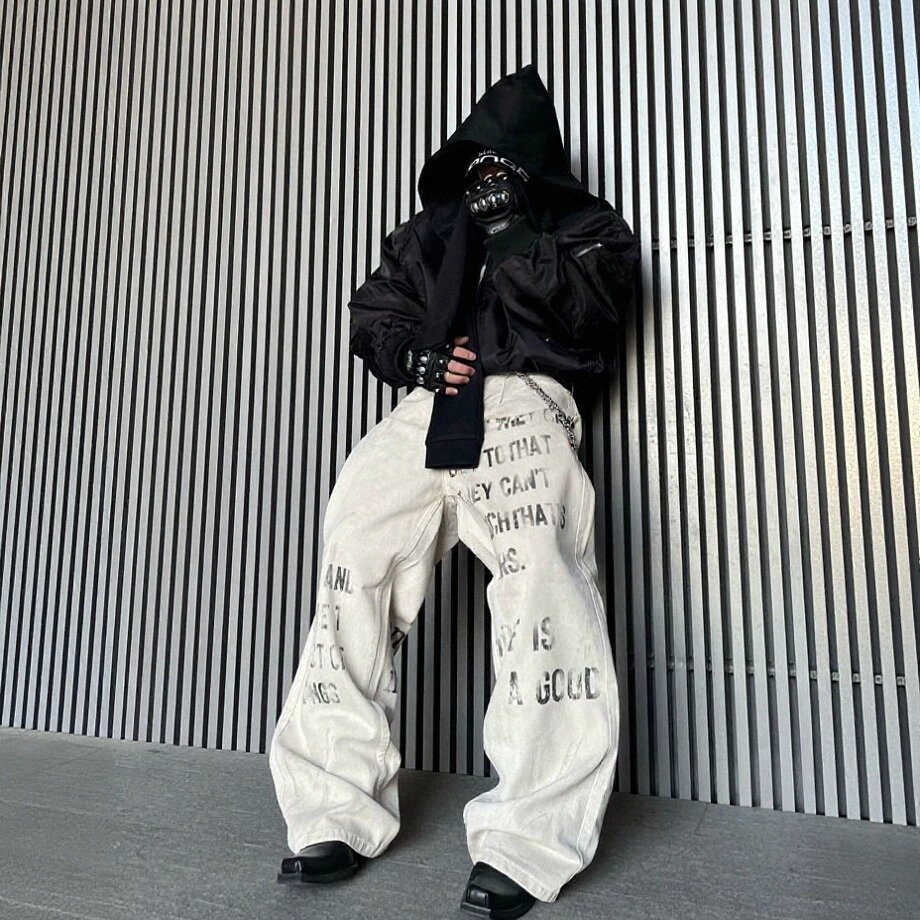
Example Product Brief
| Requirement | Example |
|---|---|
| Product | Oversized T-shirt |
| Fabric | 100% cotton jersey |
| Weight | 260 GSM |
| Fit | Boxy with dropped shoulders |
| Color | Washed black |
| Decoration | Large back screen print |
| Sizes | S–XXL |
| Quantity | 100 pieces |
| Branding | Neck label, care label, and hangtag |
| Market | United States |
This information helps you search for a manufacturer with the correct capabilities.
For example, a blank T-shirt printer may not be suitable when you need custom patterns, heavyweight fabric, garment washing, and private-label finishing.
Brands requiring product-development support can review FuKi Apparel OEM and ODM Services.
Where to Find Streetwear Manufacturers
I recommend using several search channels rather than depending on one directory.
| Search Channel | Best Use | Main Risk |
|---|---|---|
| Manufacturer websites | Finding specialized production partners | Website claims may be difficult to verify |
| Search engines | Discovering niche manufacturers | Results may include traders and resellers |
| B2B sourcing platforms | Comparing many companies quickly | Product listings may not show real capabilities |
| Trade-show directories | Finding active industry suppliers | Participation does not guarantee quality |
| Brand referrals | Finding proven production partners | The manufacturer may not suit your product |
| Local fashion networks | Easier communication and visits | Production costs may be higher |
| Sourcing agents | Accessing several factories | Responsibility and fees must be clear |
| Social media | Reviewing recent production content | Content may be selective or outdated |
Manufacturer Websites
A specialized website should explain:
- Products manufactured
- Customization options
- Materials
- Printing and embroidery
- Sampling process
- MOQ
- Quality control
- Contact information
Look for detailed product-development information rather than only attractive garment photographs.
Trade Shows and Industry Events
Trade shows can help you meet manufacturers, fabric mills, printers, and trim suppliers in one place.
Before attending, review the exhibitor directory and create a shortlist based on:
- Product specialization
- Country
- Certification
- Production capacity
- Customization services
Referrals
Ask designers, pattern makers, printers, sourcing consultants, and other clothing brands for recommendations.
A referral is useful, but you should still evaluate the manufacturer independently. A supplier that works well for basic T-shirts may not be suitable for denim, jackets, or washed garments.
Use Better Search Terms
Broad searches produce broad results.
Instead of searching only for:
clothing manufacturer
Use product-specific searches such as:
- custom oversized T-shirt manufacturer
- streetwear cut-and-sew manufacturer
- heavyweight hoodie manufacturer
- garment-wash clothing manufacturer
- private-label streetwear manufacturer
- custom cargo pants manufacturer
- low-MOQ streetwear manufacturer
- streetwear embroidery and printing factory
- OEM streetwear manufacturer in China
- custom clothing manufacturer for startup brands
Add the Most Important Production Requirement
Use searches such as:
- streetwear manufacturer with pigment washing
- hoodie manufacturer with puff printing
- T-shirt manufacturer with custom pattern making
- streetwear manufacturer with low MOQ
- denim manufacturer with vintage washing
This filters out suppliers that cannot handle the feature most important to your product.
The more specific your search is, the easier it becomes to find a manufacturer whose normal production already matches your project.
Build a Manufacturer Shortlist
Do not contact every company you find.
Create an initial list, then remove suppliers that clearly do not match your requirements.
First-Round Screening Checklist
Check whether the company:
- Produces your product category
- Shows similar garments
- Supports custom patterns
- Offers the required fabric
- Provides your decoration method
- Accepts your approximate quantity
- Ships to your market
- Has clear contact information
- Explains its production process
- Offers physical sampling
Shortlist Funnel
| Stage | Recommended Number | Main Action |
|---|---|---|
| Initial research | 15–30 | Collect possible manufacturers |
| Website screening | 8–12 | Remove unsuitable suppliers |
| First inquiry | 5–8 | Evaluate communication and capability |
| Detailed quotation | 3–5 | Compare identical specifications |
| Sampling | 2–3 | Test actual performance |
| Trial production | 1 | Confirm bulk reliability |
This process prevents you from spending sample fees with too many unsuitable companies.
Do Not Judge Only by Product Photos
Product photographs can be copied, edited, or taken from unrelated projects.
Look for stronger evidence:
- Close-up production images
- Fabric and trim information
- Sample-development records
- Printing tests
- Quality-control examples
- Packaging details
- Recent production videos
Send a Clear First Inquiry
Your first message should help the manufacturer decide whether it can produce the garment.
Avoid sending only:
Hi, please send your catalog and best price.
A better inquiry is:
Hello, we are developing an oversized streetwear T-shirt for the US market. The design uses 260 GSM cotton jersey, a washed-black finish, dropped shoulders, a large back screen print, custom neck labels, and sizes S–XXL. Our estimated first order is 100 pieces. Please confirm whether you can develop this product, your MOQ, sample process, approximate lead time, and what information you need for a quotation.
Information to Attach
Include:
- Front and back drawings
- Reference photos
- Measurement chart
- Artwork dimensions
- Color references
- Fabric requirements
- Quantity
- Required delivery date
What a Good Reply Looks Like
A useful manufacturer normally:
- Confirms which requirements are possible
- Asks technical questions
- Explains fabric options
- Clarifies the MOQ
- Separates sample and bulk lead times
- Identifies possible production risks
- Requests missing specifications
My rule is simple:
A good manufacturer is not the one that says “yes” fastest. It is the one that asks enough questions to understand what could go wrong.
Verify the Company
Before paying for bulk production, verify that the company information is consistent.
Check:
- Registered business name
- Business address
- Website domain
- Company email
- Bank-account name
- Main product category
- Years of relevant experience
- Export markets
- Production responsibilities
- Subcontracted processes
The Trade.gov Due Diligence Guide explains why businesses should investigate potential international partners before entering commercial agreements.
Ask for Practical Evidence
Request:
- A live video call
- A factory or production walkthrough
- Business registration documents
- Current production photos
- Similar product samples
- Fabric swatches
- Quality-control records
- Packaging examples
A production partner may subcontract special washing, printing, or embroidery. Subcontracting is common in apparel, but the company should explain who controls quality and accepts responsibility for the final result.
Verify Certifications Separately
When certifications matter, confirm:
- Certificate holder
- Validity period
- Facility address
- Certification scope
- Materials covered
Useful official databases include the GOTS Certified Suppliers Database and the OEKO-TEX Buying Guide.
Compare Quotations Correctly
Manufacturers can quote different prices because they are not quoting the same product.
Before comparing prices, confirm that each quotation uses the same:
- Fabric composition
- Finished GSM
- Pattern
- Measurements
- Wash treatment
- Printing method
- Artwork size
- Labels
- Packaging
- Quantity
- Shipping term
Quotation Comparison Table
| Item | Manufacturer A | Manufacturer B | Manufacturer C |
|---|---|---|---|
| Fabric | 260 GSM cotton | 240 GSM cotton | 260 GSM cotton blend |
| Pattern | Fully custom | Modified existing fit | Fully custom |
| Washing | Pigment wash | Enzyme wash | No wash |
| Printing | Screen print | Heat transfer | Screen print |
| Labels | Included | Extra charge | Included |
| Packaging | Included | Standard bag | Included |
| Sample | Charged | Charged | Charged |
| Bulk lead time | Confirmed | Estimated | Confirmed |
A lower price may result from lighter fabric, a simpler wash, standard sizing, or a different printing method.
Do not ask only:
What is your best price?
Ask:
What specification is included in this price?
Test Manufacturers Through Sampling
Sampling is the most useful part of manufacturer selection.
It shows whether the supplier can turn written requirements into a physical garment.
Evaluate More Than the Finished Sample
During sampling, check:
- Technical understanding
- Response speed
- Accuracy of the first sample
- Ability to follow comments
- Problem-solving
- Fabric sourcing
- Measurement control
- Decoration quality
- Documentation
Physical Sample Checklist
| Area | What to Check |
|---|---|
| Fabric | Composition, GSM, hand feel, and color |
| Fit | Silhouette, proportions, and movement |
| Measurements | Accuracy against the size chart |
| Sewing | Seam strength, alignment, and finishing |
| Printing | Color, position, coverage, and curing |
| Embroidery | Density, edges, backing, and puckering |
| Washing | Shrinkage, twisting, fading, and pilling |
| Branding | Labels, spelling, hangtags, and packaging |
Streetwear brands can review available production techniques through FuKi Apparel Custom Printing Services.
For custom silhouettes, see the Oversized T-Shirt Manufacturing Service.
Compare the Manufacturer, Not Only the Garment
A first sample may need revisions. That does not automatically mean the manufacturer is unsuitable.
I pay attention to whether the supplier:
- Understands the problem
- Explains its cause
- Records the correction
- Improves the next sample
- Prevents the issue from returning
Choose Local or Overseas Production
Both options can work.
| Factor | Local Manufacturer | Overseas Manufacturer |
|---|---|---|
| Communication | Often easier | Requires stronger documentation |
| Factory visits | More convenient | Requires travel or video verification |
| Shipping time | Usually shorter | Usually longer |
| Production cost | Often higher | May be more competitive |
| Supplier network | May be limited | Can offer broader specialization |
| MOQ | Varies | Varies by product and material |
| Development control | Easier in person | Strong when systems are well managed |
Choose Local Production When
- Fast replenishment is important.
- You need frequent physical meetings.
- Your quantities are small.
- Local manufacturing supports your positioning.
- Higher production cost is commercially acceptable.
Choose Overseas Production When
- You need broader fabric and process options.
- Your quantity supports international production.
- You can manage sampling and shipping time.
- Competitive full-package manufacturing is important.
- You have clear specifications and quality controls.
The right choice depends on total landed cost, not only the factory price.
Place a Controlled First Order
A good sample does not guarantee consistent bulk production.
The first order should test whether the manufacturer can repeat the approved standard across multiple garments.
For a new partnership, I recommend:
- One or two styles
- Limited colors
- A controlled quantity
- Clear measurement tolerances
- Written production approvals
- In-line inspection
- Final inspection before shipment
Review the production-stage checking process through FuKi Apparel Streetwear Quality Control.
What the First Order Should Prove
The manufacturer should demonstrate:
- Bulk fabric matches the approval
- Measurements remain consistent
- Printing or embroidery is repeatable
- Delivery dates are communicated honestly
- Defects are identified and corrected
- Packaging follows instructions
- Production records can support reorders
Increase quantities only after the first order performs well.
Red Flags to Avoid
Be cautious when a manufacturer:
- Quotes without reviewing the design
- Agrees to every requirement immediately
- Cannot explain its fabric
- Uses inconsistent company information
- Refuses to provide a physical sample
- Avoids video calls
- Pressures you to pay quickly
- Changes bank details unexpectedly
- Promises an unrealistic delivery date
- Cannot explain its quality process
- Refuses to confirm specifications in writing
- Offers a price far below comparable quotations
One unusual issue may have a reasonable explanation. Several warning signs together indicate a higher sourcing risk.
For US-market products, also confirm that the partner can support correct textile and care labeling. The FTC Clothing and Textiles Guidance explains the main federal labeling requirements.
Frequently Asked Questions
Where can I find streetwear manufacturers?
Use specialized manufacturer websites, search engines, B2B platforms, trade-show directories, fashion networks, referrals, and sourcing agents.
How many manufacturers should I contact?
Research 15–30 possible companies, contact approximately 5–8 suitable candidates, and sample with the best 2–3.
How do I know whether a streetwear manufacturer is legitimate?
Verify its company name, address, bank information, production evidence, product experience, business documents, samples, and quality-control procedures.
Should I choose the manufacturer with the lowest MOQ?
Not automatically. Confirm what level of fabric, fit, washing, decoration, and labeling is available at that MOQ.
Do I need a tech pack?
A tech pack is strongly recommended for custom production. Some ODM manufacturers can also develop specifications from sketches, references, and physical samples.
Should I pay for a sample?
Custom samples are normally paid because they require fabric sourcing, pattern development, sewing, and decoration setup. The important question is what the sample fee includes.
Can I find a manufacturer without visiting the factory?
Yes. Use video calls, business verification, physical samples, inspection reports, third-party checks, and a controlled trial order.
What should I check before placing a bulk order?
Approve the fabric, fit, measurements, construction, decoration, wash result, labels, packaging, price, lead time, and quality standard.
Final Recommendation
To find a reliable streetwear manufacturer:
- Define your product requirements.
- Search through several sourcing channels.
- Use product-specific search terms.
- Build a focused shortlist.
- Send a detailed inquiry.
- Verify the business and production process.
- Compare identical specifications.
- Test the best candidates through samples.
- Begin with a controlled trial order.
- Increase volume only after consistent performance.
My main recommendation is:
Do not search for a manufacturer that can make clothing. Search for a partner that already understands the fabric, fit, decoration, and production risks of your specific streetwear product.
FuKi Apparel supports streetwear brands with fabric sourcing, pattern development, sampling, printing, embroidery, garment washing, private labels, packaging, quality control, and bulk production.
Visit FuKi Apparel or contact the streetwear production team to discuss your collection.
