
The safest way to reduce streetwear production costs is to simplify the collection, control the number of SKUs, use shared materials, choose decoration methods carefully, and prevent mistakes before bulk production.
From my experience developing custom streetwear, the lowest quotation does not always create the lowest final cost. A cheaper factory can become expensive when the order includes poor samples, defective garments, delayed delivery, or unsold inventory.
Quick answer: Reduce cost by simplifying the product—not by removing the quality customers can see and feel. Protect the fabric, fit, construction, and main decoration while reducing unnecessary colors, trims, panels, packaging, and inventory.
Table of Contents
- Where Streetwear Production Costs Come From
- Calculate the Real Cost per Sellable Garment
- Start With Fewer Styles and SKUs
- Use Fabrics More Efficiently
- Simplify Garment Construction
- Choose Cost-Effective Decoration
- Use MOQ and Reorders Carefully
- Prevent Sampling and Quality Costs
- Reduce Packaging and Shipping Costs
- What You Should Not Make Cheaper
- Cost-Reduction Plan by Brand Situation
- Frequently Asked Questions
- Final Recommendation
Where Streetwear Production Costs Come From
Streetwear production cost is more than fabric and sewing.
| Cost Area | Typical Items |
|---|---|
| Product development | Tech packs, patterns, samples, revisions |
| Materials | Main fabric, rib, lining, thread, trims |
| Construction | Cutting, sewing, pockets, panels, finishing |
| Decoration | Printing, embroidery, patches, washing |
| Branding | Neck labels, care labels, hangtags |
| Packaging | Polybags, boxes, tissue, stickers |
| Quality control | Testing, inspection, defect replacement |
| Logistics | Freight, insurance, duties, local delivery |
| Inventory risk | Unsold colors, sizes, and designs |
I divide costs into two groups:
Visible Value
These are details customers can recognize:
- Fabric hand feel
- Fit
- Print or embroidery quality
- Sewing quality
- Wash effect
- Product durability
Hidden Complexity
These details often increase cost without adding equal customer value:
- Too many colorways
- Unnecessary internal trims
- Multiple custom hardware pieces
- Excessive packaging
- Several small print placements
- Complicated panels hidden inside the garment
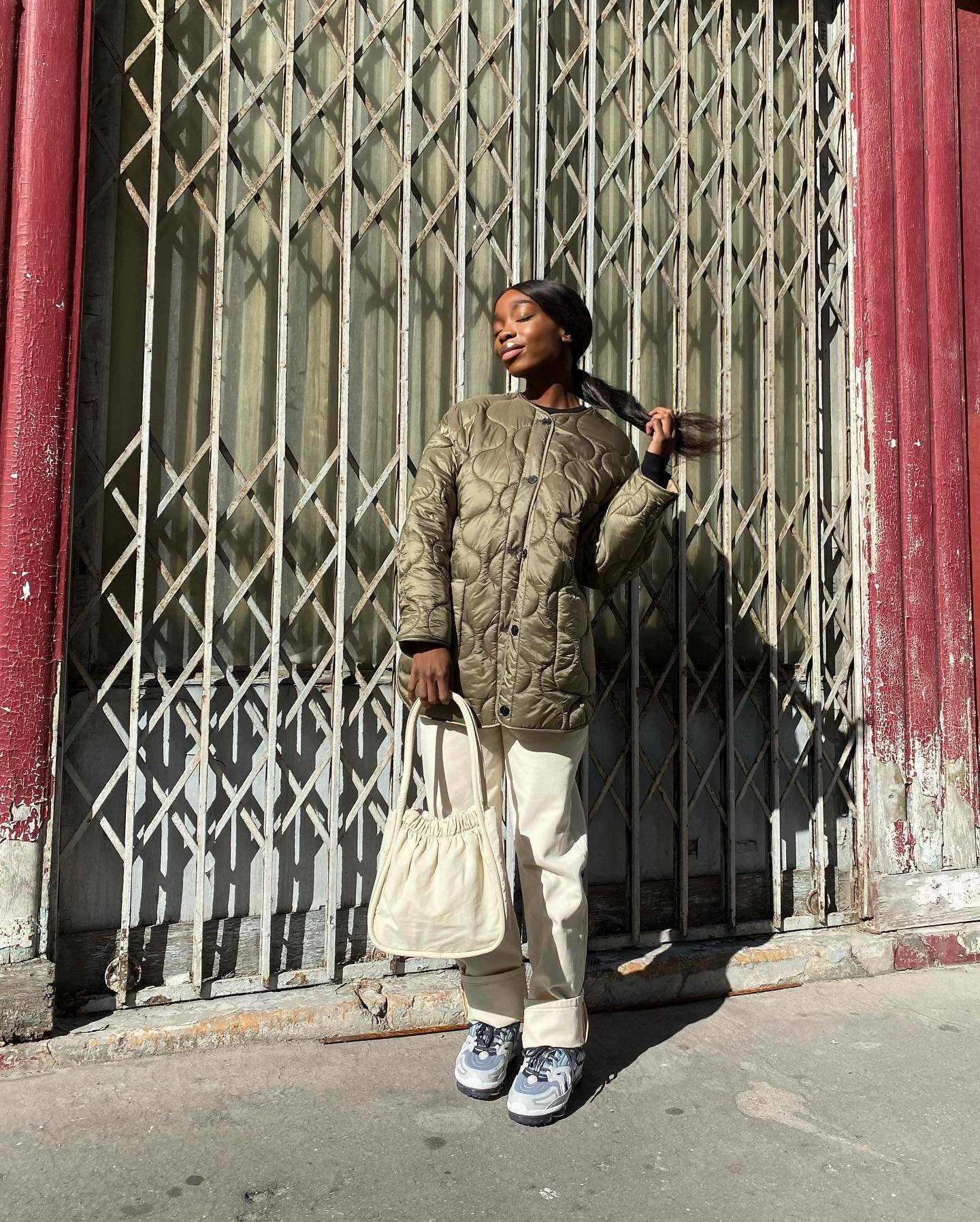
The best cost reduction usually comes from removing hidden complexity while protecting visible value.
Calculate the Real Cost per Sellable Garment
Do not compare suppliers using only the quoted unit price.
Use this calculation:
Real cost per sellable garment = Total project cost ÷ Number of acceptable garments
The total project cost should include:
- Sampling
- Bulk garments
- Labels and packaging
- Inspection
- Freight
- Import duties
- Payment fees
- Defective products
- Local delivery
Simple Example
| Cost Item | Amount |
|---|---|
| 100 garments | $1,500 |
| Samples | $150 |
| Packaging | $100 |
| Freight and duties | $500 |
| Total cost | $2,250 |
The quoted garment price may be $15, but the landed cost is already $22.50 per piece.
When five garments are defective, only 95 garments remain sellable:
$2,250 ÷ 95 = $23.68 per sellable garment
This is why quality problems can remove the savings created by a cheaper quotation.
The SBA Startup Cost Guide recommends including inventory and other one-time and ongoing expenses when calculating business costs. Its Break-Even Guide can also help brands connect production costs with pricing and sales targets.
Start With Fewer Styles and SKUs
A small collection is usually cheaper to develop, manufacture, photograph, store, and market.
Use this formula:
Total SKUs = Styles × Colors × Sizes
For example:
- 3 styles
- 4 colors
- 5 sizes
This creates 60 SKUs.
With an order of 300 garments, each SKU averages only five pieces. Some sizes may sell out immediately while slower colors remain in storage.
A More Efficient First Collection
I normally recommend:
- One or two hero products
- One or two colors per product
- Four or five core sizes
- One main fabric direction
- One recognizable decoration technique
| Collection Plan | Development Risk | Inventory Risk |
|---|---|---|
| 1 style, 2 colors | Low | Low |
| 2 styles, 2 colors | Manageable | Manageable |
| 5 styles, 4 colors | High | High |
| Many small designs | Very high | Very high |
A focused collection does not mean a weak collection. Different artwork, styling, photography, and content can make a small product range feel complete.
Use Fabrics More Efficiently
Fabric is usually one of the largest production expenses.
Use Available Fabrics
Stock fabrics can reduce:
- Custom knitting minimums
- Dyeing minimums
- Lab-dip fees
- Development time
- Surplus material
- Color-matching risk

Custom fabric is worthwhile when the material itself is central to the product. For a first test order, an available fabric with the correct weight and hand feel may be more practical.
Explore available and custom material options through FuKi Apparel Custom Fabric Services.
Share Fabric Across Products
One fabric can sometimes be used for several garments.
For example, the same French terry may produce:
- A hoodie
- Sweatpants
- Shorts
- A sweatshirt
This helps the brand meet fabric minimums while reducing leftover material.
Reduce Custom Colors
Custom dyeing normally requires more setup than using available colors.
For a first order, consider commercially useful shades such as:
- Black
- Gray
- Navy
- Cream
- Brown
- Olive
A signature custom color can be added after demand has been tested.
Do Not Choose by GSM Alone
A higher GSM fabric normally costs more and increases freight weight, but it does not automatically provide better quality.
Choose the lightest fabric that still provides the required:
- Structure
- Opacity
- Durability
- Drape
- Retail positioning
The Textile Exchange Fiber and Materials Matrix can help brands compare material sourcing options using a broader decision framework.
Simplify Garment Construction
Every panel, seam, pocket, zipper, and custom trim adds production work.
Details That Commonly Increase Cost
- Multiple contrast panels
- Double-layer hoods
- Complex cargo pockets
- Hidden zipper pockets
- Custom metal hardware
- Decorative topstitching
- Distressing
- Bonded seams
- Detachable components
- Special lining
Before removing a detail, ask:
Will the customer notice and value this feature?
Keep the feature when it defines the product. Simplify it when it adds production time but little selling value.
Lower-Cost Construction Alternatives
| Expensive Direction | More Efficient Alternative |
|---|---|
| Several cut-and-sew panels | One clean body panel |
| Custom metal zipper pull | Quality available zipper |
| Four cargo pockets | Two functional pockets |
| Fully lined garment | Partial lining where suitable |
| Several contrast fabrics | One main fabric |
| Multiple adjustable systems | One useful adjustment |
| Complex internal branding | Simple care and neck labels |
A simple product can still feel premium when the fit, fabric, stitching, and finishing are well controlled.
Brands that need help simplifying a design for production can review FuKi Apparel OEM and ODM Services.
Choose Cost-Effective Decoration
Printing and embroidery costs depend on the artwork, size, placement, quantity, and fabric.
Reduce the Number of Placements
A hoodie with decoration on the chest, back, both sleeves, hood, and pocket requires several separate production setups.
For a first order, one strong back graphic and one small chest logo may provide enough visual identity.
Match the Method to the Artwork
| Artwork Requirement | Practical Method |
|---|---|
| Bold one-color logo | Screen printing |
| Large two-color graphic | Screen printing |
| Full-color detailed artwork | DTG or DTF |
| Raised lettering | Puff printing |
| Small premium logo | Embroidery |
| Technical flexible logo | Silicone printing |
| Polyester all-over graphic | Sublimation |
Screen printing is often cost-effective for larger orders with fewer colors. DTG or DTF may be more practical for smaller quantities with complex color artwork.
Simplify Embroidery
Embroidery cost is strongly affected by stitch count.
To control the cost:
- Reduce unnecessary filled areas
- Avoid oversized dense embroidery
- Use fewer placements
- Simplify tiny details
- Combine embroidery with printing
A small embroidered logo can provide a premium detail without covering an entire garment.
Compare printing and decoration options through FuKi Apparel Custom Printing Services.
Use MOQ and Reorders Carefully
Increasing order quantity may reduce the unit price, but it also increases the total investment and inventory risk.
Choose a Lower Quantity When
- The design has not been tested.
- The audience is still small.
- The fit is new.
- You are launching a new color.
- Sales data is unavailable.
Choose a Higher Quantity When
- The product has proven sales.
- Size demand is known.
- The design will remain in the collection.
- Wholesale orders are confirmed.
- Reordering too frequently would be inefficient.
Compare Total Cash, Not Only Unit Price
| Order Quantity | Unit Price | Total Production Cost |
|---|---|---|
| 100 pieces | $16 | $1,600 |
| 300 pieces | $13 | $3,900 |
| 500 pieces | $11.50 | $5,750 |
The 500-piece order has the lowest unit price but requires the largest cash investment.
For a new product, paying more per piece may be safer than holding hundreds of unsold garments.
My preferred approach is:
- Launch a controlled first order.
- Record sales by size and color.
- Reorder the successful options.
- Increase volume only after demand is proven.
Prevent Sampling and Quality Costs
Production mistakes are expensive.
They can create:
- Additional samples
- Reworked garments
- Replacement production
- Express shipping
- Refunds
- Delayed launches
- Unsellable inventory
Reduce Sample Revisions
Provide a clear brief containing:
- Measurements
- Fabric requirements
- Artwork dimensions
- Print placements
- Construction details
- Labels
- Packaging
- Reference images
When reviewing a sample, give measurable comments.
Instead of saying:
Make the hoodie more oversized.
Say:
Increase the half-chest by 2 cm, add 1.5 cm to the shoulder width, and keep the body length unchanged.
Approve Four Production Gates
| Approval Gate | What to Confirm |
|---|---|
| Material | Fabric, color, rib, and trims |
| Fit | Measurements and silhouette |
| Decoration | Artwork, size, color, and placement |
| Pre-production | Complete garment and packaging |
A structured quality-control process helps prevent one mistake from being repeated across the entire order.
Review the FuKi Apparel Quality Control Process for fabric, production, finishing, and final inspection support.
Reduce Packaging and Shipping Costs
Packaging should protect the product and support the brand without creating unnecessary weight.
Simplify Packaging
Consider:
- One standard polybag size
- One hangtag design across the collection
- Lightweight mailers
- Standard-size cartons
- Fewer packaging inserts
- Packaging that matches the sales channel
Premium rigid boxes may be suitable for limited products, but they can increase material cost, carton volume, and freight charges.
Improve Carton Efficiency
Ask the manufacturer to confirm:
- Carton dimensions
- Carton weight
- Units per carton
- Total carton quantity
- Shipping volume
- Packing method
Large, partially empty cartons waste space.
Compare the Full Shipping Cost
Do not compare freight quotations without checking what they include.
Confirm:
- Pickup
- Export clearance
- Main freight
- Insurance
- Import duties
- Destination charges
- Customs clearance
- Final delivery
Trade terms affect which party pays for each stage. The Trade.gov Incoterms Guide explains how responsibilities and costs are divided, while its Total Export Price Guide highlights the importance of calculating landed cost.
What You Should Not Make Cheaper
Cost reduction should not damage the features that create customer satisfaction.
I do not recommend cutting:
- Fabric stability
- Collar or rib recovery
- Critical seam strength
- Print curing
- Embroidery backing
- Shrinkage testing
- Measurement control
- Final inspection
- Accurate product labeling
A cheaper neckline that stretches after two washes will cost more in complaints and brand damage than the amount saved during production.
Protect These Four Areas
- Fit: Customers may forgive simple packaging, but not poor sizing.
- Fabric: Hand feel strongly influences perceived value.
- Main decoration: The central logo or graphic must look correct.
- Durability: Seams, ribs, prints, and trims must survive normal use.
Cost-Reduction Plan by Brand Situation
| Brand Situation | Best Cost-Reduction Strategy |
|---|---|
| First streetwear launch | Start with one or two products |
| Limited budget | Use stock fabric and fewer colors |
| Graphic-focused brand | Simplify the garment and protect the artwork |
| Premium basic brand | Invest in fabric and fit; simplify decoration |
| Complex hoodie design | Remove low-value panels and trims |
| Small full-color order | Compare DTG and DTF |
| Large repeated graphic | Use screen printing |
| Uncertain demand | Produce a smaller test order |
| Proven bestseller | Increase quantity and negotiate repeat pricing |
| High freight cost | Reduce packaging volume and garment weight |
Frequently Asked Questions
What is the easiest way to reduce streetwear production costs?
Reduce the number of styles, colors, print placements, and custom trims. These changes lower development, setup, inventory, and manufacturing costs.
Does ordering more always save money?
It normally reduces the unit price, but it increases total spending and inventory risk. Increase quantities only when demand is reasonably proven.
Is stock fabric lower quality than custom fabric?
Not necessarily. A suitable stock fabric may provide excellent quality while avoiding custom knitting and dyeing minimums.
How can I reduce hoodie production costs?
Use one main fabric, reduce complex panels, select standard trims, limit decoration placements, and avoid unnecessary double layers.
Which printing method is cheapest?
For larger quantities with simple artwork, screen printing is often practical. For small full-color orders, DTG or DTF may reduce setup costs.
Should I remove custom packaging?
Keep packaging simple during early orders. Invest in more complex packaging when it supports the customer experience and retail price.
How can I reduce sampling costs?
Provide complete specifications, approve fabric before sampling, send measurable comments, and avoid changing the design after each sample.
Is the cheapest manufacturer the best way to save money?
No. Compare sample accuracy, defect risk, communication, lead time, quality control, and landed cost—not only the quoted unit price.
Final Recommendation
To reduce streetwear production costs safely:
- Calculate the full landed cost.
- Launch fewer styles and colors.
- Use shared or available fabrics.
- Remove low-value construction details.
- Match the decoration method to the artwork and quantity.
- Increase MOQ only after demand is proven.
- Approve materials, fit, and decoration before bulk production.
- Simplify packaging and optimize shipping volume.
- Protect the quality customers can see and feel.
My main recommendation is:
Make the product simpler, not cheaper. Remove complexity that customers do not value while protecting the fabric, fit, decoration, and durability that define the brand.
FuKi Apparel supports streetwear brands with fabric sourcing, product development, sampling, printing, embroidery, private labels, quality control, packaging, and bulk production.
Explore FuKi Apparel Streetwear Brand Solutions or contact our production team to develop a commercially practical collection.
