
Many successful clothing brands start with a simple idea: a unique design, a personal style, or a vision that solves a problem for customers.
However, turning that idea into a real brand requires much more than creating a logo and producing clothes. You need product development, market positioning, manufacturing knowledge, and a clear production strategy.
From my experience working with clothing brands and OEM manufacturers, the biggest difference between an idea and a successful brand is having a structured process.
In this guide, I'll explain how to transform your clothing idea into a real apparel brand step by step.
Table of Contents
- Quick Answer
- Step 1: Define Your Brand Concept
- Step 2: Create Your First Product
- Step 3: Find the Right Manufacturer
- Step 4: Develop Samples
- Step 5: Build Your Brand Identity
- Step 6: Launch and Improve
- Resources
- FAQ
- Final Thoughts
Quick Answer
To turn a clothing idea into a real brand, you need to:
- Define your target customer
- Create a unique product concept
- Develop designs and tech packs
- Find a reliable clothing manufacturer
- Produce and test samples
- Build branding and marketing
- Launch products and collect feedback
A strong brand is built through a combination of product quality, positioning, and customer connection.
Step 1: Define Your Brand Concept
Before making clothing, you need to understand what your brand represents.
Ask yourself:
- Who is my target customer?
- What problem does my clothing solve?
- What makes my brand different?
- What style or lifestyle does it represent?
For example:
| Brand Direction | Product Focus |
|---|---|
| Streetwear Brand | Oversized hoodies, graphic tees, cargo pants |
| Fitness Brand | Performance wear, gym shorts, leggings |
| Premium Casual Brand | High-quality basics and essentials |
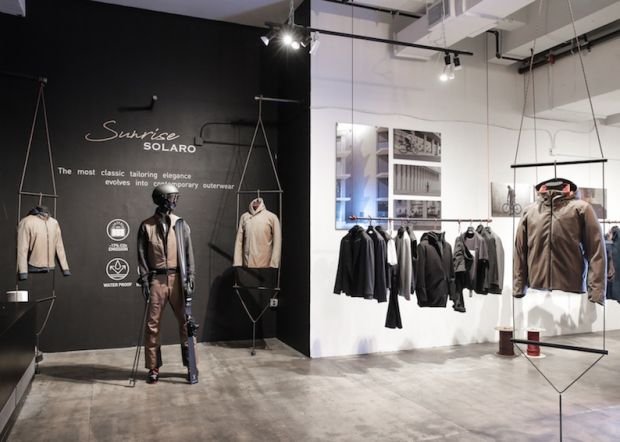
A clear identity helps customers understand why they should choose your brand.
Step 2: Create Your First Product
Many new brands make the mistake of creating too many products at the beginning.
A better approach is starting with a focused collection.
Consider:
- One hero product
- Limited color options
- Strong design identity
- Clear customer purpose
Your first product should represent your brand vision.
Develop Product Details
A professional clothing product requires:
- Fabric selection
- Measurements
- Construction details
- Labels
- Packaging
- Artwork
A detailed tech pack helps manufacturers understand your requirements.
Step 3: Find the Right Manufacturer
Choosing a manufacturer is one of the most important decisions for a new brand.
A good manufacturing partner should provide:
- Product development support
- Fabric recommendations
- Sample production
- Quality control
- Flexible MOQ options
Do not choose only based on the lowest price.
A cheaper factory may create problems with:
- Quality consistency
- Communication
- Delivery time
For example, Fuki Apparel helps emerging and established brands develop custom clothing collections through OEM and private label manufacturing services.
Step 4: Develop Samples
Samples turn your idea into a physical product.
During sampling, brands check:
- Fit
- Fabric quality
- Color
- Construction
- Printing
- Embroidery
This stage allows you to improve the product before bulk production.
Sample Development Checklist
| Check Area | Questions |
|---|---|
| Fabric | Does it feel premium? |
| Fit | Does it match your target customer? |
| Construction | Are seams strong? |
| Design | Does it represent your brand? |
| Details | Are labels and packaging correct? |
A strong sample becomes the foundation for production quality.
Step 5: Build Your Brand Identity
Clothing brands are not only selling products—they are selling a lifestyle.
Your brand identity includes:
- Brand name
- Logo
- Visual style
- Photography
- Social media presence
- Customer message
Successful brands create emotional connections with customers.
Step 6: Launch and Improve
Launching your first collection is only the beginning.
After launch, monitor:
- Customer feedback
- Product reviews
- Sales performance
- Repeat purchases
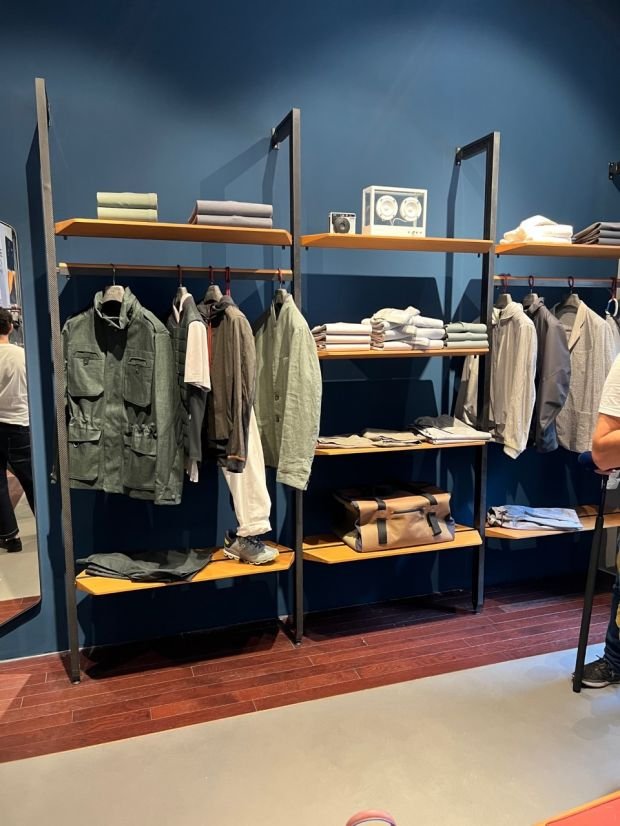
Use this information to improve future collections.
A Simple Brand Development Roadmap
| Stage | Main Goal |
|---|---|
| Idea | Define your brand vision |
| Development | Create your first products |
| Sampling | Improve product quality |
| Production | Manufacture consistently |
| Launch | Reach your customers |
| Growth | Expand your collection |
Resources
Internal Resources
External Resources
- https://www.businessoffashion.com/
- https://www.sourcingjournal.com/
- https://www.oeko-tex.com/
- https://bettercotton.org/
FAQ
How much money do I need to start a clothing brand?
The budget depends on product type, quantity, and customization level. Many brands begin with small collections and expand gradually.
Do I need fashion experience to start a clothing brand?
No. Many successful founders work with experienced designers and manufacturers to develop products.
How do I find a clothing manufacturer?
Look for manufacturers with experience in your product category, strong communication, sampling ability, and quality control systems.
Should I create many products for my first launch?
Usually no. Starting with a focused collection helps control costs and build a clearer brand identity.
How long does it take to create a clothing brand?
Product development, sampling, and production usually take several weeks to months depending on complexity.
Final Thoughts
From my experience, turning a clothing idea into a real brand is not about making hundreds of products immediately.
The strongest brands start with a clear vision, a well-developed first product, and a reliable manufacturing process.
A great idea becomes a successful brand when creativity is combined with proper product development, quality control, and customer understanding.
If you're ready to transform your clothing concept into a finished collection, Fuki Apparel provides complete OEM and private label manufacturing support, helping brands move from ideas to professionally produced apparel.
