
Every great garment starts with a great pattern. Whether you're producing a basic T-shirt or a premium oversized hoodie, the pattern determines how the finished product fits, feels, and performs.
From my experience working with OEM clothing manufacturers, pattern making is one of the most important—and most overlooked—steps in apparel production. Even premium fabrics can't fix a poorly made pattern.
In this guide, I'll explain how clothing patterns are created and why they play such a critical role in manufacturing.
Table of Contents
- Quick Answer
- What Is a Clothing Pattern?
- How Clothing Patterns Are Made
- Why Pattern Making Matters
- How Brands Can Get Better Patterns
- Resources
- FAQ
- Final Thoughts
Quick Answer
A clothing pattern is a blueprint used to cut fabric accurately.
Professional pattern making usually includes:
- Reviewing the tech pack
- Creating the first pattern
- Adding seam allowances
- Producing a sample
- Testing the fit
- Revising the pattern
- Size grading for production
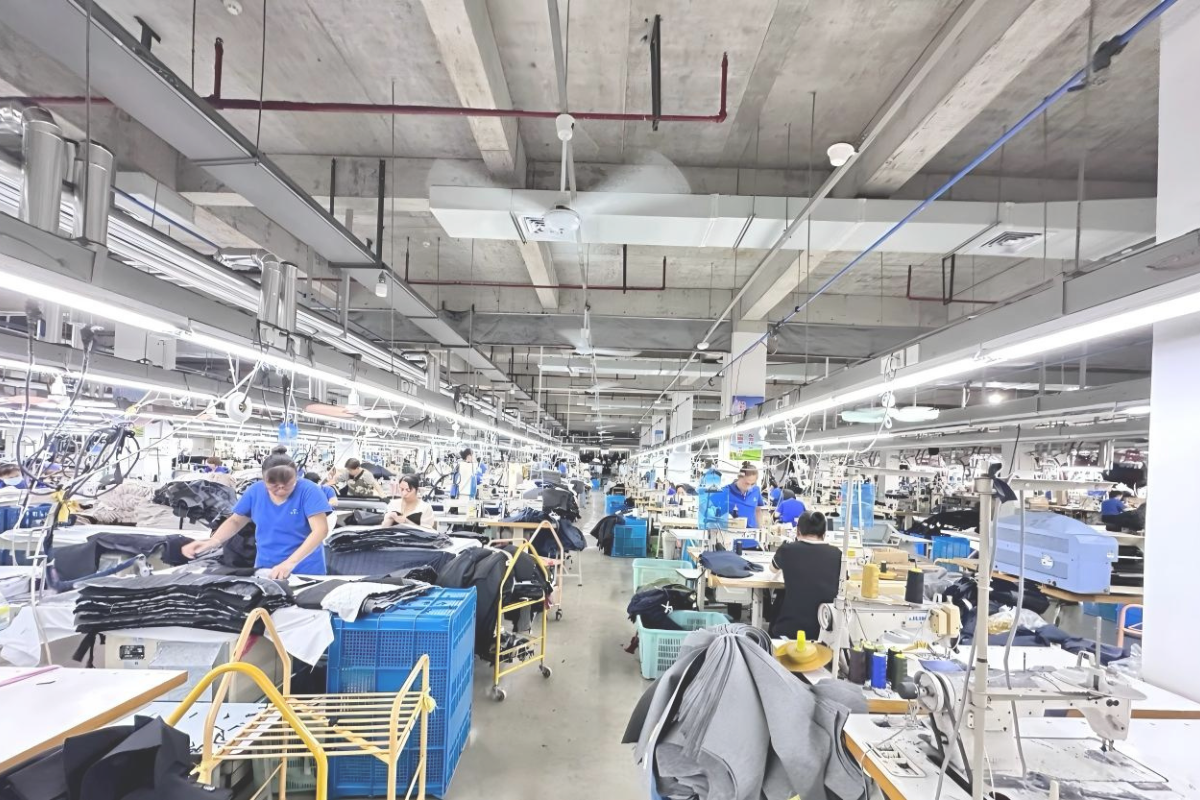
A well-made pattern improves fit, consistency, and manufacturing efficiency.
What Is a Clothing Pattern?
A clothing pattern is a template used to cut every fabric panel that makes up a garment.
Each pattern includes individual pieces for:
- Front panel
- Back panel
- Sleeves
- Collar
- Hood
- Rib sections
These pieces are assembled during sewing to create the finished garment.
How Clothing Patterns Are Made
Step 1: Review the Tech Pack
Pattern makers begin by studying:
- Garment measurements
- Design sketches
- Fabric type
- Construction details
- Size specifications
Clear instructions lead to more accurate patterns.
Step 2: Draft the Base Pattern
Using CAD software or manual drafting, the first pattern is created.
This defines:
- Body shape
- Sleeve angle
- Neck opening
- Shoulder slope
- Overall proportions
Step 3: Add Production Details
Before cutting fabric, the pattern is updated with:
- Seam allowances
- Notches
- Grain lines
- Stitch guides
- Alignment marks
These details help sewing operators assemble garments accurately.
Step 4: Create the First Sample
The factory cuts fabric using the new pattern and produces a prototype.
Brands evaluate:
- Fit
- Comfort
- Silhouette
- Construction
This is where improvements are identified.
Step 5: Revise the Pattern
If necessary, the pattern maker adjusts:
- Length
- Width
- Sleeve shape
- Collar size
- Pocket placement
Several revisions may be required before approval.
Step 6: Grade the Pattern
After the sample is approved, the base pattern is graded into multiple sizes such as:
- XS
- S
- M
- L
- XL
Grading keeps proportions consistent across every size.
Why Pattern Making Matters
A high-quality pattern improves:
- Garment fit
- Size consistency
- Fabric efficiency
- Sewing accuracy
- Customer satisfaction
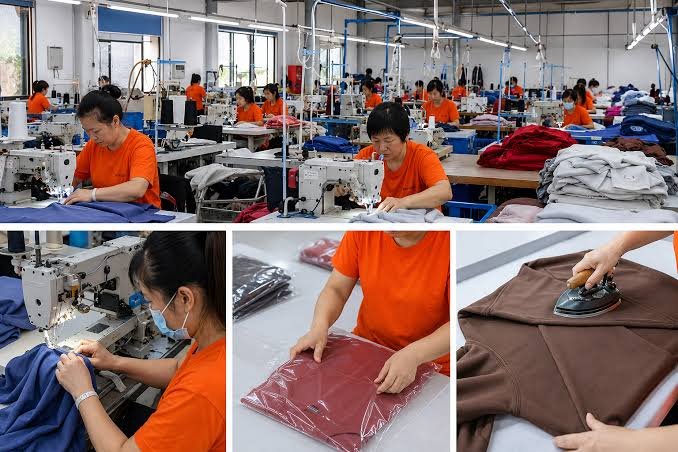
Poor patterns often result in uncomfortable garments, higher defect rates, and expensive production corrections.
How Brands Can Get Better Patterns
From my experience, brands should never rush the pattern development stage.
I recommend:
- Providing a detailed tech pack
- Approving samples carefully
- Testing multiple sizes
- Using experienced pattern makers
- Making revisions before bulk production
For example, Fuki Apparel offers professional pattern development, sample making, and size grading services to help streetwear brands achieve consistent fit and production quality.
Resources
Internal Resources
External Resources
- https://www.sourcingjournal.com/
- https://www.businessoffashion.com/
- https://www.oeko-tex.com/
- https://bettercotton.org/
FAQ
What is pattern making in clothing manufacturing?
Pattern making is the process of creating templates that are used to cut fabric and construct garments accurately.
Why is pattern making important?
Patterns determine garment fit, proportions, production efficiency, and size consistency.
What is pattern grading?
Pattern grading is the process of scaling a base pattern into multiple sizes while maintaining proper proportions.
Can patterns be changed after sampling?
Yes. Most manufacturers revise patterns after fit testing before approving bulk production.
Do startups need custom patterns?
Absolutely. Custom patterns help brands create unique fits and improve product quality instead of relying on generic templates.
Final Thoughts
From my experience, great apparel starts long before sewing begins—it starts with precise pattern making.
A carefully developed pattern improves fit, reduces production errors, saves fabric, and creates a more professional final product.
If you're developing a new clothing collection, Fuki Apparel provides complete OEM and private label services, including pattern development, sampling, grading, and bulk production to help brands create garments that fit consistently and perform well in the market.
