
Creating a piece of clothing involves much more than cutting fabric and sewing it together. Every garment goes through a carefully planned production process before it reaches a customer's hands.
From my experience working with OEM clothing manufacturers, the best products come from factories that manage every stage—from design development to final shipment—with precision and consistency.
In this guide, I'll explain exactly how clothing is made, step by step, and show what brands should pay attention to throughout the manufacturing journey.
Table of Contents
- Quick Answer
- The Complete Clothing Production Journey
- Why Each Step Matters
- Typical Production Timeline
- How to Work With the Right Manufacturer
- Resources
- FAQ
- Final Thoughts
Quick Answer
Most apparel follows this production flow:
- Design & Tech Pack
- Material Sourcing
- Pattern Making
- Sample Development
- Sample Approval
- Bulk Fabric Preparation
- Cutting & Sewing
- Printing & Embroidery
- Washing & Finishing
- Quality Inspection
- Packaging
- Final Shipment
Every stage directly affects product quality and delivery performance.
The Complete Clothing Production Journey
Step 1: Design & Technical Development
Every project begins with a clear production plan.
Manufacturers review:
- Tech packs
- Artwork
- Measurements
- Fabric requirements
- Accessories
- Branding details
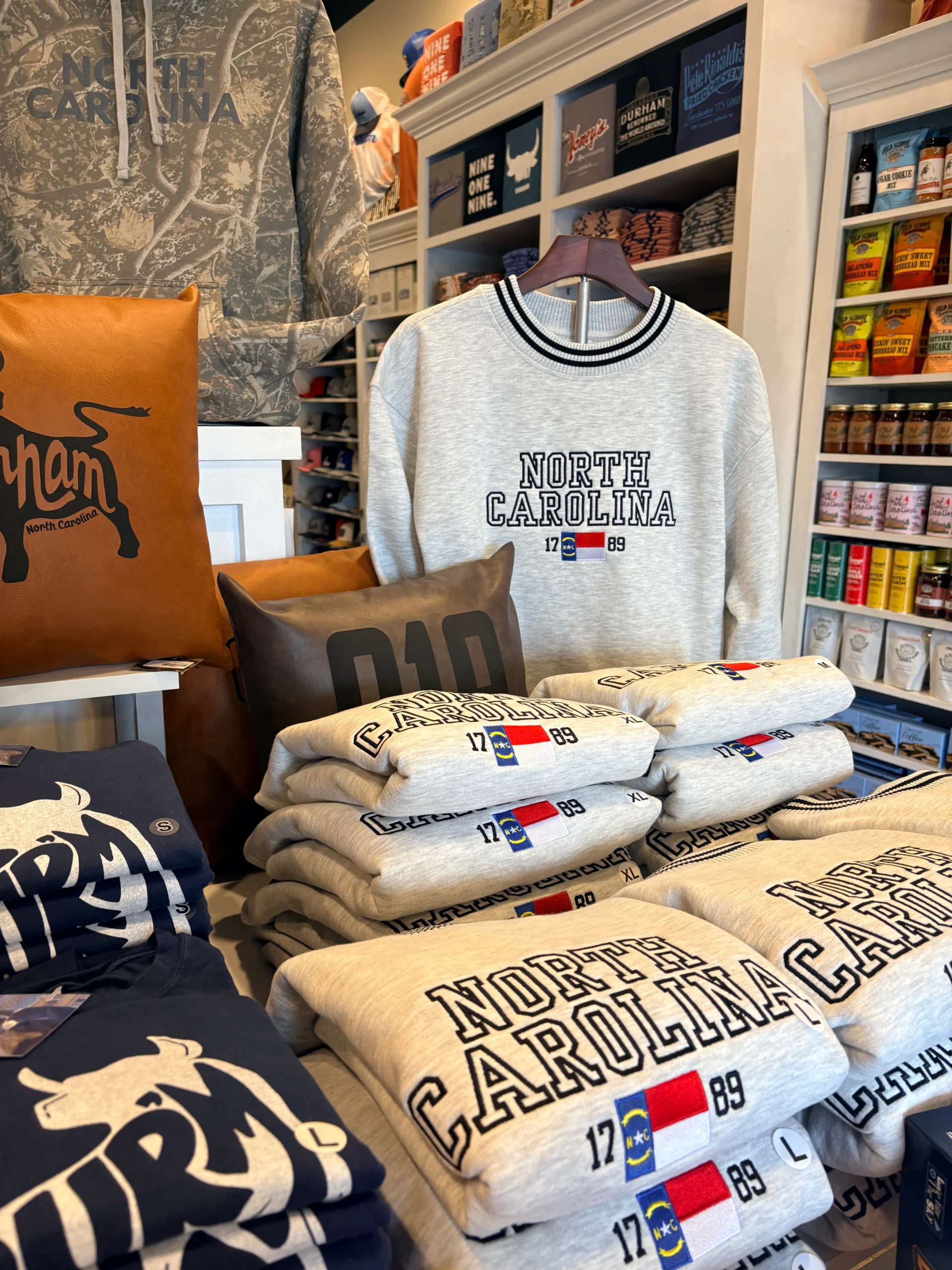
Clear documentation prevents misunderstandings later.
Step 2: Material Sourcing
Factories source all production materials, including:
- Cotton
- French Terry
- Fleece
- Rib fabric
- Labels
- Hang tags
- Packaging materials
Reliable suppliers ensure consistent product quality.
Step 3: Pattern Making
Professional pattern makers convert designs into production-ready templates.
This stage determines:
- Garment proportions
- Fit
- Size grading
- Construction details
Good patterns reduce production errors.
Step 4: Sample Development
Before mass production begins, manufacturers create prototype samples.
These are evaluated for:
- Fit
- Fabric feel
- Stitch quality
- Print placement
- Overall appearance
Most brands complete at least one or two revisions before approval.
Step 5: Bulk Material Preparation
After the sample is approved, the factory prepares bulk materials.
This includes:
- Fabric inspection
- Color verification
- Shrinkage testing
- Fabric relaxation
Preparation helps maintain consistency throughout production.
Step 6: Cutting & Sewing
Fabric is cut according to approved patterns before moving through the sewing line.
Production usually includes:
- Panel assembly
- Sleeve attachment
- Collar construction
- Hemming
- Reinforcement stitching
Each operation is carefully monitored.
Step 7: Printing & Decoration
Depending on the design, garments may receive:
- Screen printing
- DTG printing
- Puff printing
- Embroidery
- Heat transfer
- Silicone logos
Decoration is completed according to approved production standards.
Step 8: Washing & Finishing
Many premium garments undergo finishing treatments such as:
- Garment wash
- Enzyme wash
- Vintage wash
- Pre-shrinking
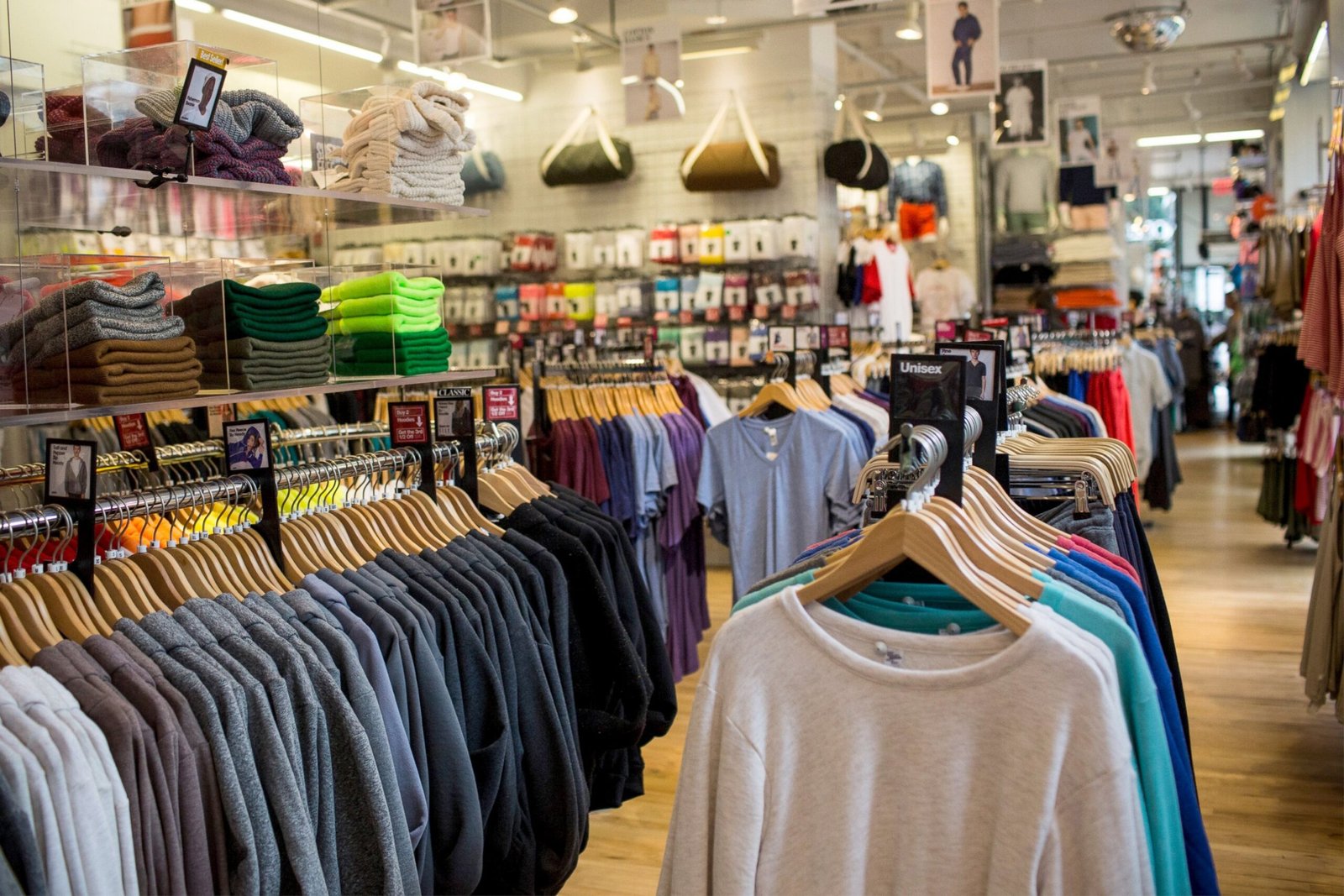
These processes improve comfort, appearance, and stability.
Step 9: Quality Inspection
Professional manufacturers inspect products throughout production.
Typical checkpoints include:
- Measurements
- Fabric defects
- Stitch consistency
- Printing quality
- Loose threads
- Final appearance
Quality control protects both the manufacturer and the brand.
Step 10: Packaging & Shipment
After inspection, garments are:
- Folded
- Poly bag packed
- Labeled
- Carton packed
- Loaded for international shipment
Proper packaging helps prevent damage during transportation.
Why Each Step Matters
Skipping production steps can lead to:
- Poor fit
- Color inconsistencies
- Fabric defects
- Delayed deliveries
- Higher return rates
A structured manufacturing process ensures products meet customer expectations.
Typical Production Timeline
| Stage | Typical Lead Time |
|---|---|
| Material Sourcing | 5–10 Days |
| Pattern & Sampling | 5–10 Days |
| Bulk Preparation | 2–5 Days |
| Cutting & Sewing | 10–20 Days |
| Printing & Finishing | 3–7 Days |
| Quality Inspection | 1–3 Days |
| Packing & Shipping | 2–5 Days |
Timelines vary depending on order size, garment complexity, and shipping method.
How to Work With the Right Manufacturer
From my experience, successful brands choose manufacturers that offer more than production capacity.
Look for partners that provide:
- Product development
- Fabric recommendations
- Pattern making
- Sampling support
- Flexible MOQs
- Strict quality control
- Export experience
For example, Fuki Apparel provides complete OEM and private label manufacturing services, helping brands manage everything from design development and sampling to bulk production and worldwide shipping.
Resources
Internal Resources
External Resources
- https://www.oeko-tex.com/
- https://bettercotton.org/
- https://www.sourcingjournal.com/
- https://www.businessoffashion.com/
FAQ
How is clothing made from start to finish?
Clothing is produced through a structured process that includes design, sourcing, pattern making, sampling, cutting, sewing, finishing, quality control, packaging, and shipping.
Why is sample approval important?
Approved samples ensure that bulk production matches the brand's expectations for fit, construction, and appearance.
How long does clothing manufacturing usually take?
Most apparel orders take between 20 and 45 days, depending on the product type and production quantity.
What is the most important manufacturing stage?
Every stage matters, but quality control throughout production is essential for maintaining consistent product standards.
Can startups follow the same production process?
Yes. Even small brands benefit from using the same professional workflow to reduce errors and improve product quality.
Final Thoughts
From my experience, successful clothing production isn't the result of one skilled worker or one advanced machine—it's the outcome of a carefully managed process where every stage builds on the previous one.
Brands that understand how garments are made can make better sourcing decisions, improve communication with factories, and create products that customers trust.
If you're looking for an experienced manufacturing partner, Fuki Apparel offers complete OEM and private label clothing manufacturing services, helping brands move from design concepts to finished products with reliable quality and global delivery.
