
When people buy premium fashion, they often notice the logo first. But from my experience working with OEM clothing manufacturers, that's rarely what makes a garment feel luxurious.
The real difference lies behind the scenes—in fabric sourcing, pattern development, garment construction, quality control, and finishing. These manufacturing decisions are what separate premium fashion from ordinary clothing.
In this guide, I'll reveal the manufacturing practices that successful fashion brands use and explain how emerging clothing brands can apply the same principles.
Table of Contents
- Quick Answer
- What Makes Premium Fashion Different?
- The Manufacturing Secrets
- Premium vs Standard Manufacturing
- How Smaller Brands Can Compete
- Resources
- FAQ
- Final Thoughts
Quick Answer
Premium fashion brands stand out because they focus on:
- High-quality fabrics
- Custom-developed patterns
- Skilled garment construction
- Strict quality inspections
- Premium finishing
- Long-term manufacturing partnerships
Luxury is created during production—not after it.
What Makes Premium Fashion Different?
Premium brands rarely compete on price.
Instead, they invest in every stage of manufacturing to deliver products that feel better, last longer, and create stronger customer loyalty.
Customers often notice:
- Better fabric texture
- Cleaner stitching
- Improved fit
- Superior durability
- More refined details
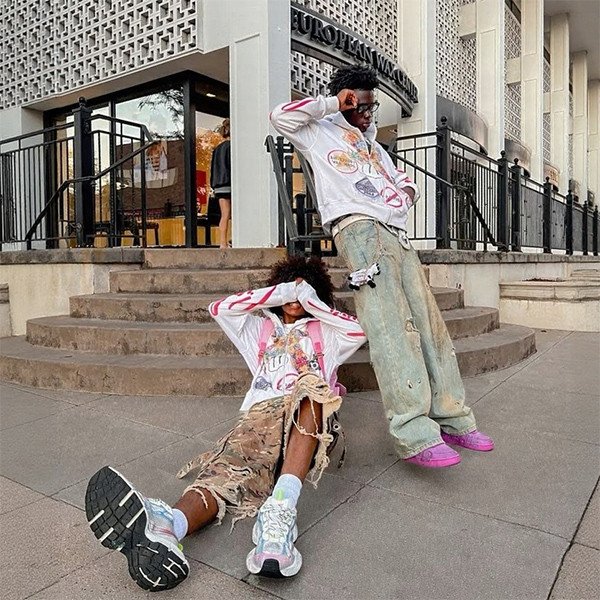
These elements work together to create a premium experience.
The Manufacturing Secrets
Premium Fabric Selection
Luxury garments usually begin with better materials.
Popular choices include:
- Heavyweight cotton
- Organic cotton
- French terry
- Premium fleece
- High-quality cotton blends
The fabric determines both comfort and perceived value.
Custom Pattern Development
Instead of using generic templates, premium brands create their own patterns.
Benefits include:
- Better proportions
- Signature fits
- Greater comfort
- Consistent sizing
A distinctive fit often becomes part of a brand's identity.
Skilled Garment Construction
Attention to construction improves both appearance and durability.
Premium manufacturers focus on:
- Reinforced seams
- Balanced stitch density
- Strong neck ribbing
- Clean seam alignment
Small details make a noticeable difference.
Advanced Finishing
Luxury garments often receive additional treatments such as:
- Enzyme wash
- Silicone wash
- Garment dye
- Vintage wash
- Pre-shrinking
These processes enhance softness, appearance, and long-term performance.
Multi-Stage Quality Control
Quality isn't inspected only once.
Professional manufacturers check garments during:
- Fabric inspection
- Cutting
- Sewing
- Finishing
- Final packing
This minimizes defects before products reach customers.
Premium vs Standard Manufacturing
| Feature | Premium Manufacturing | Standard Manufacturing |
|---|---|---|
| Fabric | High-grade materials | Basic fabrics |
| Pattern | Custom developed | Standard templates |
| Construction | Precision sewing | Basic production |
| Finishing | Multiple treatments | Minimal finishing |
| Quality Control | Multi-stage inspection | Final inspection only |
| Customer Experience | Luxury | Everyday |
The manufacturing process—not just branding—creates premium products.
How Smaller Brands Can Compete
From my experience, startups don't need luxury-level budgets to produce premium apparel.
Focus on Fewer Products
Instead of offering dozens of styles, perfect a small collection of:
- Heavyweight T-shirts
- Premium hoodies
- Sweatpants
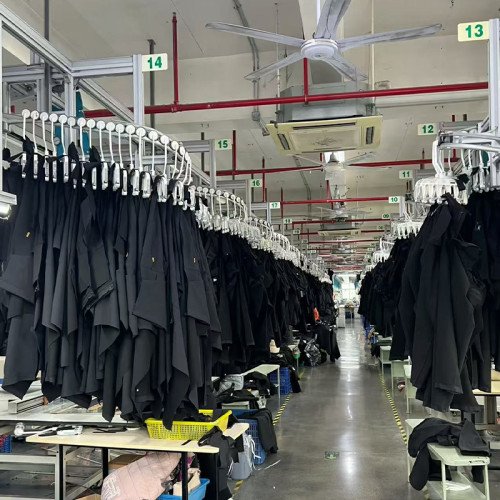
Consistency builds trust.
Invest in Fabric Before Marketing
Customers remember how clothing feels.
Choosing better materials often delivers a stronger return than adding more graphics or branding.
Choose the Right Manufacturing Partner
A reliable OEM manufacturer should provide:
- Fabric sourcing
- Pattern development
- Sampling
- Quality management
- Private label services
For example, Fuki Apparel works with clothing brands to develop premium garments through custom manufacturing, heavyweight fabrics, advanced finishing, and consistent quality control.
Resources
Internal Resources
External Resources
- https://www.businessoffashion.com/
- https://www.sourcingjournal.com/
- https://bettercotton.org/
- https://www.oeko-tex.com/
FAQ
What makes premium fashion different from regular clothing?
Premium fashion combines better materials, custom patterns, refined construction, advanced finishing, and stricter quality control.
Is expensive fabric enough to create luxury clothing?
No. Fabric is important, but pattern development, sewing quality, finishing, and consistency are equally critical.
Why do premium brands spend more on quality control?
Strict inspections reduce defects, improve consistency, and protect long-term brand reputation.
Can startup brands manufacture premium clothing?
Yes. By focusing on quality materials, refined construction, and experienced manufacturing partners, startups can produce premium apparel without owning a factory.
What is the biggest manufacturing secret behind luxury brands?
Consistency. Every garment is produced to the same high standard, from fabric selection to final packaging.
Final Thoughts
From my experience, premium fashion isn't created by expensive logos or marketing campaigns alone.
The real advantage comes from disciplined manufacturing—carefully selected fabrics, precise construction, advanced finishing, and consistent quality control.
Brands that invest in these fundamentals create products customers trust and return to buy again.
If you're planning to build a premium apparel brand, partnering with an experienced OEM manufacturer like Fuki Apparel can help you turn quality-focused ideas into garments that compete in today's premium fashion market.
