
Supreme has become one of the most influential streetwear brands in the world—not because it produces the largest number of garments, but because it combines smart manufacturing, controlled supply, and consistent product quality.
From my experience working with streetwear brands and OEM manufacturers, Supreme's success isn't built on complicated designs alone. It comes from disciplined production planning, premium materials, and maintaining brand value through manufacturing decisions.
In this guide, I'll explain what small clothing brands can realistically learn from Supreme's manufacturing strategy.
Table of Contents
- Quick Answer
- What Makes Supreme's Manufacturing Different?
- Five Lessons for Small Brands
- Supreme vs Typical Startup Brands
- How to Apply These Ideas
- Resources
- FAQ
- Final Thoughts
Quick Answer
Small brands can learn several important lessons from Supreme:
- Focus on quality before quantity
- Keep collections limited
- Invest in premium materials
- Build consistent product standards
- Work with reliable manufacturing partners
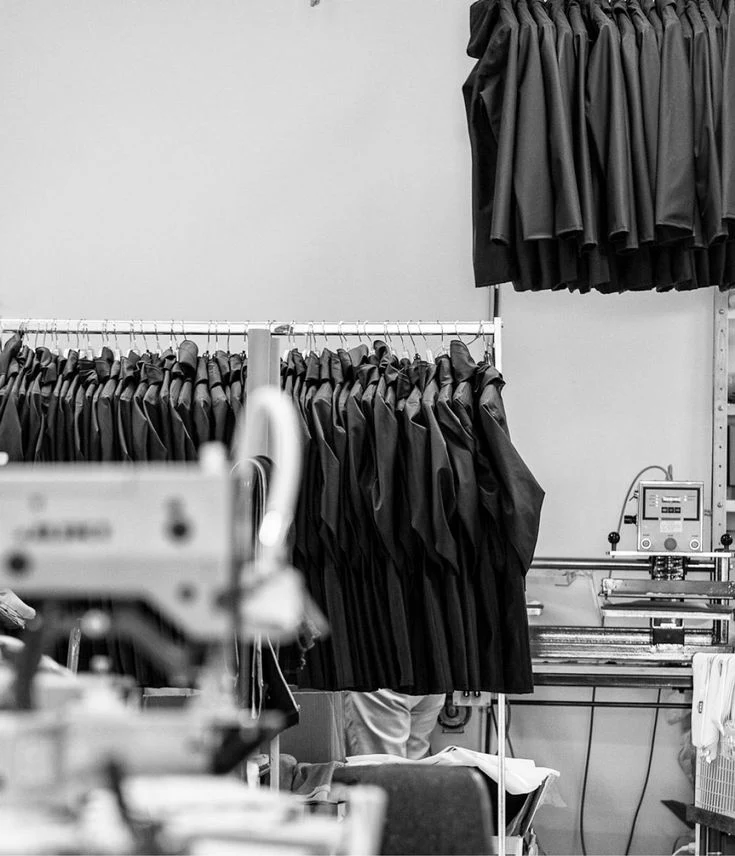
These strategies help brands grow sustainably while maintaining customer trust.
What Makes Supreme's Manufacturing Different?
Supreme doesn't compete by producing the most products.
Instead, its manufacturing strategy focuses on:
- Consistent quality
- Controlled production
- Premium construction
- Reliable suppliers
- Strong product identity
Every collection reinforces the brand instead of chasing short-term volume.
Five Lessons for Small Brands
1. Produce Less, But Better
Launching fewer products allows brands to:
- Improve quality
- Reduce inventory risk
- Maintain exclusivity
- Control production costs
Quality often creates more long-term value than quantity.
2. Invest in Better Fabrics
Premium streetwear begins with premium materials.
Many successful brands prioritize:
- Heavyweight cotton
- French terry
- Premium fleece
- Durable ribbing
Customers immediately notice better fabrics.
3. Keep Manufacturing Consistent
Consistency builds customer confidence.
Maintain the same standards for:
- Fabric weight
- Garment measurements
- Stitching
- Washing
- Finishing
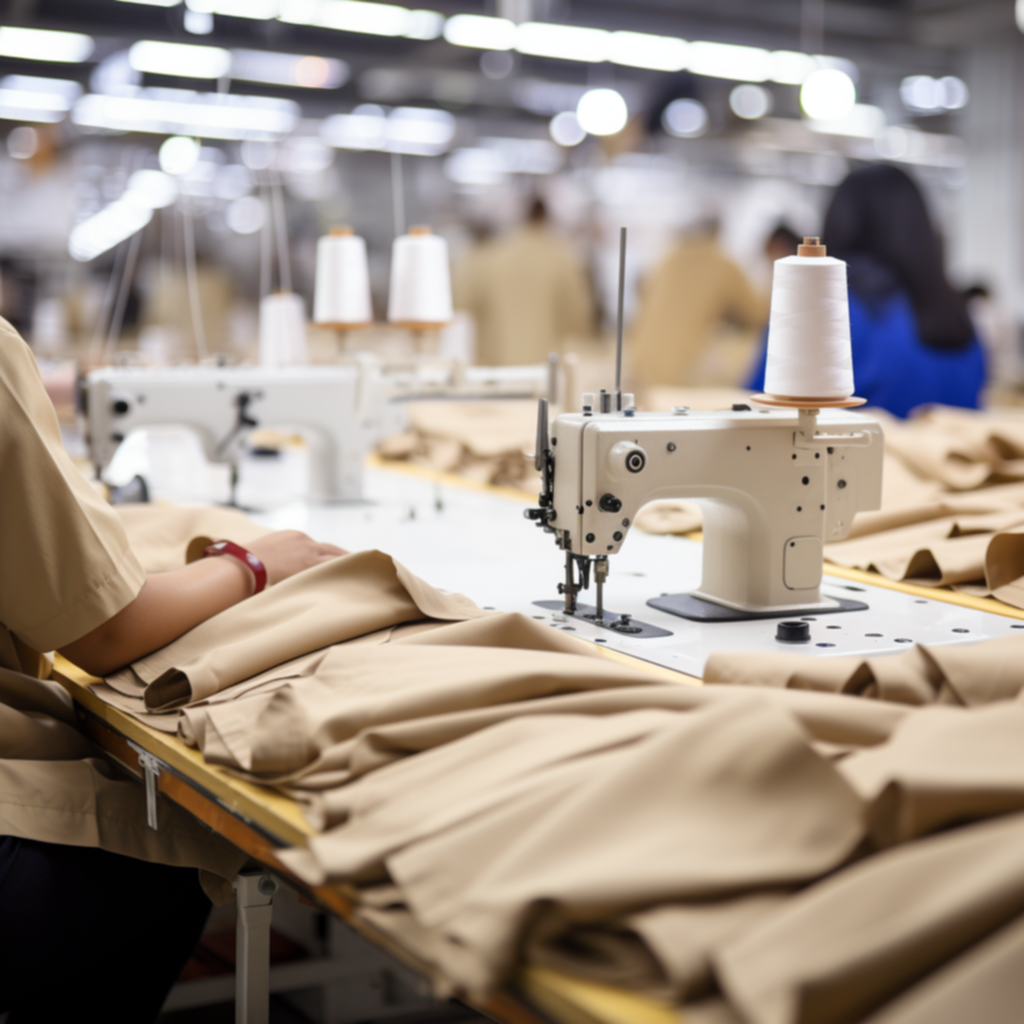
Reliable products encourage repeat purchases.
4. Build Long-Term Factory Relationships
Switching manufacturers every season often creates quality issues.
Working with one experienced production partner improves:
- Communication
- Sampling
- Quality control
- Delivery performance
5. Protect Your Brand Identity
Manufacturing should support your brand—not define it.
Keep consistency across:
- Fit
- Fabric
- Packaging
- Labels
- Product details
Strong branding starts with consistent products.
Supreme vs Typical Startup Brands
| Area | Supreme | Many Startups |
|---|---|---|
| Product Focus | Limited collections | Too many styles |
| Fabric | Premium materials | Price-first approach |
| Manufacturing | Long-term partners | Frequently changing factories |
| Quality Control | Strict standards | Basic inspections |
| Brand Strategy | Consistent identity | Constant trend chasing |
Small brands don't need Supreme's budget, but they can adopt the same manufacturing mindset.
How to Apply These Ideas
From my experience, new brands should focus on building a strong foundation.
Choose Premium Basics
Instead of launching dozens of products, start with:
- Oversized T-shirts
- Heavyweight hoodies
- Sweatpants
Perfect these products before expanding.
Test Before Scaling
Always approve samples before bulk production.
Evaluate:
- Fabric
- Fit
- Printing
- Construction
- Washing results
This reduces expensive production mistakes.
Work With an Experienced Manufacturer
A professional OEM manufacturer can provide:
- Fabric sourcing
- Pattern development
- Sampling
- Private label services
- Quality control
For example, Fuki Apparel helps clothing brands develop premium streetwear collections through custom manufacturing, heavyweight fabrics, private label production, and consistent quality management.
Resources
Internal Resources
External Resources
- https://supremenewyork.com/
- https://www.highsnobiety.com/
- https://www.businessoffashion.com/
- https://www.sourcingjournal.com/
FAQ
Does Supreme manufacture its own clothing?
Like many global fashion brands, Supreme works with specialized manufacturing partners rather than producing every garment in company-owned factories.
Why are Supreme products considered premium?
Their reputation comes from quality materials, reliable construction, limited releases, and strong brand consistency.
Should startups copy Supreme's limited-drop strategy?
Small brands can benefit from producing focused collections instead of launching too many products at once.
Is fabric quality really that important?
Yes. Better fabrics improve customer satisfaction, perceived value, and long-term brand reputation.
How can a startup build products like Supreme?
By choosing premium materials, refining garment fit, working with experienced manufacturers, and maintaining strict quality standards.
Final Thoughts
From my experience, Supreme's biggest competitive advantage isn't simply its logo or limited releases—it's a disciplined manufacturing strategy built around consistency, quality, and long-term brand value.
Small brands don't need to copy every business decision, but they can absolutely adopt the same manufacturing principles.
By partnering with an experienced OEM manufacturer like Fuki Apparel, emerging streetwear brands can create premium products that strengthen customer trust and support sustainable business growth.
