
Nike and Adidas are two of the world's largest sportswear brands, producing millions of garments every year. Many clothing entrepreneurs wonder how these global companies choose their manufacturing partners—and whether smaller brands can apply the same standards.
From my experience working with OEM clothing manufacturers and private label brands, the answer isn't about finding the cheapest factory. Nike and Adidas evaluate suppliers based on quality, compliance, innovation, scalability, and long-term partnership.
In this guide, I'll explain the key factors they look for and how emerging apparel brands can use similar sourcing strategies.
Table of Contents
- Quick Answer
- Do Nike and Adidas Own Their Factories?
- How They Choose Manufacturing Partners
- Key Selection Criteria
- What Smaller Brands Can Learn
- Resources
- FAQ
- Final Thoughts
Quick Answer
Nike and Adidas generally work with independent manufacturing partners instead of owning most production facilities.
They evaluate factories based on:
- Product quality
- Production capacity
- Compliance standards
- Technical expertise
- Delivery performance
- Innovation
- Sustainability
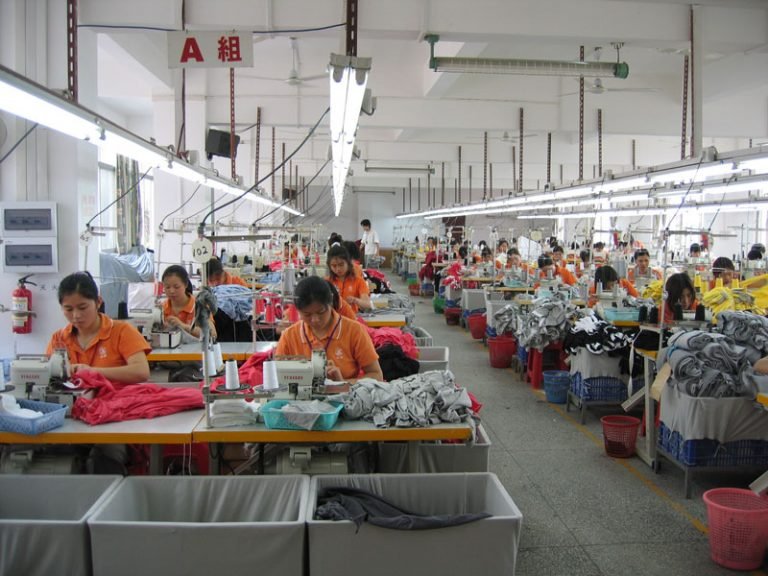
The same principles can help brands of any size build a reliable supply chain.
Do Nike and Adidas Own Their Factories?
No.
Both companies primarily partner with independent manufacturers across Asia and other regions.
This sourcing model allows them to:
- Scale production quickly
- Access specialized expertise
- Introduce new technologies
- Reduce operational risk
Rather than managing factories directly, they build long-term relationships with carefully selected suppliers.
How They Choose Manufacturing Partners
Proven Product Quality
Large brands require consistent quality across every production run.
Factories must demonstrate:
- Accurate sizing
- Durable stitching
- Stable fabric quality
- Reliable finishing
Quality consistency is often more important than offering the lowest price.
Strong Production Capacity
Manufacturers need the ability to handle:
- Large order volumes
- Seasonal demand
- Multiple product categories
- Tight delivery schedules
Scalability is essential for global brands.
Compliance and Ethical Standards
Leading brands carefully evaluate supplier compliance.
Common requirements include:
- Fair labor practices
- Safe working conditions
- Environmental responsibility
- Quality management systems
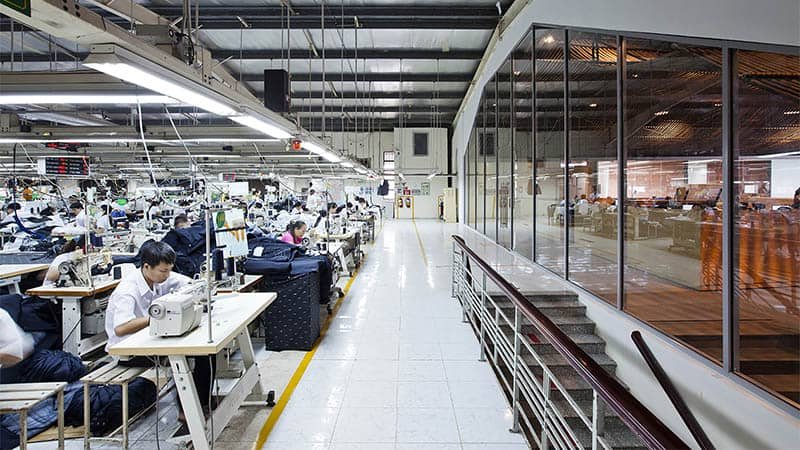
Responsible manufacturing protects both the brand and its reputation.
Technical Manufacturing Expertise
Modern apparel production requires advanced capabilities.
Factories are expected to understand:
- Performance fabrics
- Seam construction
- Heat-transfer applications
- Garment washing
- Digital pattern development
Technical expertise allows brands to introduce innovative products more quickly.
Reliable Communication
Clear communication reduces production errors and improves efficiency.
The best manufacturing partners provide:
- Fast responses
- Transparent updates
- Technical support
- Proactive problem-solving
Strong communication often leads to long-term partnerships.
Key Selection Criteria
| Evaluation Area | Why It Matters |
|---|---|
| Product Quality | Protects brand reputation |
| Capacity | Supports business growth |
| Compliance | Reduces operational risk |
| Technical Skills | Enables product innovation |
| Delivery Performance | Meets launch schedules |
| Communication | Improves collaboration |
Successful brands evaluate manufacturers across all of these areas—not just pricing.
What Smaller Brands Can Learn
Prioritize Quality Over Cost
Choosing the lowest quotation often leads to:
- Higher return rates
- Customer complaints
- Inconsistent products
Investing in quality usually delivers better long-term value.
Start With Samples
Before placing bulk orders:
- Review fabric quality
- Check measurements
- Test stitching
- Wash the garments
- Evaluate finishing
Sampling helps identify potential issues early.
Build Long-Term Partnerships
Rather than changing suppliers every season, work closely with manufacturers who understand your products and quality expectations.
Long-term collaboration often results in:
- Better pricing
- Faster development
- More consistent production
Work With Experienced OEM Manufacturers
An experienced partner can support brands with:
- Fabric sourcing
- Pattern development
- Sampling
- Quality control
- Private label production
For example, Fuki Apparel helps clothing brands develop custom apparel through premium fabric sourcing, OEM manufacturing, private label services, and comprehensive quality management.
Resources
Internal Resources
External Resources
- https://manufacturingmap.nikeinc.com/
- https://www.adidas-group.com/en/sustainability/supply-chain/
- https://www.businessoffashion.com/
- https://www.oeko-tex.com/
FAQ
Do Nike and Adidas own their own clothing factories?
Most production is outsourced to carefully selected manufacturing partners rather than company-owned factories.
What is the most important factor when selecting a manufacturer?
Consistent product quality is usually the top priority, followed by compliance, technical capability, and reliable delivery.
Do global brands always choose the cheapest factory?
No. Large brands typically prioritize quality, reliability, innovation, and long-term value over the lowest production cost.
Can startups use the same sourcing strategy?
Yes. Even small brands should evaluate suppliers based on quality, communication, and long-term partnership instead of price alone.
How do I find a reliable clothing manufacturer?
Look for manufacturers with strong sampling capabilities, transparent communication, proven quality control, and experience producing products similar to yours.
Final Thoughts
From my experience, Nike and Adidas succeed because they treat manufacturing as a strategic partnership rather than a simple purchasing decision.
Their focus on quality, compliance, technical expertise, and long-term collaboration allows them to consistently deliver products that meet customer expectations around the world.
While most emerging brands don't need the same production scale, they can adopt the same sourcing principles. Choosing the right manufacturing partner early can improve product quality, strengthen brand reputation, and support long-term growth.
If you're developing your own apparel collection, partnering with an experienced OEM manufacturer like Fuki Apparel can help you build products that meet premium standards while supporting scalable business growth.