
When developing premium apparel, one of the first specifications you'll encounter is GSM (grams per square meter). Many new clothing brands assume that a higher GSM automatically means better quality—but that's not always true.
From my experience working with streetwear brands and OEM manufacturers, GSM should match your product, target customer, and brand positioning. A luxury hoodie and a premium T-shirt require completely different fabric weights.
In this guide, I'll explain what GSM means, recommend the best GSM ranges for different garments, and help you choose the right fabric weight for your clothing brand.
Table of Contents
- Quick Answer
- What Does GSM Mean?
- Recommended GSM for Premium Clothing
- Heavyweight vs Lightweight Fabrics
- How Brands Choose the Right GSM
- Common GSM Mistakes
- Resources
- FAQ
- Final Thoughts
Quick Answer
There isn't one perfect GSM for every premium garment.
Here are the most common recommendations:
| Product | Recommended GSM |
|---|---|
| Premium T-Shirts | 220–280 GSM |
| Oversized T-Shirts | 240–300 GSM |
| Sweatshirts | 320–420 GSM |
| Hoodies | 380–500 GSM |
| Joggers | 320–420 GSM |
The best GSM depends on the garment's purpose, not simply on making it heavier.
What Does GSM Mean?
GSM stands for grams per square meter, which measures fabric weight.

A higher GSM generally means:
- Thicker fabric
- Better structure
- Increased durability
- Warmer garments
A lower GSM usually provides:
- Better breathability
- Lighter feel
- More flexibility
However, GSM does not directly indicate fabric quality.
A well-made 240 GSM cotton fabric can feel more premium than a poorly produced 400 GSM fabric.
Recommended GSM for Premium Clothing
Premium T-Shirts
For high-end T-shirts, I usually recommend:
- 220–260 GSM for luxury basics
- 260–300 GSM for oversized streetwear
These fabrics provide excellent drape without feeling overly heavy.
Premium Hoodies
Luxury hoodies commonly use:
- 380–450 GSM for premium collections
- 450–500 GSM for heavyweight streetwear
This weight creates a substantial feel that customers often associate with premium quality.
Sweatshirts
Premium sweatshirts typically perform best between:
- 320–420 GSM
This range balances warmth, comfort, and durability.
Joggers
For premium sweatpants, 320–400 GSM fleece offers:
- Better structure
- Longer lifespan
- Improved comfort
Heavyweight vs Lightweight Fabrics
| Feature | Lightweight GSM | Heavyweight GSM |
|---|---|---|
| Comfort | Excellent | Excellent |
| Breathability | Higher | Moderate |
| Warmth | Lower | Higher |
| Structure | Softer | More Structured |
| Premium Appearance | Good | Excellent |
| Best For | Summer & Basics | Streetwear & Luxury |
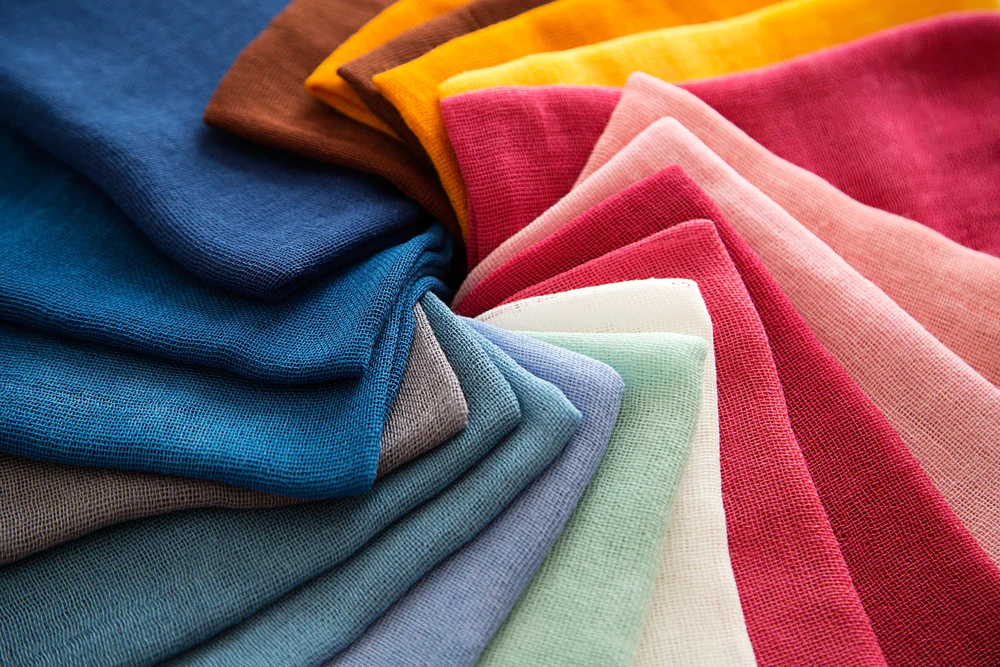
Heavyweight fabrics often create a stronger premium impression, but lightweight fabrics may be better for warmer climates and active lifestyles.
How Brands Choose the Right GSM
From my experience, successful brands don't choose GSM based only on trends.
They ask several important questions.
What Product Are You Making?
Different garments require different weights.
For example:
- Premium hoodie → 420 GSM
- Oversized tee → 260 GSM
- Summer tee → 220 GSM
Who Is Your Customer?
If your audience prefers:
- Luxury streetwear
- Oversized silhouettes
- Heavyweight garments
Higher GSM is usually appropriate.
If they prioritize:
- Everyday comfort
- Layering
- Warm-weather clothing
A lighter GSM may be the better option.
What Is Your Retail Price?
Higher-priced collections generally justify:
- Better fabrics
- Heavier materials
- Premium finishing
Budget-friendly collections often benefit from midweight fabrics that balance quality and affordability.
Working with an experienced manufacturer makes this process much easier.
For example, Fuki Apparel helps brands choose the right GSM for hoodies, T-shirts, sweatshirts, and other custom apparel based on product positioning and target pricing.
Common GSM Mistakes
Many new brands misunderstand fabric weight.
Here are the mistakes I see most often.
Choosing the Highest GSM Available
Thicker isn't always better.
Excessively heavy fabrics may:
- Increase production costs
- Reduce comfort
- Limit seasonal wear
Ignoring Fabric Composition
The same GSM can feel completely different depending on the material.
For example:
- 100% combed cotton
- Cotton-poly fleece
- French terry
all perform differently even at similar weights.
Forgetting Customer Expectations
Always match GSM to your target market instead of following industry trends.
Resources
Internal Resources
External Resources
- https://bettercotton.org/
- https://www.oeko-tex.com/
- https://www.businessoffashion.com/
- https://sourcingjournal.com/
FAQ
What GSM is considered premium?
For most premium apparel:
- T-shirts: 220–300 GSM
- Sweatshirts: 320–420 GSM
- Hoodies: 380–500 GSM
Does higher GSM mean better quality?
No. GSM measures weight, not quality. Fiber quality, knitting, and finishing are equally important.
Is 500 GSM too heavy?
Not for luxury oversized hoodies. Many premium streetwear brands intentionally use fabrics around 450–500 GSM.
What GSM is best for oversized T-shirts?
Most premium oversized T-shirts use 240–280 GSM, offering structure without sacrificing comfort.
Should startups choose heavyweight fabrics?
It depends on brand positioning. Heavyweight fabrics create stronger perceived value, while midweight fabrics often provide better flexibility and lower production costs.
Final Thoughts
From my experience, GSM should never be chosen in isolation.
The best premium garments combine the right:
- Fabric weight
- Fiber quality
- Construction
- Finishing
- Brand positioning
Heavyweight fabrics have become increasingly popular in premium streetwear, but choosing the right GSM always depends on the product you're creating and the customers you're serving.
If you're planning a custom apparel collection, an experienced OEM manufacturer like Fuki Apparel can help you select the ideal GSM and fabric construction to create clothing that looks premium, feels comfortable, and performs consistently.
