
Many clothing brands dream of creating products that feel premium without making them too expensive to produce.
From my experience working with OEM clothing manufacturers and fashion startups, I've learned that customers don't always buy the most expensive garment—they buy the one that looks premium, feels comfortable, and delivers consistent quality.
The good news is that achieving a luxury feel doesn't always require luxury-level production costs. With the right materials, manufacturing methods, and supplier, brands can create premium products while keeping their budgets under control.
In this guide, I'll explain how successful brands balance luxury quality with affordable manufacturing.
Table of Contents
- Quick Answer
- What Gives Clothing a Luxury Feel?
- Why Premium Doesn't Always Mean Expensive
- How Brands Reduce Manufacturing Costs
- Luxury Manufacturing vs Affordable Manufacturing
- Smart Manufacturing Strategies
- How to Choose the Right Factory
- Resources
- FAQ
- Final Thoughts
Quick Answer
Luxury-feeling clothing doesn't necessarily require luxury production costs.
Successful brands achieve this balance by:
- Choosing better fabrics instead of expensive fabrics
- Simplifying garment construction
- Producing efficiently
- Working with experienced OEM manufacturers
- Investing in quality control instead of unnecessary complexity
The goal is to maximize perceived value, not simply increase production cost.
What Gives Clothing a Luxury Feel?
Many people assume expensive clothing simply uses expensive materials.
In reality, customers notice much more than fabric price.
Premium Fabrics
Luxury-feeling garments often use:
- Heavyweight cotton
- Compact cotton
- French terry
- Brushed fleece
- High-quality ribbing
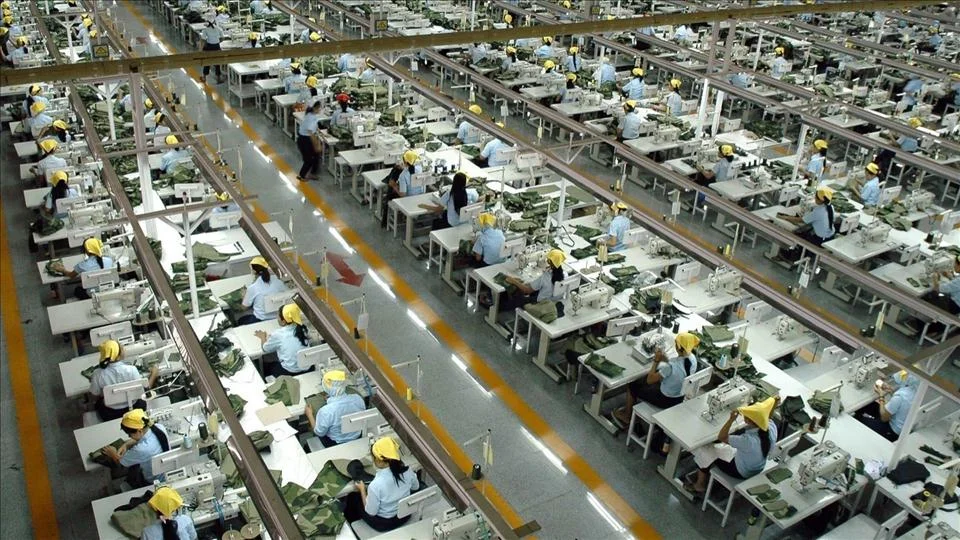
These fabrics feel substantial and durable without dramatically increasing manufacturing costs.
Better Garment Construction
Construction makes a significant difference.
Brands often upgrade:
- Stitch density
- Seam finishing
- Neck rib quality
- Shoulder reinforcement
Small improvements create a noticeable premium appearance.
Consistent Fit
A well-developed pattern often creates more value than expensive fabric.
Customers remember garments that:
- Fit consistently
- Hold their shape
- Feel comfortable
Why Premium Doesn't Always Mean Expensive
From my experience, luxury perception comes from thoughtful product development rather than simply spending more money.
Better Design Choices
Instead of adding unnecessary decorations, many premium brands focus on:
- Clean silhouettes
- Oversized fits
- Minimal branding
- High-quality finishing
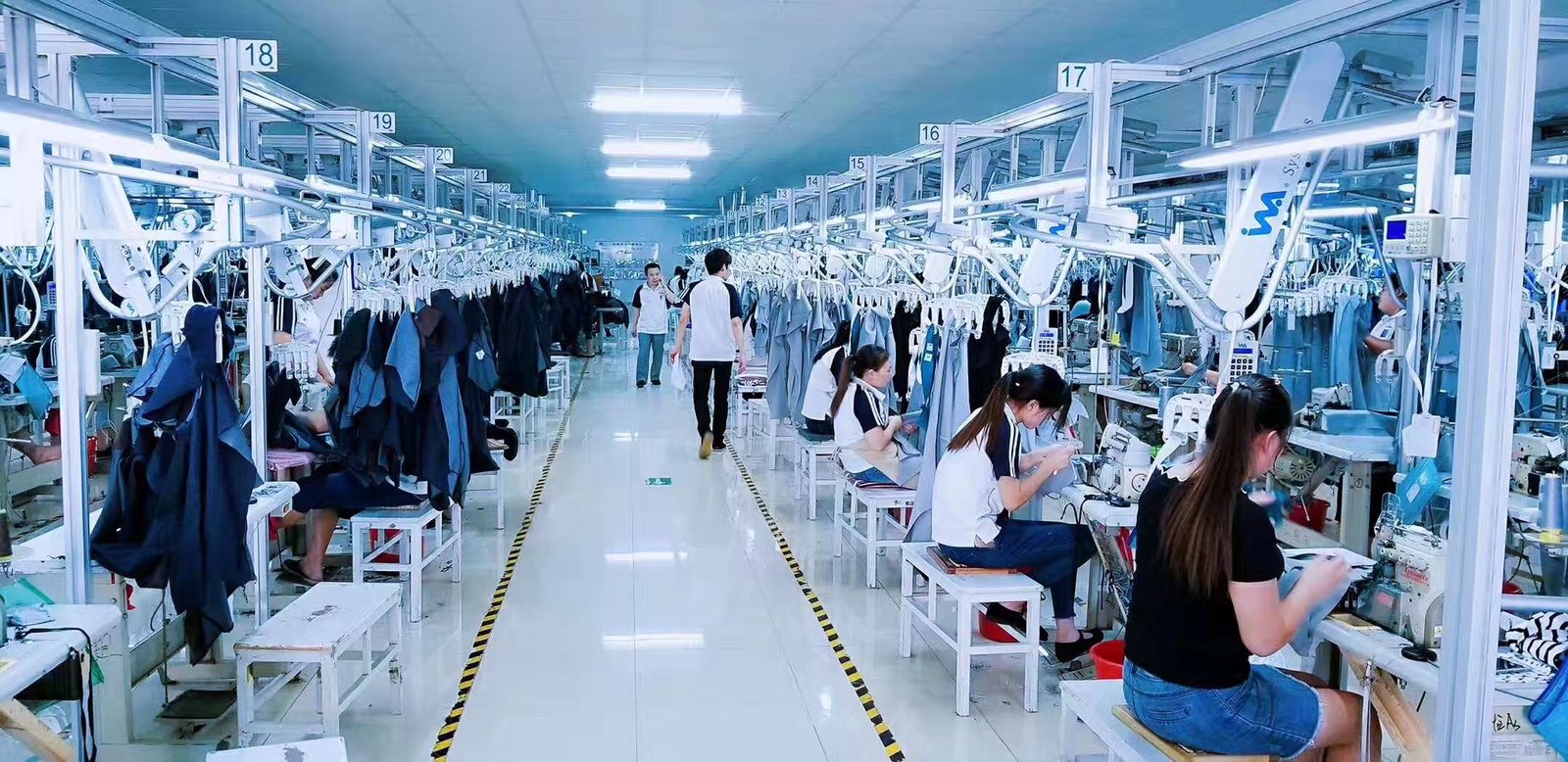
Efficient Material Selection
Choosing the right fabric supplier can reduce costs while maintaining quality.
For example:
- 320 GSM cotton may provide a premium feel without requiring luxury fabric pricing.
Simplified Product Development
Reducing unnecessary complexity helps brands lower production costs while maintaining product quality.
Examples include:
- Fewer panels
- Cleaner stitching
- Standardized trims
How Brands Reduce Manufacturing Costs
Successful brands focus on efficiency rather than simply choosing the cheapest factory.
Optimize Fabric Usage
Good pattern making reduces fabric waste and improves production efficiency.
Limit SKU Complexity
Producing fewer:
- Colors
- Sizes
- Variations
helps lower manufacturing costs.
Build Long-Term Factory Relationships
Working with one experienced manufacturer often leads to:
- Better pricing
- Faster development
- More consistent quality
Luxury Manufacturing vs Affordable Manufacturing
| Feature | Luxury Manufacturing | Affordable Manufacturing |
|---|---|---|
| Fabric Quality | Premium | Carefully selected |
| Construction | Excellent | Optimized |
| Production Cost | High | Controlled |
| Brand Positioning | Luxury | Premium Value |
| Customer Experience | Excellent | Excellent when executed well |
The best brands don't always spend the most—they spend wisely.
Smart Manufacturing Strategies
From my experience, successful apparel brands follow several common strategies.
Invest in Fabric First
Customers immediately notice:
- Fabric weight
- Softness
- Structure
This often has a bigger impact than expensive trims.
Improve Sampling
Good samples reduce expensive revisions during bulk production.
Prioritize Quality Control
Consistent quality creates stronger customer trust than excessive product complexity.
Choose Experienced OEM Manufacturers
Experienced factories understand how to achieve premium quality while controlling production costs.
For example, Fuki Apparel helps clothing brands develop premium streetwear through custom OEM manufacturing, combining quality materials with efficient production processes.
How to Choose the Right Factory
When evaluating manufacturers, don't ask only about price.
Instead, ask:
Can they recommend better fabrics?
An experienced supplier should provide material suggestions based on your target price.
Do they understand premium construction?
Request examples of:
- Heavyweight garments
- Washed products
- Embroidery
- Premium finishing
Can they support long-term growth?
Choose a manufacturer that can grow with your brand instead of simply producing one order.
Resources
Internal Resources
External Resources
- https://www.businessoffashion.com/
- https://sourcingjournal.com/
- https://fashionunited.com/
- https://www.oeko-tex.com/
FAQ
Can affordable clothing still feel luxurious?
Yes. Fabric selection, garment construction, and finishing often matter more than production cost alone.
What fabric creates the best premium feel?
Heavyweight cotton, French terry, brushed fleece, and compact cotton are popular choices.
Should startups produce luxury-quality products?
Yes, but focus on perceived value rather than unnecessary production expenses.
Is China a good place for premium clothing manufacturing?
Yes. Many experienced OEM manufacturers now specialize in premium-quality apparel with competitive production costs.
What is the biggest mistake brands make?
Trying to reduce costs by sacrificing fabric quality or construction consistency.
Final Thoughts
From my experience, customers don't judge clothing by its manufacturing cost—they judge it by how it looks, feels, and performs.
Brands that succeed are those that invest in the right areas:
- Better fabrics
- Reliable construction
- Consistent quality
- Professional manufacturing partners
Instead of chasing the lowest price, focus on maximizing value.
Working with an experienced OEM manufacturer like Fuki Apparel can help your brand achieve premium-quality clothing while maintaining efficient and affordable production.
