
Sustainability is no longer just a marketing message in the fashion industry.
From my experience working with clothing brands and manufacturers, I’ve noticed a major shift: brands are actively changing how they source fabrics, manage production, and choose manufacturing partners.
In the past, many companies focused mainly on price and speed. Today, more brands are looking for responsible materials, cleaner production processes, and long-term supply chain stability.
In this guide, I’ll explain what sustainable clothing manufacturing really means, what brands are switching to, and how you can make better sourcing decisions.
Table of Contents
- Quick Answer
- What Is Sustainable Clothing Manufacturing?
- Why Brands Are Switching
- Major Sustainable Manufacturing Trends
- Traditional vs Sustainable Manufacturing
- Materials Brands Are Choosing
- How Brands Can Start Switching
- Internal & External Resources
- FAQ
- Final Thoughts
Quick Answer
Sustainable clothing manufacturing focuses on reducing environmental impact while maintaining product quality.
Brands are switching to:
- Organic and recycled fabrics
- Better waste management
- Cleaner dyeing processes
- Responsible sourcing partners
- Longer-lasting garment construction
👉 In simple terms: sustainable manufacturing helps brands create better products with less environmental impact.
What Is Sustainable Clothing Manufacturing?
Sustainable clothing manufacturing means producing garments with more responsible methods throughout the supply chain.
This includes:
- Material selection
- Energy usage
- Water consumption
- Chemical management
- Worker conditions
- Product durability
From my experience, sustainability is not one single process—it is a combination of many small improvements.
Why Brands Are Switching
1. Consumer Expectations Are Changing
Modern customers increasingly care about:
- Where products are made
- What materials are used
- How long products last
2. Brand Differentiation
Sustainable products help brands stand out in crowded markets.
Instead of competing only on price, brands can compete on:
- Quality
- Transparency
- Brand values
3. Long-Term Cost Control
Although sustainable materials may cost more initially, they can improve:
- Product durability
- Customer loyalty
- Brand reputation
Major Sustainable Manufacturing Trends
1. Recycled Fabrics Are Growing
Many brands are moving toward:
- Recycled polyester
- Recycled nylon
- Recycled cotton blends
These materials help reduce dependence on virgin resources.
2. Organic Cotton Adoption
Organic cotton is becoming more popular because it focuses on:
- Reduced chemical usage
- More responsible farming methods
3. Cleaner Dyeing Technologies
Traditional dyeing can consume large amounts of water.
Brands are exploring:
- Low-water dyeing
- Better chemical control
- More efficient production methods
4. Longer-Lasting Garment Construction
A major sustainability trend is making products that last longer.
Brands are focusing on:
- Stronger stitching
- Better fabrics
- Improved quality control
5. Transparent Supply Chains
Brands increasingly want to know:
- Who makes their products
- Where materials come from
- How factories operate
Traditional vs Sustainable Manufacturing
| Category | Traditional Manufacturing | Sustainable Manufacturing |
|---|---|---|
| Materials | Conventional fabrics | Organic/recycled materials |
| Focus | Low cost | Long-term value |
| Waste | Higher | Reduced |
| Consumer Appeal | Basic product | Brand story + quality |
| Production Goal | Quantity | Responsible growth |
Materials Brands Are Choosing
Organic Cotton
Best for:
- Premium T-shirts
- Hoodies
- Everyday basics
Recycled Polyester
Commonly used for:
- Sportswear
- Outerwear
- Performance clothing
Recycled Nylon
Popular in:
- Activewear
- Technical garments
Better Fabric Certifications
Many brands look for certifications such as:
👉 OEKO-TEX
which helps verify textile safety standards.
How Brands Can Start Switching
From my experience, brands do not need to completely change everything overnight.
A practical approach:
Step 1: Start With One Product Line
For example:
- Sustainable hoodie collection
- Organic cotton T-shirt line
Step 2: Choose Better Materials
Start by upgrading:
- Fabric quality
- Packaging
- Labels and trims
Step 3: Work With Experienced Manufacturers
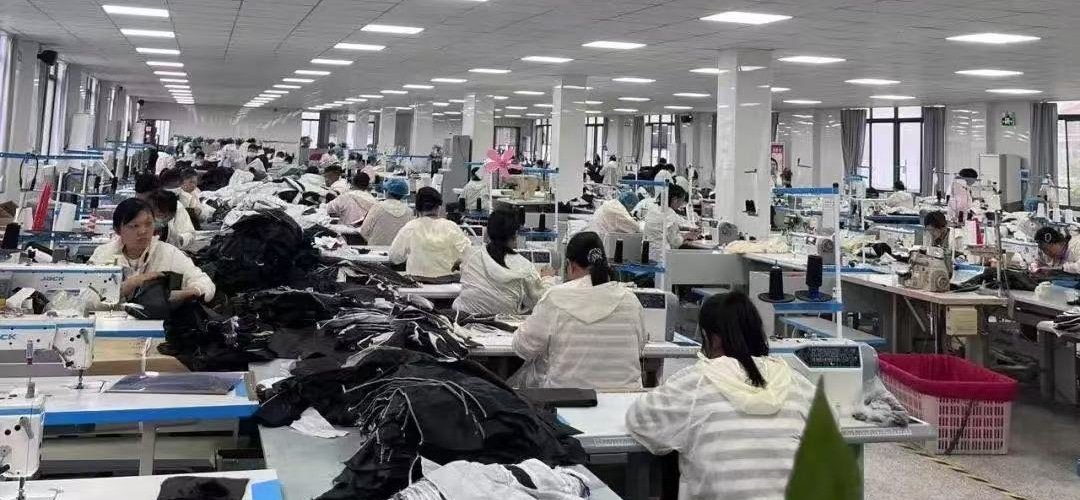
A capable manufacturer can help with:
- Sustainable fabric sourcing
- Production suggestions
- Quality control
For example:
👉 Fuki Apparel helps streetwear brands develop custom products with flexible sourcing solutions and OEM manufacturing support.
Step 4: Communicate Sustainability Clearly
Avoid vague claims.
Customers respond better to specific information:
- Fabric composition
- Manufacturing process
- Certifications
Internal & External Resources
Internal Resources
Industry Resources
FAQ
What is sustainable clothing manufacturing?
It is the process of producing garments with reduced environmental impact through better materials and production methods.
Are sustainable fabrics more expensive?
Usually yes, but they can provide stronger brand value and customer trust.
What sustainable materials are most popular?
Organic cotton, recycled polyester, and recycled nylon are among the most common choices.
Do small brands need sustainable manufacturing?
Yes. Even startups can begin with small improvements such as better fabrics and responsible suppliers.
Is sustainable clothing only about materials?
No. It also includes production methods, waste reduction, quality control, and supply chain transparency.
Final Thoughts
From my experience, sustainable clothing manufacturing is becoming a standard expectation rather than a future trend.
The brands that succeed will not simply claim sustainability—they will build better products through smarter sourcing decisions.
The best approach is to start realistically:
- Improve materials
- Choose reliable manufacturers
- Build products that last
If you are developing a streetwear or private label clothing brand, working with an experienced OEM partner like:
can help you balance sustainability, quality, and production efficiency.
