
If you're building a fashion brand in 2026, you've probably noticed one major shift:
👉 Private label clothing is becoming the fastest-growing model in the apparel industry.
From my experience working with OEM factories and startup brands, I’ve seen a clear movement away from traditional manufacturing toward private label production because it gives brands more control, faster speed, and better profit margins.
In this article, I’ll break down why private label clothing brands are rising so fast in 2026 and what smart brands are doing right now to take advantage of this shift.
Table of Contents
- Quick Answer
- What Is Private Label Clothing?
- Why Private Label Is Growing in 2026
- Key Industry Drivers
- Private Label vs Traditional Manufacturing
- What Successful Brands Are Doing Now
- How to Start a Private Label Brand
- Internal & External Resources
- FAQ
- Final Thoughts
Quick Answer
Private label clothing brands are growing in 2026 because they allow entrepreneurs to:
- Launch faster with lower risk
- Build unique branding without full manufacturing setup
- Control pricing and margins
- Scale production more efficiently
- Reduce inventory risk
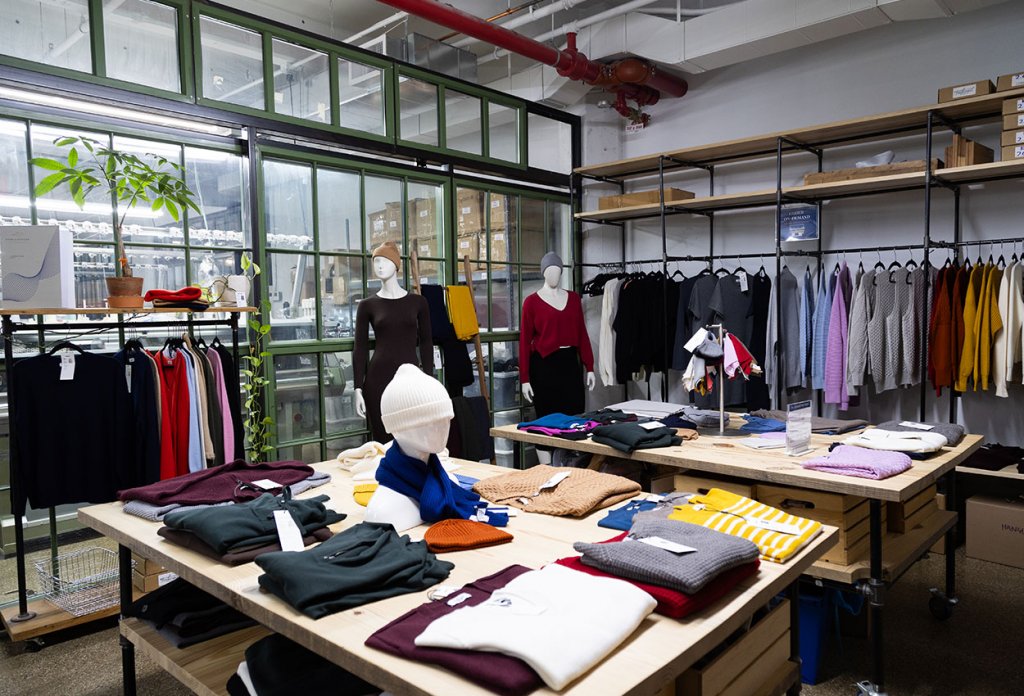
👉 In simple terms: private label = faster brand building with lower production barriers.
What Is Private Label Clothing?
Private label clothing means working with a manufacturer that produces garments under your own brand name.
Instead of building everything from scratch, you:
- Select existing styles or templates
- Customize fabrics, colors, labels, and fit
- Sell under your own brand identity
From my experience, this model is especially powerful for new fashion entrepreneurs who want to enter the market quickly without heavy investment.
Why Private Label Is Growing in 2026
1. Faster Brand Launch Cycles
Brands no longer wait 6–12 months to launch.
Now they launch in:
- 2–6 weeks (fast fashion cycle model)
- Small test drops first
- Then scale based on demand
2. Lower Financial Risk
Instead of investing heavily in production upfront, brands:
- Start with low MOQ
- Test products in real markets
- Scale only what sells
3. Rise of DTC Brands
Direct-to-consumer brands rely heavily on:
- Private label manufacturing
- Fast product iteration
- Flexible supply chains
Key Industry Drivers
1. Social Media-Led Demand
TikTok and Instagram trends change weekly, forcing brands to react faster.
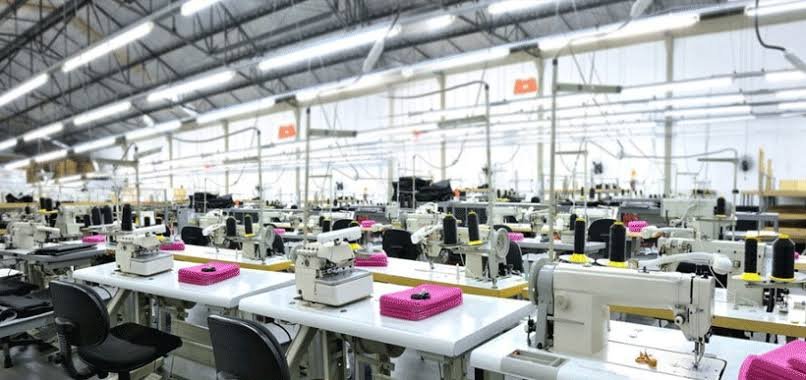
2. Global Supply Chain Flexibility
Factories now offer:
- Low MOQ production
- Faster sampling
- Digital communication tools
3. Consumer Demand for Unique Branding
Customers want:
- Unique identity
- Not mass-market products
- Brand storytelling
Private Label vs Traditional Manufacturing
| Factor | Private Label | Traditional Manufacturing |
|---|---|---|
| Speed | Fast | Slow |
| Cost | Lower entry cost | Higher upfront cost |
| Customization | Medium–High | Very High |
| Risk | Low | High |
| Best For | New & growing brands | Large established brands |
What Successful Brands Are Doing Now
From my experience working with growing apparel brands, successful companies in 2026 are doing the following:
1. Launching Micro Collections
Instead of large seasonal drops, brands now release:
- Small capsule collections
- Fast test products
- Weekly or monthly updates
2. Using OEM Private Label Factories
For example:
👉 Fuki Apparel helps brands launch private label streetwear with low MOQ, fast sampling, and scalable production systems.
3. Prioritizing Speed Over Perfection
Brands now focus on:
- Getting to market quickly
- Collecting feedback
- Improving iteratively
4. Building Lean Inventory Systems
Instead of overstocking, brands:
- Produce small batches first
- Reorder based on sales data
How to Start a Private Label Brand
Step 1: Choose Your Product Direction
Focus on:
- Hoodies
- T-shirts
- Sweatpants
- Jackets
Step 2: Find a Reliable OEM Factory
Look for:
- Low MOQ support
- Sampling capability
- Strong communication
Step 3: Develop Your First Samples
From my experience, samples are where most brands succeed or fail.
Step 4: Launch Small Batch Production
Start small, test demand, then scale.
Step 5: Optimize Based on Feedback
Improve:
- Fit
- Fabric
- Branding details
Internal & External Resources
Internal Resources
Industry Resources
FAQ
What is private label clothing?
Private label clothing is when a manufacturer produces garments under your own brand name.
Is private label profitable?
Yes, because it allows higher control over pricing and branding.
Do I need a factory to start a private label brand?
No. You can work with OEM factories that already handle production.
What is the MOQ for private label clothing?
It varies, but many modern factories offer 50–200 pieces per style.
Is private label better than wholesale?
For brand building, yes—because you control branding and pricing.
Final Thoughts
From my experience, private label clothing is becoming the foundation of modern fashion entrepreneurship.
It removes many traditional barriers—high MOQ, long development cycles, and expensive setup costs—allowing more brands to enter the market faster.
The brands that succeed in 2026 are not the ones with the biggest factories, but the ones with the fastest execution and strongest brand identity.
If you're planning to build a private label streetwear brand, working with a flexible OEM partner like:
can help you move from idea to production quickly while maintaining quality and scalability.
