
If you’ve been paying attention to streetwear or modern fashion lately, you’ve probably noticed one clear trend:
👉 Heavyweight clothing is everywhere right now.
From my experience working with apparel manufacturers and fashion brands, this shift didn’t happen by accident. It reflects a deeper change in how consumers think about quality, durability, and brand identity.
In this guide, I’ll break down why heavyweight garments are dominating the market and what brands should learn from this movement.
Table of Contents
- Quick Answer
- What Is Heavyweight Clothing?
- Why Heavyweight Apparel Is Growing
- Key Market Drivers
- Heavyweight vs Regular Fabric Comparison
- What Smart Brands Are Doing
- Should You Use Heavyweight Fabrics?
- Internal & External Resources
- FAQ
- Final Thoughts
Quick Answer
Heavyweight clothing is dominating the apparel market because it offers:
- Better durability
- Premium brand perception
- Stronger streetwear aesthetics
- Higher comfort and structure
- Long-lasting quality
👉 In simple terms: consumers now prefer “feel and weight” as a signal of quality.
What Is Heavyweight Clothing?
Heavyweight clothing typically refers to garments made with thicker, denser fabrics.
Common GSM ranges:
- Standard T-shirt: 140–180 GSM
- Heavyweight T-shirt: 220–300 GSM
- Heavyweight hoodie: 400–600+ GSM
From my experience, the moment brands switch to heavyweight fabrics, their perceived value increases immediately.
Why Heavyweight Apparel Is Growing
This trend is driven by changes in consumer behavior.
1. Shift Toward Quality Over Fast Fashion
Consumers are tired of disposable clothing.
They now prefer:
- Longer-lasting garments
- Better stitching
- Higher fabric density
2. Streetwear Influence
Streetwear brands have heavily popularized:
- Boxy fits
- Oversized silhouettes
- Thick fabric structures
3. Premium Brand Positioning
Heavyweight clothing naturally feels more premium due to:
- Fabric thickness
- Structure
- Weight in hand
Key Market Drivers
1. Social Media Aesthetics
Heavyweight garments photograph better because they:
- Hold shape
- Create clean silhouettes
- Look more structured
2. Consumer Perception Psychology
People often associate:
👉 heavier fabric = higher quality
Even before testing durability.
3. Better Customization Results
From my experience, heavyweight fabrics are better for:
- Puff print
- Embroidery
- Oversized designs
Heavyweight vs Regular Fabric Comparison
| Feature | Heavyweight Clothing | Regular Clothing |
|---|---|---|
| Durability | High | Medium |
| Structure | Strong | Soft |
| Cost | Higher | Lower |
| Brand Perception | Premium | Standard |
| Streetwear Use | Very common | Limited |
What Smart Brands Are Doing
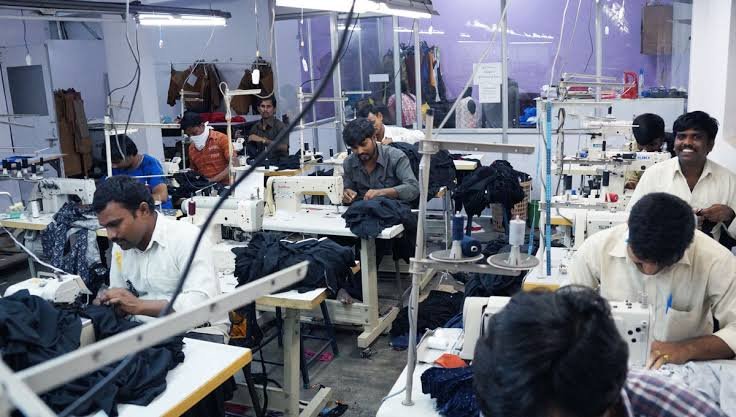
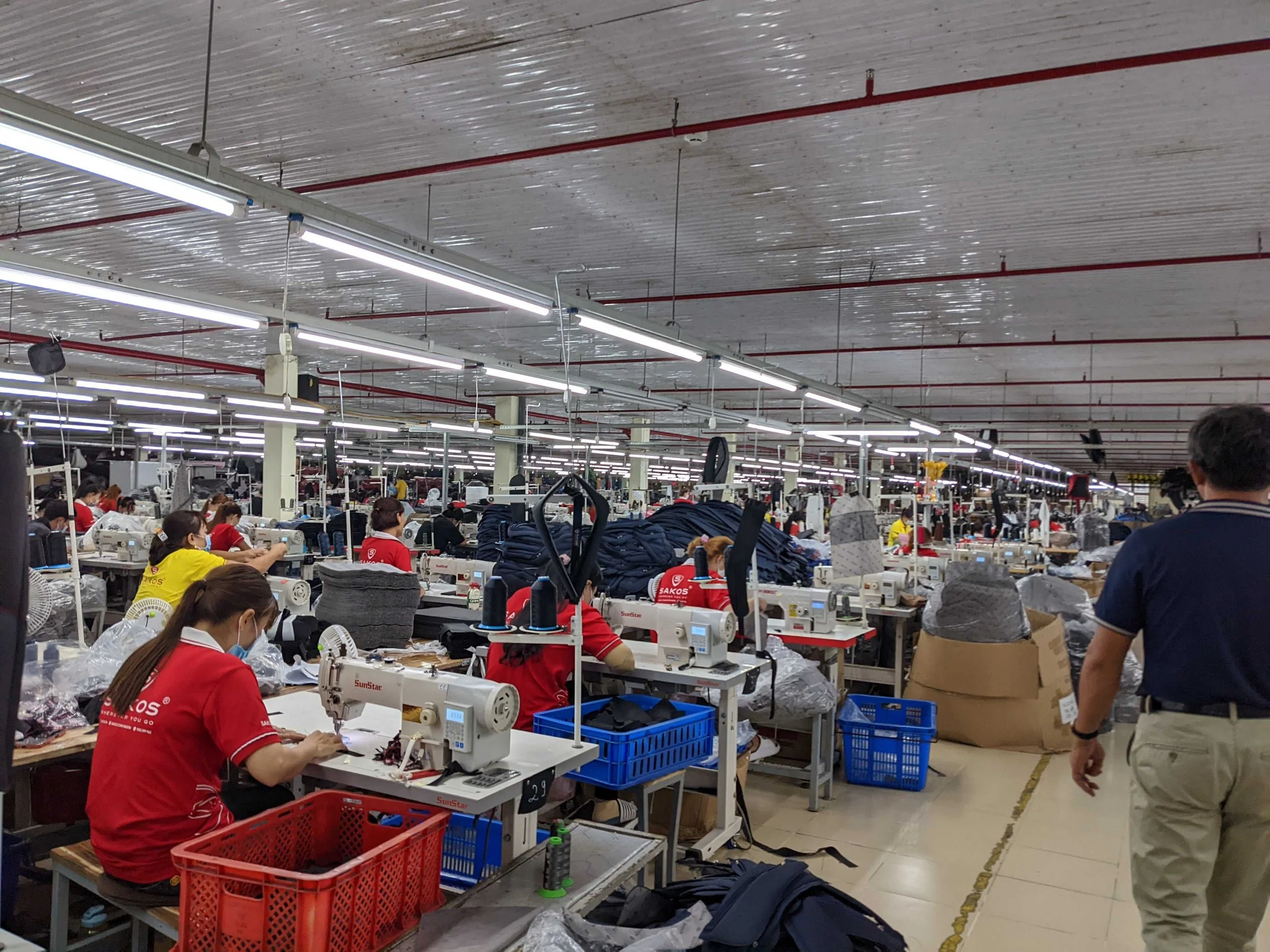
From working with OEM factories, I’ve seen successful brands consistently:
1. Launching Heavyweight Core Collections
Most modern streetwear brands start with:
- 280–320 GSM T-shirts
- 500–600 GSM hoodies
2. Using Fabric Weight as Branding
Instead of just logos, brands now market:
- “300 GSM cotton”
- “500 GSM fleece hoodie”
3. Reducing SKU Complexity
Heavyweight garments naturally reduce product variation while increasing perceived value.
4. Working With Specialized Manufacturers
For example:
👉 Fuki Apparel specializes in heavyweight streetwear production with custom GSM options for emerging and established fashion brands.
Should You Use Heavyweight Fabrics?
From my experience, here’s how to decide:
Use heavyweight clothing if you want:
- Premium streetwear positioning
- Higher price point branding
- Strong visual identity
- Long-lasting products
Avoid it if you need:
- Ultra-light summer basics
- Low-cost mass production
- Fast fashion turnover
Internal & External Resources
Internal Resources
Industry Resources
FAQ
Why is heavyweight clothing so popular?
Because it offers better durability, structure, and premium brand perception.
Is heavyweight clothing better quality?
Generally yes—thicker fabric usually lasts longer and holds shape better.
Is heavyweight clothing more expensive?
Yes, due to higher fabric usage and production cost.
What GSM is considered heavyweight?
Typically 220 GSM+ for T-shirts and 400 GSM+ for hoodies.
Is heavyweight clothing good for all seasons?
It is best for fall and winter, but lightweight versions are still used in summer streetwear styling.
Final Thoughts
From my experience, heavyweight clothing isn’t just a trend—it’s a shift in how consumers define quality.
Instead of chasing fast fashion, buyers now prefer garments that feel substantial, durable, and premium.
Brands that understand this shift are the ones building stronger long-term positioning.
If you're building a streetwear or private label brand, working with a specialized OEM manufacturer like:
can help you develop high-quality heavyweight collections that align with today’s market demand.
