
If you're building a clothing brand in 2026, the manufacturing landscape is changing faster than ever.
From my experience working with apparel factories and startup brands, I’ve noticed a clear shift:
👉 brands are no longer just looking for “cheap production”—they are looking for speed, flexibility, and consistency.
In this guide, I’ll break down the most important clothing manufacturing trends in 2026 and what real brands are actually doing right now to stay competitive.
Table of Contents
- Quick Answer
- Why 2026 Is a Turning Point
- Top Clothing Manufacturing Trends in 2026
- What Smart Brands Are Doing Now
- Trend Comparison Table
- What You Should Do as a Brand Owner
- Internal & External Resources
- FAQ
- Final Thoughts
Quick Answer
In 2026, clothing manufacturing trends are focused on:
- Faster sampling cycles
- Low MOQ production models
- Sustainable fabric sourcing
- On-demand / flexible production
- Digital communication with factories
- Higher quality control standards
- Nearshoring + hybrid sourcing strategies
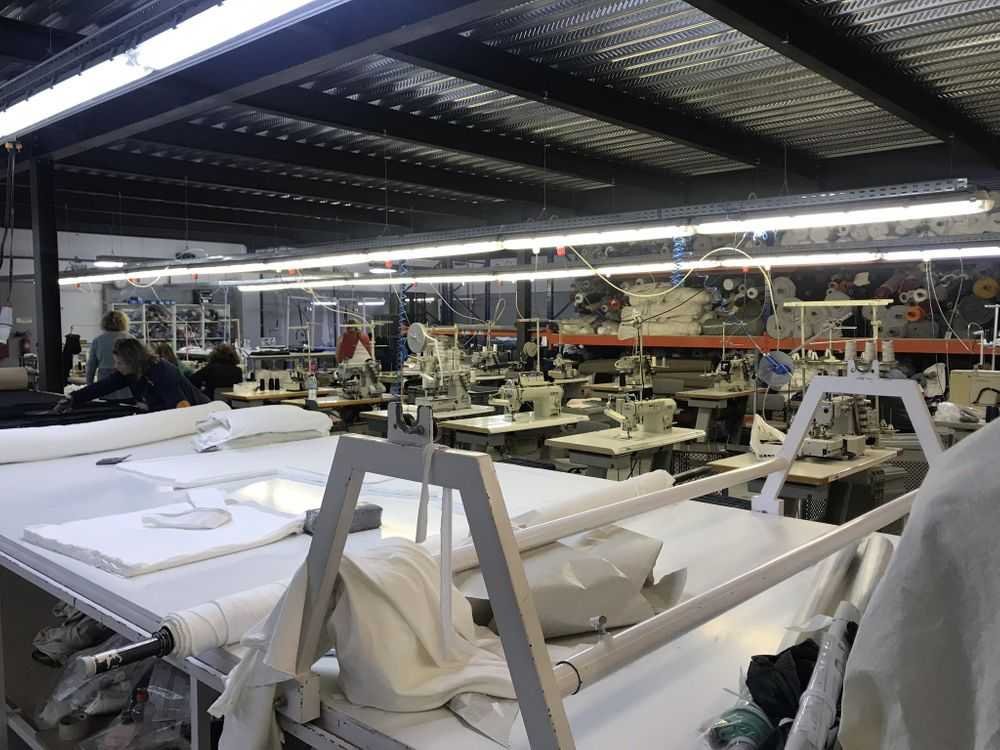
👉 In simple terms: brands want speed + flexibility without sacrificing quality.
Why 2026 Is a Turning Point
From my experience, 2026 is different because global supply chains have permanently changed.
Three major shifts are happening:
1. Faster Market Cycles
Brands now drop collections every 2–6 weeks instead of seasonal releases.
2. Smaller Inventory Strategy
Overstock risk is too expensive, so brands are ordering smaller batches.
3. Higher Customer Expectations
Customers expect:
- Better quality
- Faster delivery
- More unique designs
Top Clothing Manufacturing Trends in 2026
1. Low MOQ Production Is Becoming Standard
Factories are adapting to startup culture.
Instead of 1000 pcs minimums, many now offer:
- 50–100 pcs per style
- Flexible color breakdowns
- Trial production runs
2. Digital Sampling & Virtual Development
From my experience, more factories now use:
- 3D garment simulation
- Digital tech packs
- Virtual approvals before physical sampling
This reduces time and cost.
3. Sustainability Is No Longer Optional
Brands are increasingly requesting:
- Organic cotton
- Recycled polyester
- OEKO-TEX certified fabrics
👉 See: https://www.oeko-tex.com/
4. On-Demand Manufacturing Models
Instead of mass production upfront, brands produce:
- Small batches first
- Then scale based on sales
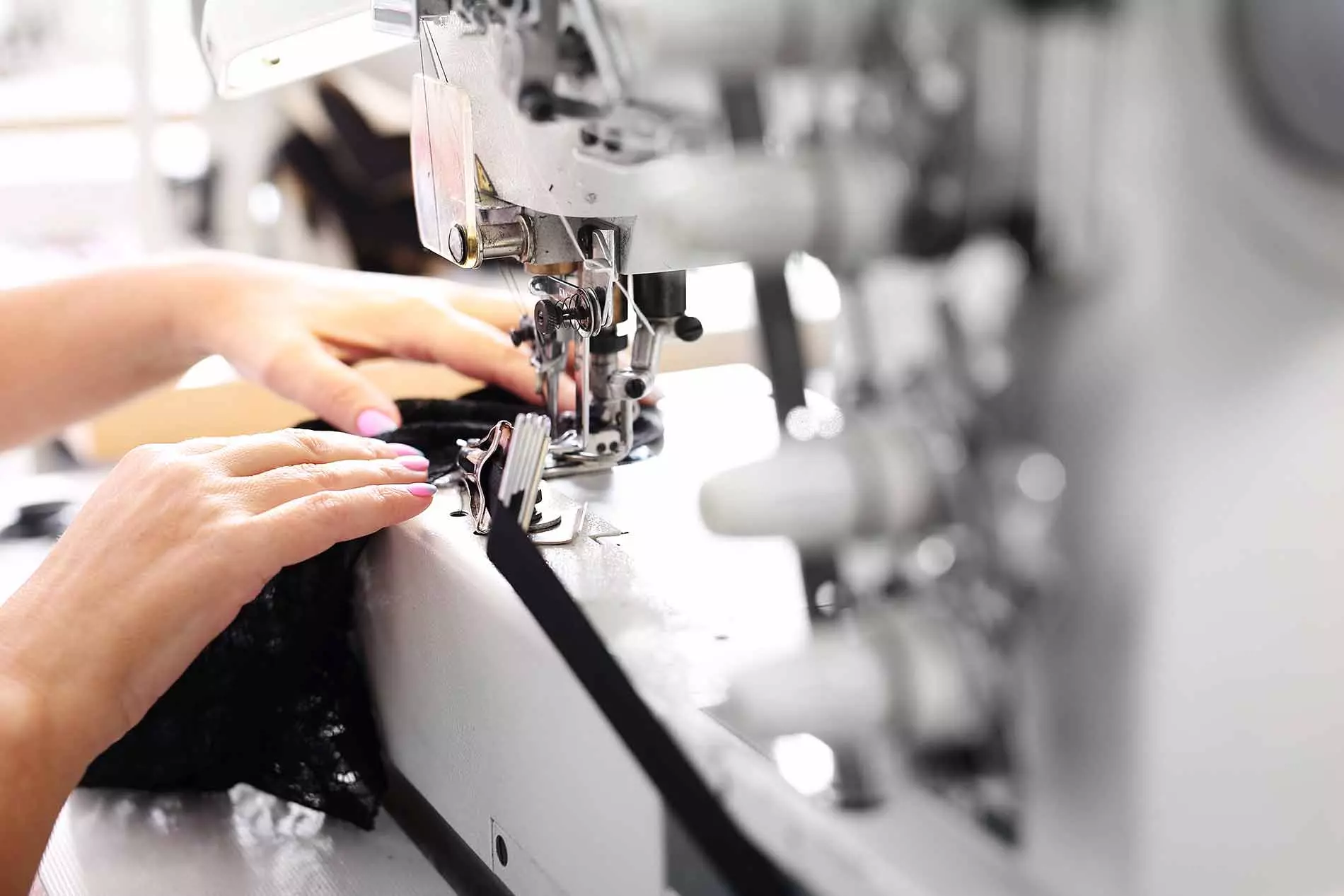
This reduces financial risk significantly.
5. Hybrid Sourcing (China + Global)
Brands now combine:
- China for bulk production
- Local factories for fast replenishment
6. AI-Assisted Product Development
Factories are starting to use AI for:
- Fabric prediction
- Trend forecasting
- Pattern optimization
7. Faster Sampling Cycles
What used to take 2–3 weeks now often takes:
- 5–10 days for simple styles
- 10–15 days for complex garments
What Smart Brands Are Doing Now
From my experience working with growing apparel brands, successful companies are doing the following:
1. Testing Before Scaling
They always start with small runs before mass production.
2. Working With Flexible OEM Factories
For example:
👉 Fuki Apparel helps brands launch with low MOQ, fast sampling, and scalable streetwear production.
3. Reducing Design Complexity
Simple designs = faster production = lower risk.
4. Prioritizing Speed Over Over-Optimization
Brands now prefer:
- Faster launches
- Real market feedback
- Iterative improvements
Trend Comparison Table
| Trend Area | 2023 Approach | 2026 Approach |
|---|---|---|
| MOQ | High (500–1000 pcs) | Low (50–200 pcs) |
| Sampling | Slow (2–4 weeks) | Fast (5–10 days) |
| Production | Mass batches | Small + scalable batches |
| Fabric sourcing | Traditional | Sustainable + digital |
| Brand strategy | Seasonal drops | Frequent micro-drops |
What You Should Do as a Brand Owner
If you're starting or scaling a clothing brand in 2026, here’s what I recommend based on real sourcing experience:
Step 1: Start Small
Test demand before scaling production.
Step 2: Choose Flexible Manufacturers
Work with factories that support:
- Low MOQ
- Fast sampling
- Multiple product categories
Step 3: Simplify Your First Collection
Avoid overcomplicated designs in the beginning.
Step 4: Focus on Repeatability
Your goal is not just one product—it’s repeatable production.
Internal & External Resources
Internal Resources
Industry Resources
FAQ
What is the biggest trend in clothing manufacturing in 2026?
Low MOQ and fast production cycles are the biggest shifts.
Are clothing factories getting faster?
Yes. Digital tools and streamlined production are significantly reducing lead times.
Is sustainability important in 2026?
Yes, many brands now require certified sustainable fabrics as standard.
What is the best strategy for new brands?
Start small, test products, then scale based on demand.
Do factories support small brands now?
Yes, many OEM factories now specialize in low MOQ production for startups.
Final Thoughts
From my experience, clothing manufacturing in 2026 is no longer about who can produce the cheapest—it’s about who can move the fastest with the least risk.
Brands that succeed are the ones that adapt to:
- Lower MOQ models
- Faster sampling
- Flexible production systems
If you're building a modern streetwear or private label brand, working with an adaptable OEM partner like:
can help you stay competitive in a fast-changing market.
