
Launching a clothing brand is exciting, but one challenge almost every startup faces is Minimum Order Quantity (MOQ).
Many entrepreneurs worry they can't afford to order hundreds or even thousands of pieces before proving their products will sell.
The good news is that reducing MOQ is often possible—if you understand how clothing factories make production decisions.
From my experience working with fashion startups and OEM apparel manufacturers, factories are usually willing to negotiate MOQ when both sides understand each other's goals.
In this guide, I'll explain practical strategies that professional brands use to reduce MOQ while maintaining product quality and building long-term manufacturing partnerships.
Table of Contents
- Quick Answer
- What Is MOQ?
- Why Clothing Factories Set MOQs
- 7 Ways to Reduce MOQ
- What You Should Avoid
- Low MOQ vs High MOQ
- Helpful Resources
- FAQ
- Final Thoughts
Quick Answer
MOQ (Minimum Order Quantity) is the smallest number of products a factory is willing to produce.
You can often negotiate a lower MOQ by:
- Choosing stock fabrics
- Simplifying customization
- Ordering multiple products together
- Building a long-term relationship
- Paying reasonable sample fees
- Being flexible with colors and sizes
- Working with experienced low-MOQ manufacturers
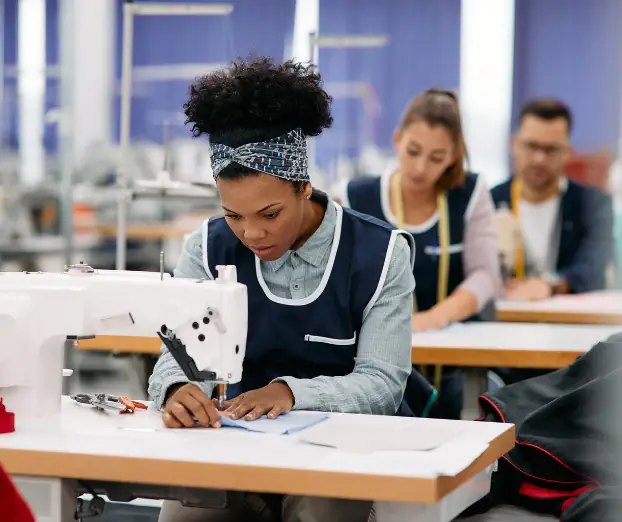
The goal is to reduce production risk for both you and the factory.
What Is MOQ?
MOQ stands for Minimum Order Quantity.
It represents the smallest production run that allows a factory to operate efficiently while covering costs such as:
- Fabric sourcing
- Pattern making
- Machine setup
- Labor
- Quality inspection
- Packaging
Factories don't create MOQs to discourage small brands—they do it to keep production profitable.
Why Clothing Factories Set MOQs
Understanding the factory's perspective makes negotiation much easier.
Material Purchasing
Many fabrics must be purchased in bulk from textile mills.
Production Efficiency
Changing machines and production lines takes time.
Small orders often require almost the same setup as large ones.
Labor Costs
Workers spend similar amounts of time preparing small and large production runs.
Quality Control
Every order still requires inspections, measurements, and packaging regardless of quantity.
From my experience, once brands understand these costs, they negotiate much more effectively.
7 Ways to Reduce MOQ
1. Choose Stock Fabrics
Using fabrics already in the factory's inventory eliminates the need for large custom fabric purchases.
This is often the easiest way to lower MOQ.
2. Simplify Customization
The more customized your product is, the higher the MOQ usually becomes.
For example, reducing:
- Custom colors
- Special trims
- Unique fabrics
can significantly lower production requirements.
3. Combine Multiple Styles
Instead of ordering one large quantity of a single product, ask whether different styles can share the same fabric and production schedule.
Many factories are willing to combine:
- Hoodies
- Sweatpants
- Shorts
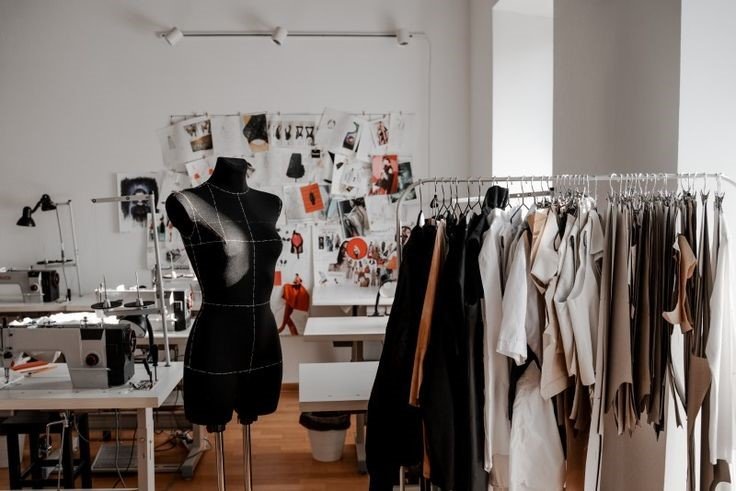
when they use identical materials.
4. Accept Standard Accessories
Using existing:
- Zippers
- Buttons
- Drawcords
- Labels
helps reduce sourcing costs.
5. Build a Long-Term Relationship
Factories are much more flexible with customers they expect to work with repeatedly.
Be transparent about your growth plans.
Many suppliers are willing to support smaller first orders if they believe larger orders will follow.
6. Order Samples Professionally
Paying for quality samples demonstrates commitment.
Factories are more willing to negotiate MOQ when they know you're serious.
7. Work With Low MOQ Manufacturers
Some manufacturers specialize in helping startups.
For example:
Fuki Apparel supports low MOQ private label streetwear production, making it easier for emerging brands to launch without excessive inventory.
What You Should Avoid
I've seen many new brands make the same mistakes.
Avoid:
❌ Demanding unrealistic MOQs
❌ Negotiating only on price
❌ Changing specifications repeatedly
❌ Ordering custom fabrics for tiny quantities
❌ Ignoring sample approval
Professional communication usually leads to better negotiations.
Low MOQ vs High MOQ
| Factor | Low MOQ | High MOQ |
|---|---|---|
| Investment | Lower | Higher |
| Inventory Risk | Low | High |
| Unit Cost | Slightly Higher | Lower |
| Flexibility | Excellent | Limited |
| Best For | Startups | Established Brands |
There's no universal "best" MOQ.
The right quantity depends on your business stage and sales forecast.
Helpful Resources
Internal Resources
Industry Resources
FAQ
Can clothing factories reduce MOQ?
Yes. Many factories are willing to negotiate MOQ depending on fabrics, customization, and future cooperation.
What is a reasonable MOQ for startups?
Many startup brands begin with 100–300 pieces per style, although some manufacturers offer even lower quantities.
Does a lower MOQ increase the unit price?
Usually yes, because fixed production costs are spread across fewer garments.
Is low MOQ always the best option?
Not necessarily. If demand is predictable, a larger order can significantly reduce your production cost.
How do I convince a factory to lower MOQ?
Communicate professionally, show long-term potential, simplify product requirements, and be flexible where possible.
Final Thoughts
From my experience, reducing MOQ isn't about negotiating aggressively—it's about understanding how factories operate and finding solutions that benefit both sides.
The most successful brands build trust first and negotiate second.
If you're looking for an experienced OEM manufacturer that supports low MOQ production, Fuki Apparel offers private label streetwear manufacturing, flexible order quantities, premium fabrics, and end-to-end production support for growing fashion brands.
