
If you've come across Seventh Clothing online, you may be wondering:
Who actually owns Seventh Clothing?
This is a common question because many modern streetwear brands operate differently from traditional fashion houses, with limited public corporate information and strong digital-first branding.
From my experience working with streetwear brands and OEM apparel manufacturing, I’ve seen that brands like “Seventh” often focus more on branding, marketing, and online presence than on publicly revealing ownership structures.
In this guide, I’ll explain what is generally known, how brands like Seventh typically operate, and what this tells us about modern fashion businesses.
Table of Contents
- Quick Answer
- Who Owns Seventh Clothing?
- Why Ownership Is Not Always Public
- What Type of Brand Is Seventh Clothing?
- How Brands Like Seventh Operate
- Comparison With Traditional Fashion Brands
- Lessons for Fashion Brands
- FAQ
- Final Thoughts
Quick Answer
There is no widely verified public information confirming a single, clearly identified founder or corporate owner of Seventh Clothing in the same way as legacy fashion brands.
Instead, Seventh Clothing appears to operate as a:
- Modern digital streetwear brand
- E-commerce-driven label
- Branding-focused fashion project
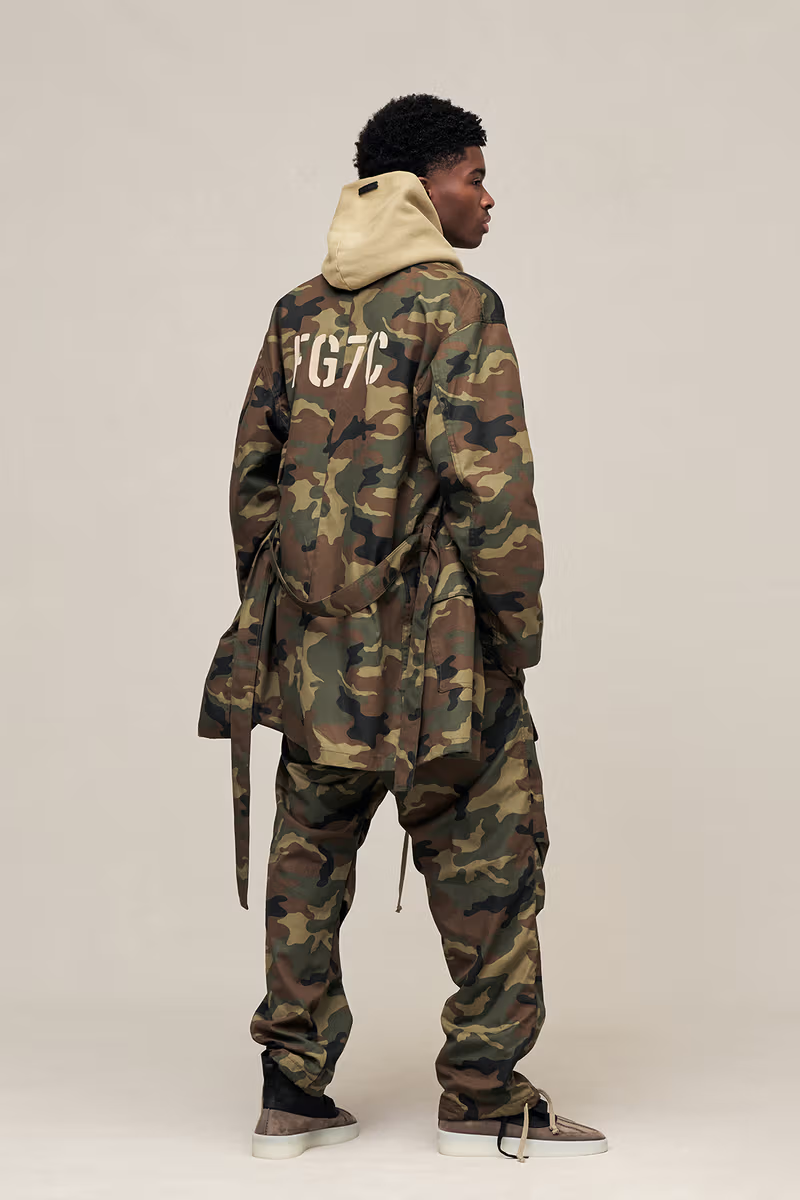
In many cases like this, ownership is either:
- Private and undisclosed, or
- Managed through small creative teams or business groups
Who Owns Seventh Clothing?
Based on available public information patterns in the streetwear industry, Seventh Clothing is likely managed by:
- A private founder or small founding team
- A branding or marketing-driven organization
- Possibly outsourced production and fulfillment partners
However, no confirmed public corporate owner is consistently documented, which is common in new-age fashion brands.
From my perspective in apparel manufacturing, this is not unusual—many emerging streetwear labels prioritize brand identity over corporate transparency.
Why Ownership Is Not Always Public
Modern fashion brands often choose not to publicly disclose ownership for several reasons:
1. Digital-First Business Model
Many brands operate entirely online without physical headquarters.
2. Private Label Manufacturing
Production is typically handled by third-party OEM factories.
For example:
👉 Many brands work with manufacturers like Fuki Apparel to produce:
- Hoodies
- T-shirts
- Cargo pants
- Streetwear collections
- Custom private label garments
In this model, the factory and brand are completely separate.
3. Branding Over Corporate Identity
Some brands focus on aesthetics and storytelling rather than corporate structure.
What Type of Brand Is Seventh Clothing?
Seventh Clothing fits into the category of:
- Online streetwear brand
- Minimal aesthetic fashion label
- Direct-to-consumer (DTC) brand
- Social media-driven apparel company
Typical characteristics include:
- Clean branding
- Minimal product descriptions
- Instagram/TikTok marketing
- Trend-focused releases
How Brands Like Seventh Operate
From an OEM manufacturing perspective, most brands like Seventh Clothing follow a simple structure:
Step 1: Brand Concept Creation
- Name selection
- Logo and identity design
- Visual direction
Step 2: Product Design
- Tech pack creation
- Fabric selection
- Sample development
Step 3: Manufacturing
Production is usually outsourced to factories such as:
👉 Fuki Apparel which provides OEM services like:
- Custom hoodie production
- Streetwear development
- Fabric sourcing
- Private label branding
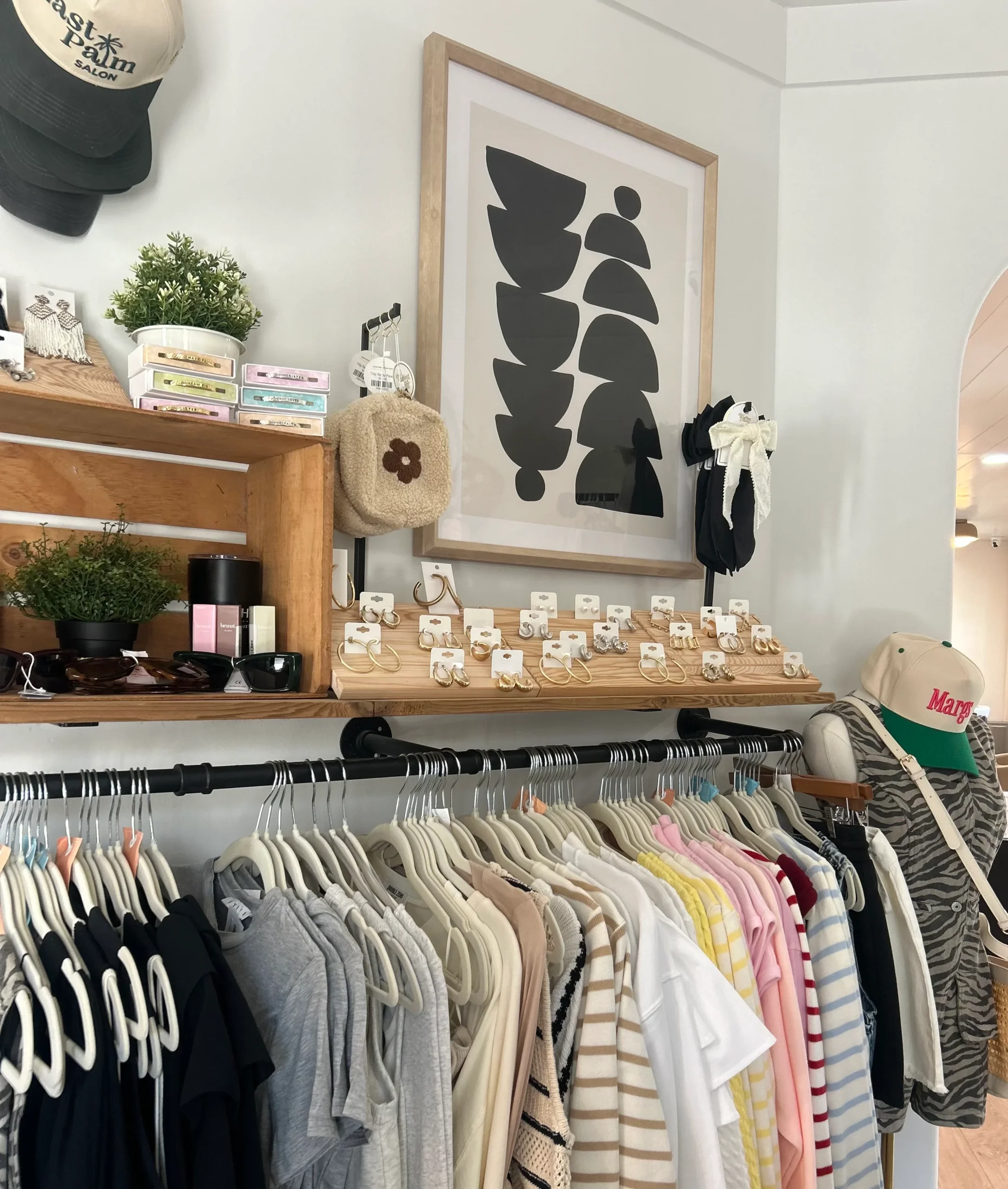
Step 4: Online Sales
- Shopify stores
- Social media shops
- Global shipping fulfillment
Comparison With Traditional Fashion Brands
| Type | Ownership Transparency | Structure | Example |
|---|---|---|---|
| Traditional Fashion Brand | High | Corporate + retail | Nike |
| Luxury Brand | High | Public groups | LVMH brands |
| Modern Streetwear Brand | Low–Medium | Private/Digital | Seventh Clothing style brands |
Lessons for Fashion Brands
From my experience in apparel manufacturing, brands like Seventh Clothing highlight several important industry shifts.
1. Branding matters more than structure
Consumers care more about aesthetic identity than corporate ownership.
2. OEM manufacturing enables anonymity
Brands can scale without owning factories.
3. Social media replaces traditional PR
Instagram and TikTok are now primary discovery channels.
4. Speed matters more than transparency
Fast product cycles often outweigh corporate disclosure.
If you're building a similar brand, working with an experienced OEM partner is essential.
👉 Fuki Apparel helps startups develop:
- Streetwear collections
- Custom branding
- Low MOQ production
- Full private label solutions
FAQ
Who owns Seventh Clothing?
There is no widely confirmed public owner or corporate structure disclosed for Seventh Clothing.
Is Seventh Clothing a real company?
Yes, it operates as a modern online fashion brand, but its ownership details are not publicly transparent.
Why don’t some clothing brands reveal their owners?
Many modern streetwear brands prioritize branding and marketing over corporate visibility, especially in DTC e-commerce models.
Is Seventh Clothing a luxury brand?
No, it is generally positioned as a mid-tier or streetwear-style fashion brand.
How are brands like Seventh Clothing produced?
Most are manufactured through OEM/ODM factories, often in countries like China, Turkey, or Portugal.
Final Thoughts
From my perspective, the question “Who owns Seventh Clothing?” reflects a bigger shift in the fashion industry.
Today’s streetwear brands are often:
- Digitally built
- Privately operated
- Manufacturing outsourced
- Marketing-driven
Ownership is no longer the defining factor—brand identity and execution matter more.
If you're planning to build your own streetwear label, partnering with an OEM manufacturer like:
can help you transform your ideas into real, scalable fashion products without needing a traditional corporate structure.
