
If you've explored Japanese fashion or designer streetwear, you've almost certainly come across the brand Undercover.
Its collections are often described as artistic, rebellious, and thought-provoking.
But many people still ask:
What is the meaning of Undercover?
Is it simply a fashion brand name, or does it represent something deeper?
From my experience working with streetwear brands and apparel manufacturers, Undercover is one of the best examples of a brand whose name perfectly reflects its creative philosophy. It blends underground culture, punk influences, and high fashion into a style that feels both mysterious and timeless.
In this guide, I'll explain what the name Undercover means, why founder Jun Takahashi chose it, and what fashion entrepreneurs can learn from one of Japan's most influential designer labels.
Table of Contents
- Quick Answer
- What Does "Undercover" Mean?
- The Story Behind the Brand Name
- How Undercover Reflects Its Philosophy
- Why Undercover Became Influential
- Lessons for Fashion Brands
- FAQ
- Final Thoughts
Quick Answer
The word "Undercover" generally means hidden, secret, or operating discreetly.
For the fashion brand, however, the name represents much more than its dictionary definition.
Founded by Jun Takahashi in 1990, Undercover symbolizes:
- Underground culture
- Individuality
- Creative rebellion
- Artistic experimentation
- Fashion without boundaries
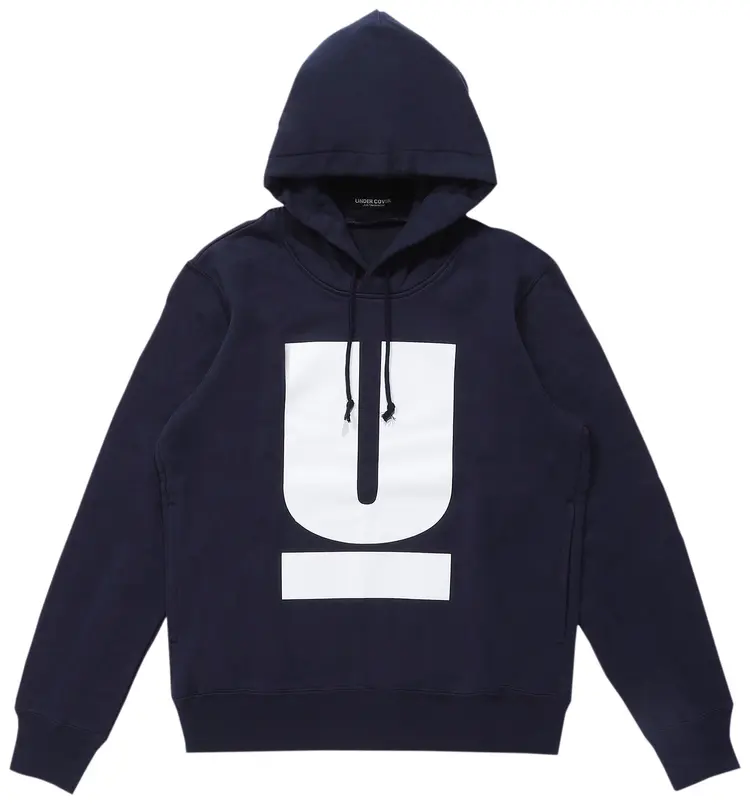
Rather than simply describing clothing, the name reflects the brand's unconventional approach to design.
What Does "Undercover" Mean?
In everyday English, undercover refers to someone or something operating secretly, often without revealing its true identity.
Examples include:
- Undercover police officers
- Hidden investigations
- Secret operations
For Jun Takahashi, the word became a metaphor for fashion that exists outside the mainstream.
From my perspective, Undercover represents creativity that doesn't seek attention through trends—it earns recognition through originality.
The Story Behind the Brand Name
Undercover was founded in Tokyo, Japan, by designer Jun Takahashi.
Influenced by:
- Punk music
- British subculture
- Avant-garde fashion
- Japanese craftsmanship
Takahashi wanted to build a brand that challenged conventional fashion.
The name "Undercover" reflects that mission.
Rather than following luxury fashion traditions, the brand embraced independent thinking and artistic freedom.
How Undercover Reflects Its Philosophy
The brand's identity is expressed through every collection.
1. Underground Inspiration
Many collections draw influence from:
- Punk culture
- Alternative music
- Contemporary art
- Film
- Literature
These inspirations give Undercover a distinctive voice.
2. Controlled Chaos
Undercover often combines:
- Tailoring
- Technical fabrics
- Distressed details
- Unexpected graphics
- Experimental silhouettes
The result feels unconventional yet carefully balanced.
3. Storytelling Through Fashion
Each collection typically explores a central concept rather than simply introducing seasonal trends.
This narrative approach has become one of the brand's defining characteristics.
4. Premium Craftsmanship
Despite its rebellious image, Undercover is known for:
- High-quality construction
- Premium fabrics
- Attention to detail
- Innovative garment development
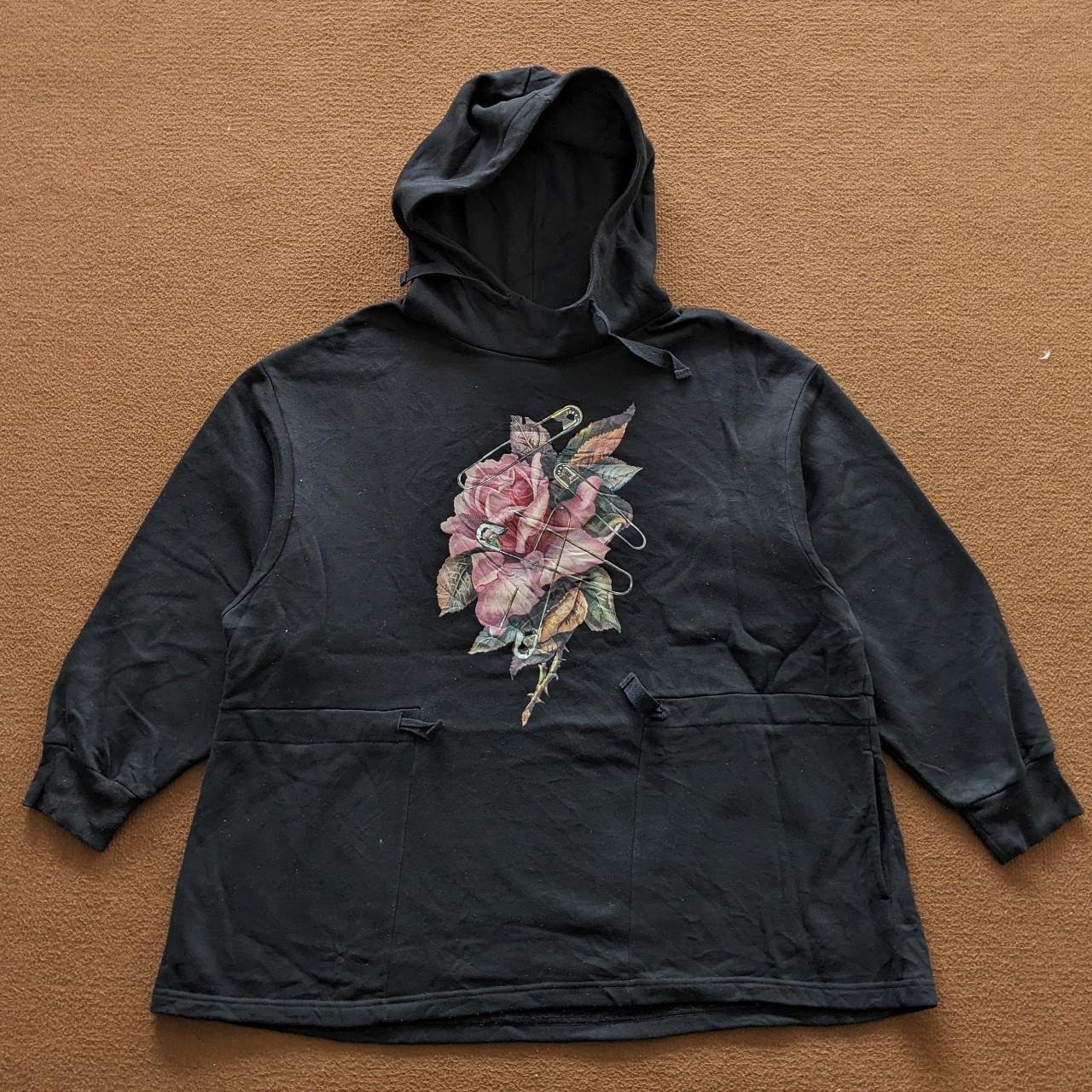
This balance between creativity and craftsmanship sets it apart from many streetwear labels.
Why Undercover Became Influential
From my experience in apparel manufacturing, Undercover succeeded because it consistently stayed true to its vision.
Artistic Identity
The brand creates fashion with emotional and cultural depth.
Limited Collaborations
Undercover has partnered with brands including:
- Nike
- Supreme
- Levi's
- Uniqlo
- Valentino
Each collaboration maintains the brand's distinctive aesthetic.
Consistency
For more than three decades, Undercover has remained committed to originality rather than chasing commercial trends.
Comparison with Other Designer Streetwear Brands
| Brand | Country | Design Style | Main Influence |
|---|---|---|---|
| Undercover | Japan | Avant-Garde Streetwear | Punk & Art |
| Comme des Garçons | Japan | Experimental | Conceptual Fashion |
| Sacai | Japan | Hybrid Design | Technical Tailoring |
| Visvim | Japan | Heritage Luxury | Craftsmanship |
| Neighborhood | Japan | Motorcycle & Military | Utility Streetwear |
Lessons for Fashion Brands
One of the biggest lessons from Undercover is that great branding begins with a strong creative vision.
Build a Clear Identity
Customers remember brands with unique personalities.
Tell Stories
Collections become more memorable when they communicate ideas instead of simply showcasing products.
Balance Creativity with Quality
Innovative design must be supported by excellent manufacturing.
Think Long Term
Undercover has remained relevant by evolving naturally while preserving its core philosophy.
If you're developing your own premium streetwear collection, working with an experienced OEM manufacturer can help transform creative concepts into production-ready garments.
For example:
👉 Fuki Apparel specializes in OEM and private label manufacturing for:
- Heavyweight hoodies
- Oversized T-shirts
- Cargo pants
- Premium jackets
- Garment-dyed apparel
- Custom trims and woven labels
Related resources:
Industry Resources
Learn more about Undercover and Japanese fashion:
FAQ
What does the word "Undercover" mean?
It means operating secretly or remaining hidden. For the fashion brand, it symbolizes creativity that exists outside the mainstream.
Why is the brand called Undercover?
Founder Jun Takahashi chose the name to reflect underground culture, artistic freedom, and independent thinking.
Is Undercover a luxury brand?
Undercover is generally considered a premium designer streetwear brand known for high-quality craftsmanship and avant-garde design.
Who founded Undercover?
The brand was founded by Japanese designer Jun Takahashi in 1990.
What can new fashion brands learn from Undercover?
Develop a clear creative identity, maintain product quality, and build collections around meaningful stories instead of short-term trends.
Final Thoughts
From my perspective, the meaning of Undercover goes far beyond its dictionary definition.
It represents a philosophy of independent creativity—fashion that challenges conventions while maintaining exceptional craftsmanship.
For fashion entrepreneurs, the lesson is clear:
The most memorable brands don't just sell products—they communicate ideas.
If you're building your own premium streetwear label, partnering with an experienced OEM manufacturer like:
can help turn your creative vision into high-quality private label apparel that stands out in today's competitive fashion market.
