
If you've explored European streetwear or sneaker culture, you've probably come across the brand Patta and wondered:
What does the word "Patta" actually mean?
At first glance, it may seem like a made-up fashion name. In reality, it has a cultural meaning that reflects the brand's roots and identity.
From my experience working with streetwear brands and apparel manufacturers, Patta is one of the best examples of how a simple word can become a powerful brand symbol through storytelling and community.
In this guide, I'll explain the meaning of Patta, where the word comes from, and why it has become so important in global streetwear culture.
Table of Contents
- Quick Answer
- What Does "Patta" Mean?
- Where Does the Word Come From?
- Why Did the Brand Choose the Name?
- How Patta Built Its Identity
- What Fashion Brands Can Learn
- FAQ
- Final Thoughts
Quick Answer
Patta is a Surinamese slang word that means "shoe" or "sneaker."
The founders chose the name because their business originally started as a sneaker boutique in Amsterdam.
Today, the word "Patta" represents much more than footwear—it has become a symbol of community, creativity, and premium streetwear.
What Does "Patta" Mean?
In Surinamese Dutch slang, Patta refers to:
- Shoes
- Sneakers
- Footwear
The term is commonly used in everyday conversation within Surinamese communities in the Netherlands.
Because sneakers were the foundation of the business, the founders felt it was the perfect name for their store.
From my perspective, it's a great example of choosing a brand name that feels authentic rather than purely commercial.
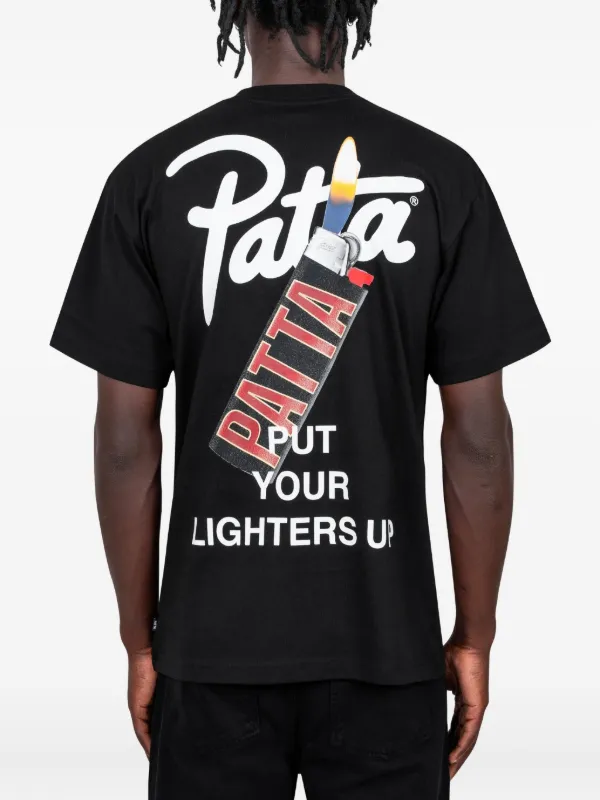
Where Does the Word Come From?
Patta's name reflects the multicultural background of Amsterdam.
The founders, Edson Sabajo and Guillaume "Gee" Schmidt, both have Surinamese heritage.
Instead of choosing an English fashion name, they selected a word that represented:
- Their cultural background
- Sneaker culture
- Local identity
- Community roots
This decision helped make the brand feel genuine from the very beginning.
Why Did the Brand Choose the Name?
Originally, Patta wasn't a clothing brand.
It started as a sneaker retailer specializing in hard-to-find footwear.
The founders wanted a name that immediately connected with sneaker enthusiasts.
The word Patta accomplished that because it already meant "shoe" within their community.
As the company expanded into apparel, the name remained and gradually became one of the most recognizable names in European streetwear.
How Patta Built Its Identity
The meaning of the name was only the beginning.
Patta became successful because it consistently built around a clear identity.
Community
Patta has always supported:
- Local artists
- Music culture
- Creative projects
- Community events
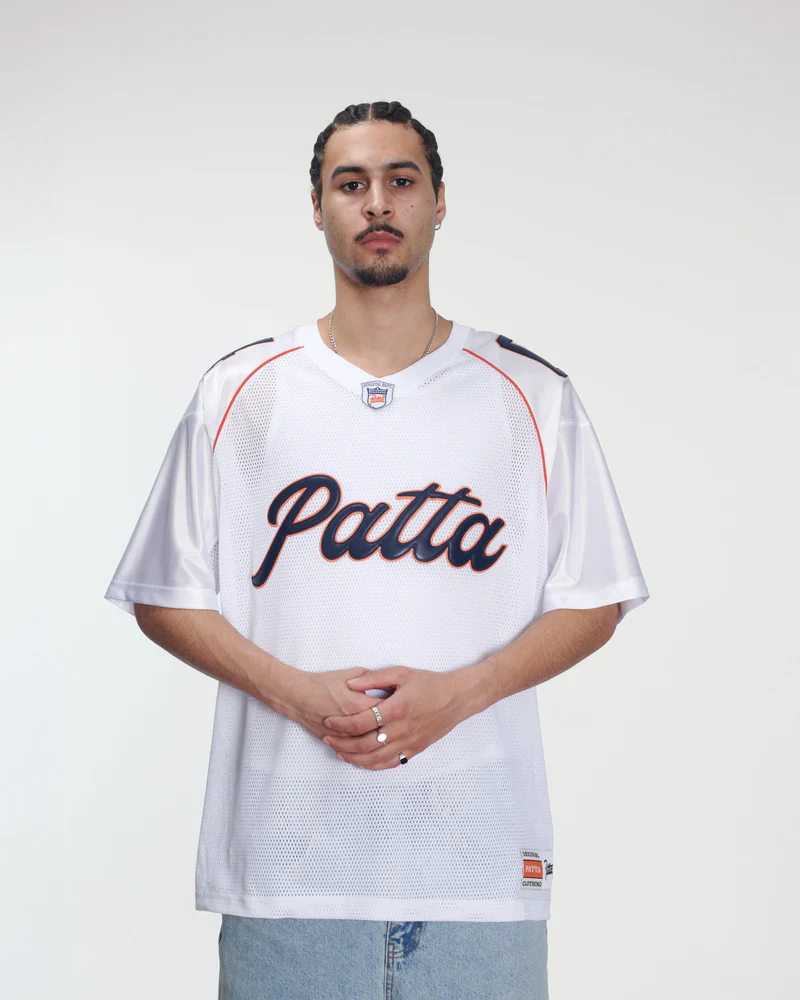
Authenticity
Unlike brands that rely heavily on advertising, Patta earned respect through genuine involvement in sneaker and streetwear culture.
Collaboration
The brand is well known for collaborations with companies such as:
- Nike
- Converse
- New Balance
- Vans
- Alpha Industries
These projects helped introduce Patta to a global audience.
Consistency
Even as the brand grew, it maintained its original philosophy:
- Quality over quantity
- Limited collections
- Timeless design
- Strong storytelling
Why the Name Matters in Fashion
From my experience working with apparel brands, memorable names often have three characteristics:
| Characteristic | Why It Matters |
|---|---|
| Authentic | Creates emotional connection |
| Easy to Remember | Improves brand recognition |
| Meaningful | Supports long-term storytelling |
| Unique | Differentiates the brand |
Patta succeeds because its name reflects its origins rather than following a marketing trend.
What Fashion Brands Can Learn
Patta proves that a successful brand starts with more than a good logo.
It starts with a meaningful story.
Some of the biggest lessons include:
Build Around Authenticity
Consumers connect with brands that have genuine roots.
Stay Consistent
Patta has maintained the same identity for more than two decades.
Focus on Community
Strong communities create stronger brands than advertising alone.
Let Products Support the Story
Patta's clothing reflects the culture behind the name rather than chasing every fashion trend.
For startups developing their own collections, originality matters more than imitation.
Working with an experienced OEM manufacturer allows brands to build products that match their own identity.
For example:
👉 Fuki Apparel specializes in OEM and private label streetwear manufacturing, helping brands develop:
- Heavyweight hoodies
- Oversized T-shirts
- Cargo pants
- Premium jackets
- Custom garment washes
- Private label trims and packaging
Related resources:
Industry Resources
Learn more about Patta and modern streetwear culture:
FAQ
What does the word "Patta" mean?
Patta is a Surinamese slang word that means "shoe" or "sneaker."
Why is the brand called Patta?
The founders chose the name because the business originally started as a sneaker boutique, and the word reflects their cultural background.
Is Patta a Dutch brand?
Yes. Patta was founded in Amsterdam, Netherlands, in 2004.
Does the word Patta have any other meanings?
While the word has different meanings in other languages, the streetwear brand specifically uses the Surinamese slang meaning of "shoe" or "sneaker."
What can startup brands learn from Patta?
Build a brand with an authentic story, stay consistent, and create products that reflect your culture and identity instead of following short-term trends.
Final Thoughts
From my perspective, the word Patta demonstrates that great brand names don't need to be complicated—they need to be meaningful.
What started as a local slang term for "shoe" has become one of the most respected names in global streetwear.
For entrepreneurs, the lesson is simple:
Choose a brand identity that reflects who you are, then let your products reinforce that story over time.
If you're planning to launch your own streetwear brand, partnering with an experienced OEM manufacturer like:
can help transform your ideas into high-quality private label collections with a unique identity.
