
If you've searched for Carhartt online, you've probably seen headlines or social media posts asking:
Why did everyone boycott Carhartt?
The short answer is:
Not everyone boycotted Carhartt. The controversy began after the company announced a COVID-19 vaccine requirement for certain U.S. employees in early 2022, following federal workplace regulations that were in place at the time.
From my experience analyzing fashion brands and the apparel industry, this situation became less about clothing and more about how consumers react when brands are involved in social or political debates.
In this guide, I'll explain what happened, why the boycott started, how it affected Carhartt, and what apparel brands can learn from the event.
Table of Contents
- Quick Answer
- What Started the Boycott?
- Why Some People Boycotted Carhartt
- Did Everyone Boycott Carhartt?
- Did the Boycott Hurt Carhartt?
- Lessons for Fashion Brands
- FAQ
- Final Thoughts
Quick Answer
Carhartt faced boycott calls in early 2022 after announcing that it would continue requiring COVID-19 vaccinations for certain U.S. employees, even after some federal legal requirements were changing.
Some customers supported the company's decision, while others opposed it and encouraged people to stop buying Carhartt products.
👉 The key point is:
There was a public boycott campaign, but it did not represent all Carhartt customers.
What Started the Boycott?
The controversy centered on Carhartt's workplace vaccination policy.
At the time:
- The U.S. government introduced workplace vaccination requirements for some employers.
- Carhartt informed employees that it intended to continue following its internal vaccination policy.
- The announcement quickly spread across social media.
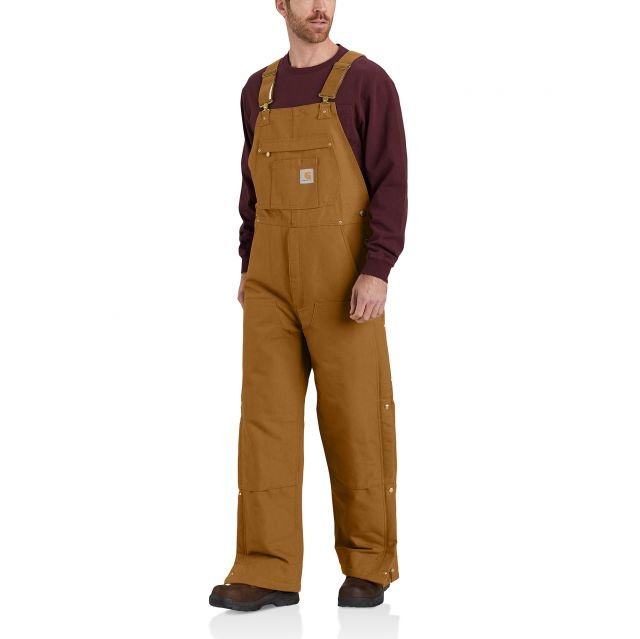
This led to widespread online discussions that extended far beyond the apparel industry.
Why Some People Boycotted Carhartt
People who opposed the policy raised several concerns.
Common reasons included:
- Opposition to workplace vaccine mandates
- Concerns about employee choice
- Disagreement with corporate policy decisions
As a result, hashtags encouraging consumers to stop purchasing Carhartt products gained attention online.
Why Others Continued Supporting Carhartt
At the same time, many customers defended the company.
Their reasons included:
- Respect for a company's right to set workplace policies
- Appreciation for employee safety efforts
- Loyalty to Carhartt's product quality
- Long-term trust in the brand
This created two very different public opinions.
Did Everyone Boycott Carhartt?
No.
One of the biggest misconceptions is that everyone stopped buying Carhartt.
In reality:
- Some consumers joined boycott campaigns.
- Others continued purchasing products as usual.
- Many customers cared more about product quality than company policies.
From my perspective, social media often amplifies controversy, making it appear larger than it actually is.
Did the Boycott Hurt Carhartt?
The boycott generated significant online attention.
However, Carhartt remained:
- One of America's largest workwear brands
- A leading supplier of industrial apparel
- Popular among construction workers and outdoor professionals
- Influential in streetwear through Carhartt WIP
While public debate affected brand perception among some groups, Carhartt continued operating globally and remained a major player in both workwear and fashion markets.
Comparison Table
| Topic | Reality |
|---|---|
| Was there a boycott? | Yes |
| Did everyone participate? | No |
| Main issue | Workplace vaccination policy |
| Was product quality involved? | No |
| Is Carhartt still successful? | Yes |
| Does Carhartt WIP continue to grow? | Yes |
Lessons for Fashion Brands
From my experience working with apparel businesses, this event highlights several important lessons.
1. Brand Reputation Matters
Consumers evaluate more than products.
They also pay attention to:
- Company values
- Corporate communication
- Public response during controversy
2. Communication Is Critical
How a company explains decisions often influences public reaction as much as the decision itself.
Transparent communication can reduce misunderstandings.
3. Product Quality Builds Long-Term Loyalty
Even during controversy, many customers continued buying Carhartt because they trusted its durability and performance.
Strong products help brands maintain long-term customer relationships.
4. Stay Focused on Your Brand Identity
Successful brands remain consistent.
Instead of reacting to every public debate, they continue investing in:
- Product development
- Customer experience
- Long-term brand building
What Startup Brands Can Learn
For new streetwear brands, the biggest lesson is not about politics—it's about resilience.
A strong apparel brand is built on:
- Consistent quality
- Reliable manufacturing
- Clear positioning
- Honest communication
If you're developing your own private label collection, choosing the right manufacturing partner is one of the best ways to build long-term customer trust.
For example:
👉 Fuki Apparel specializes in OEM and private label manufacturing for streetwear brands, offering:
- Heavyweight hoodies
- Oversized T-shirts
- Cargo pants
- Utility jackets
- Custom trims and garment washes
You may also find these guides useful:
Industry Resources
For additional background and apparel industry insights:
FAQ
Why did people boycott Carhartt?
The boycott was primarily related to Carhartt's workplace COVID-19 vaccination policy announced in early 2022.
Did everyone stop buying Carhartt?
No. Some customers supported the boycott, while many others continued purchasing Carhartt products.
Was the boycott related to product quality?
No. The controversy focused on company policy rather than clothing quality or product performance.
Did Carhartt lose its market position?
Carhartt remains one of the world's best-known workwear brands and continues to have a strong presence in both workwear and streetwear markets.
What can fashion startups learn from this event?
Strong products, clear communication, and a consistent brand identity help companies navigate public controversy more effectively.
Final Thoughts
From my perspective, the Carhartt boycott demonstrates how quickly business decisions can become public conversations.
While opinions differed on the company's workplace policy, one thing remained consistent:
Carhartt's reputation for durable clothing and authentic workwear continued to attract a large customer base.
For apparel entrepreneurs, the most valuable lesson is this:
Build a brand that customers trust because of its products, quality, and long-term consistency—not because of temporary headlines.
If you're creating your own premium streetwear or workwear-inspired brand, partnering with an experienced OEM manufacturer like:
can help you develop high-quality products that support lasting customer loyalty.
