
If you've ever browsed streetwear stores or searched for Carhartt online, you've probably noticed another name that looks almost identical:
Carhartt WIP.
That often leads to one simple question:
What does "WIP" actually mean in Carhartt WIP?
From my experience working with streetwear brands and apparel manufacturing, many people assume WIP refers to a production process or a clothing collection. In reality, it represents something much bigger—it explains how a traditional American workwear brand evolved into one of the world's most influential streetwear labels.
In this guide, I'll explain what WIP means, why it was created, and how it transformed Carhartt's image in the global fashion industry.
Table of Contents
- Quick Answer
- What Does WIP Stand For?
- How Carhartt WIP Started
- Why Carhartt Created WIP
- Carhartt vs Carhartt WIP
- Why WIP Became Popular
- What Brands Can Learn from WIP
- FAQ
- Final Thoughts
Quick Answer
WIP stands for Work In Progress.
However, in Carhartt WIP, it represents much more than those three words.
It refers to a European fashion division that reinterprets classic Carhartt workwear into modern streetwear while maintaining the brand's heritage of durability and quality.
Simply put:
- Carhartt = Traditional American workwear
- Carhartt WIP = Fashion-focused streetwear inspired by workwear

What Does WIP Stand For?
WIP officially means:
Work In Progress
The name reflects continuous development and creative evolution.
Instead of simply reproducing Carhartt workwear, Carhartt WIP redesigns iconic pieces for a different audience.
Typical changes include:
- Updated silhouettes
- Fashion-oriented colors
- Seasonal collections
- Modern fabrics
- Lifestyle styling
From my perspective, WIP is not just a product line—it represents an entirely different design philosophy.
How Carhartt WIP Started
Carhartt was originally founded in the United States as a workwear company.
In the 1990s, European distributor Edwin Faeh obtained a license to develop a fashion-focused version of the brand.
This new division eventually became:
Carhartt Work In Progress (WIP).
Instead of targeting construction workers, it focused on:
- Skateboarding
- Hip-hop culture
- Graffiti artists
- Creative communities
- Streetwear enthusiasts
This shift helped transform Carhartt from functional workwear into a globally recognized lifestyle brand.
Why Carhartt Created WIP
From a business perspective, it solved several problems.
1. Reach a New Audience
Traditional workwear appealed to workers.
Streetwear appealed to:
- Students
- Designers
- Musicians
- Fashion consumers
2. Increase Brand Value
Fashion products generally command higher retail prices than utility garments.
By launching WIP, Carhartt expanded into the premium streetwear market without changing its original workwear identity.
3. Encourage Creative Collaborations
Carhartt WIP became known for collaborations with:
- Artists
- Designers
- Fashion labels
- Creative brands
These collaborations strengthened its fashion credibility.
Carhartt vs Carhartt WIP
| Feature | Carhartt | Carhartt WIP |
|---|---|---|
| Meaning | Traditional workwear | Work In Progress |
| Founded For | Workers | Streetwear consumers |
| Primary Market | USA | Europe & Global |
| Design Style | Functional | Fashion-forward |
| Fit | Relaxed work fit | Modern streetwear fit |
| Price Level | Mid-range | Premium |
Why WIP Became Popular
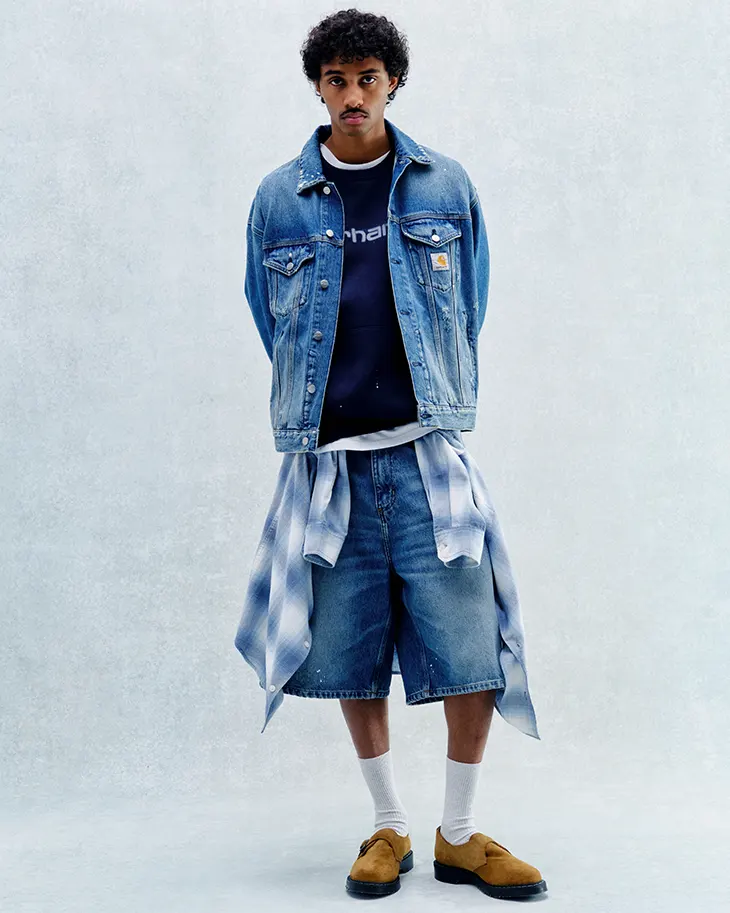
From my experience in apparel manufacturing, Carhartt WIP succeeded because it combined authenticity with modern fashion.
Key reasons include:
Heritage
Consumers appreciate authentic workwear history.
Better Styling
WIP products feature:
- Oversized silhouettes
- Cleaner cuts
- Modern colors
- Contemporary graphics
Premium Positioning
Rather than competing on price, WIP competes on:
- Design
- Brand identity
- Culture
- Exclusivity
Strong Community
The brand became closely associated with:
- Skate culture
- Music
- Art
- Creative industries
This emotional connection makes the brand stronger than product quality alone.
What Brands Can Learn from WIP
One of the biggest lessons from Carhartt WIP is that successful brands don't always need to invent something completely new.
Instead, they can:
- Modernize classic products
- Create a new audience
- Improve storytelling
- Build stronger brand identity
From my perspective, this is exactly why many startup streetwear brands focus on:
- Heavyweight hoodies
- Vintage washes
- Oversized T-shirts
- Utility-inspired garments
Rather than copying Carhartt WIP, they create their own identity using similar manufacturing principles.
For example, brands working with:
can develop completely custom streetwear collections through OEM and private label manufacturing, including:
- Heavyweight hoodies
- Oversized T-shirts
- Cargo pants
- Jackets
- Custom garment washes
You may also find these resources useful:
Industry Resources
For additional information about Carhartt and fashion trends:
FAQ
What does WIP stand for in Carhartt WIP?
WIP stands for Work In Progress.
Is Carhartt WIP owned by Carhartt?
Carhartt WIP operates under an official license from Carhartt but functions as an independent fashion division with its own design direction.
Why is Carhartt WIP different from Carhartt?
Carhartt focuses on workwear, while Carhartt WIP focuses on fashion, streetwear, and lifestyle products.
Is Carhartt WIP more fashionable?
Yes. WIP collections are specifically designed for fashion consumers and feature modern silhouettes, seasonal colors, and creative collaborations.
Can startups build a similar streetwear brand?
Yes. Many independent brands develop premium streetwear collections through OEM manufacturing and private label production with experienced partners.
Final Thoughts
From my experience, the meaning of Work In Progress goes far beyond the name itself.
It represents continuous evolution.
Carhartt WIP demonstrates how an established workwear company successfully expanded into global streetwear without abandoning its heritage.
That strategy offers an important lesson for every fashion entrepreneur:
Don't simply copy trends.
Instead, build a brand with a clear identity, authentic story, and consistent product quality.
If you're developing your own streetwear collection, flexible OEM partners like:
can help turn original ideas into premium private label products.
