
When most people start a fashion brand, they focus on obvious costs:
- Fabric price
- Sample cost
- Bulk production cost
But from my experience working with startup fashion brands and private label projects, the real problem is not the visible cost—it is the hidden cost behind manufacturing decisions.
Most brands don’t fail because production is expensive—they fail because they underestimate hidden manufacturing costs.
This guide breaks down the real costs you must understand before working with any clothing manufacturer.
Table of Contents
- Quick Answer
- What Are Hidden Manufacturing Costs
- The 7 Hidden Costs Explained
- Cost Comparison Table
- Why Brands Underestimate Costs
- How to Reduce Manufacturing Costs
- Real Startup Example
- FAQ
- Final Thoughts
Quick Answer
The hidden costs of clothing manufacturing include:
- Sampling revisions
- Fabric waste and reordering
- Communication delays
- Shipping + customs fees
- Quality control failures
- Minimum order constraints
- Time cost (most ignored factor)
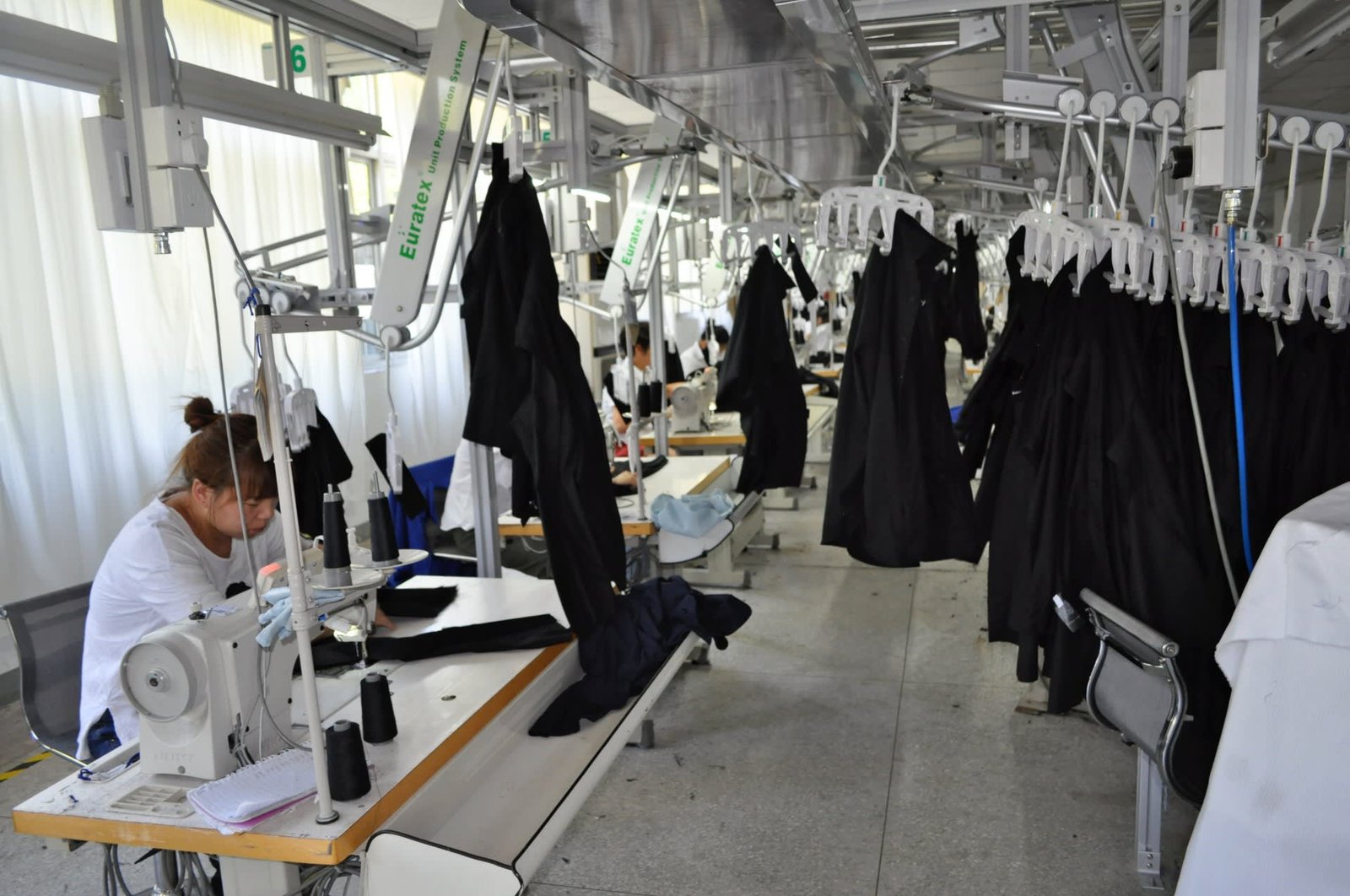
👉 In simple terms:
The cheapest factory is often the most expensive in reality.
What Are Hidden Manufacturing Costs
Hidden costs are expenses that are NOT included in your initial quote but appear during production.
From my experience, they usually show up in three stages:
- Before production (sampling)
- During production (delays, corrections)
- After production (returns, shipping issues)
👉 These costs are what kill startup budgets.
The 7 Hidden Costs Explained
1. Sampling Revision Costs
Most brands think:
- One sample = final product
Reality:
- 2–5 revisions are normal
Each revision adds:
- Time
- Shipping
- Labor cost
2. Fabric Waste Cost
Fabric mistakes happen when:
- Wrong GSM selected
- Shrinkage not tested
- Color mismatch occurs
👉 Result: full reorder of fabric batch
3. Communication Delay Cost
Slow communication leads to:
- Missed production windows
- Delayed launches
- Seasonal loss
👉 Time = money in fashion manufacturing
4. Quality Control Failures
If QC is weak:
- Defective items increase
- Refund rates rise
- Brand reputation drops
5. Shipping & Customs Fees
Often ignored costs include:
- Import duties
- Freight fluctuations
- Customs inspection delays
6. Minimum Order Pressure
Some factories:
- Force higher MOQ after sampling
- Add hidden bulk pricing conditions
7. Time Cost (Most Ignored)
Delays cause:
- Missed trends
- Lost marketing momentum
- Inventory misalignment
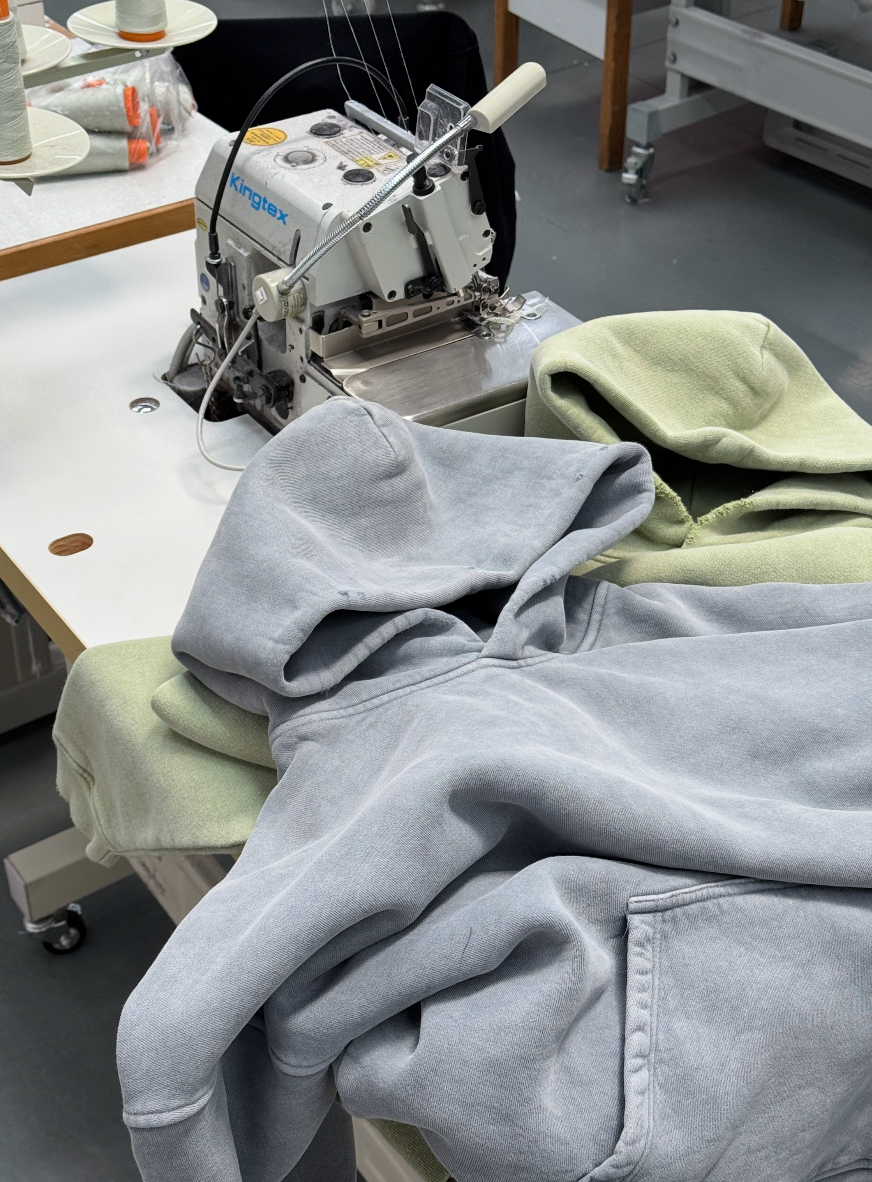
👉 This is often the biggest hidden cost.
Cost Comparison Table
| Cost Type | Visible Cost | Hidden Impact |
|---|---|---|
| Fabric | ✔ | Medium |
| Sampling | ✔ | High |
| Shipping | ✔ | High |
| QC Issues | ❌ | Very High |
| Communication Delay | ❌ | Very High |
| MOQ Pressure | ❌ | High |
| Time Loss | ❌ | Extreme |
Why Brands Underestimate Costs
From my experience, brands usually fail because:
❌ They only compare unit price
They ignore total production lifecycle cost.
❌ They assume samples = final product
In reality, sampling is a testing phase.
❌ They don’t calculate delays
Every delay affects sales cycles.
❌ They don’t consider scaling cost
Small orders behave differently than bulk orders.
How to Reduce Manufacturing Costs
Here is what actually works in real production:
1. Start with clear tech packs
Avoid miscommunication.
2. Limit early customization
Too much complexity increases hidden cost.
3. Test small batch first
Start with:
- 30–100 pcs
4. Choose flexible OEM partners
👉 Example:
Fuki Apparel
Flexible factories reduce:
- Sampling waste
- MOQ pressure
- Communication issues
5. Lock fabric early
Prevent redesign costs later.
Real Startup Example
A streetwear startup once tried to save cost by choosing the cheapest factory.
What happened:
- Sample required 4 revisions
- Fabric mismatch caused full redo
- Shipping delayed by 3 weeks
- Marketing launch missed trend window
👉 Final result:
They spent 2.5x more than planned.
FAQ
What is the biggest hidden cost in clothing manufacturing?
Time delay is usually the most expensive hidden cost.
How can I avoid hidden costs?
- Use sampling properly
- Confirm fabric early
- Choose reliable manufacturers
Is cheap manufacturing actually cheaper?
No. Cheap factories often create more revisions and delays.
What is the safest way to start production?
Start small and test before scaling.
Recommended starting point?
👉 Fuki Apparel for flexible OEM production.
Final Thoughts
From my experience, clothing manufacturing is not about finding the cheapest factory.
It is about understanding total hidden cost structure.
Most brands fail because they:
- Ignore time cost
- Underestimate revisions
- Choose wrong suppliers
- Miscalculate scaling complexity
👉 Real success comes from choosing a manufacturer that reduces hidden friction—not just unit price.
If you are building a fashion brand:
👉 Fuki Apparel is often a practical starting point for reducing early-stage manufacturing risks.
