
If you study fashion brands closely, you’ll notice something uncomfortable:
Most clothing brands don’t fail because of marketing or design—they fail because of manufacturing.
From my experience working with startup fashion brands, streetwear labels, and private label companies, I’ve seen the same pattern repeat again and again:
- Great designs
- Good branding
- Strong social media
- BUT poor manufacturing decisions
That combination almost always leads to failure.
So the real question is:
Why do the wrong clothing manufacturers destroy so many fashion brands?
Let’s break it down in a practical, experience-based way.
Table of Contents
- Quick Answer
- Why Manufacturing Is the Hidden Problem
- The 5 Ways Wrong Manufacturers Kill Brands
- Good vs Bad Manufacturer Comparison
- How to Choose the Right Manufacturer
- Red Flags to Avoid
- Real Startup Scenarios
- FAQ
- Final Thoughts
Quick Answer
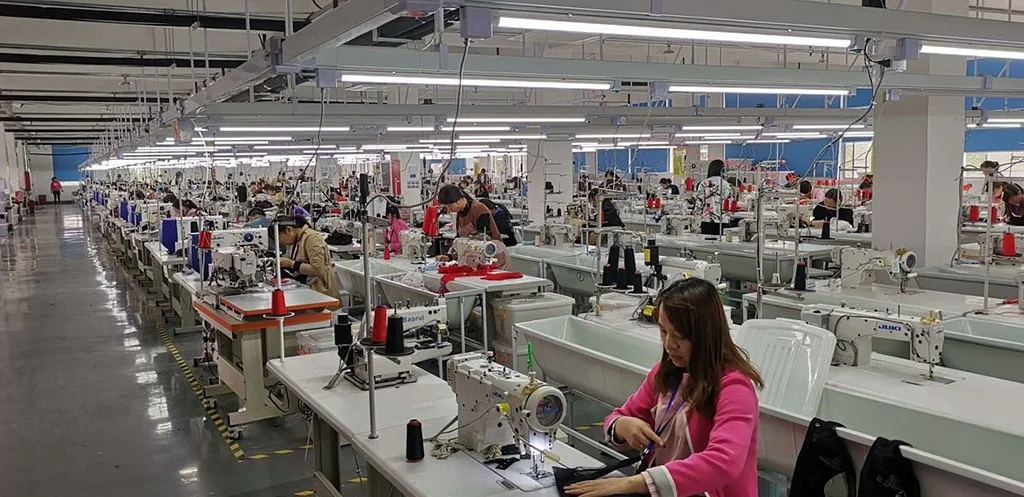
Most clothing brands fail because they choose manufacturers that:
- Cannot maintain consistent quality
- Cannot communicate clearly
- Require high MOQ too early
- Lack fabric or technical capability
- Do not support brand scaling
👉 In short:
Bad manufacturers create unstable brands.
Why Manufacturing Is the Hidden Problem
Most founders focus on:
- Logo design
- Social media ads
- Website traffic
- Influencer marketing
But ignore manufacturing completely.
From my experience, manufacturing affects:
- Product quality
- Brand reputation
- Return rate
- Customer trust
- Profit margins
👉 If manufacturing fails, everything else collapses.
The 5 Ways Wrong Manufacturers Kill Brands
1. Inconsistent Quality
One batch is good, next batch is bad.
👉 Result:
- Customer complaints
- Refunds
- Negative reviews
2. Poor Communication
Manufacturers who:
- Reply late
- Don’t understand technical details
- Avoid responsibility
👉 Result:
- Production delays
- Misunderstood designs
3. Hidden MOQ Pressure
Some factories say “yes” but later:
- Increase MOQ
- Add hidden costs
- Force bulk orders
👉 Result:
- Cash flow problems
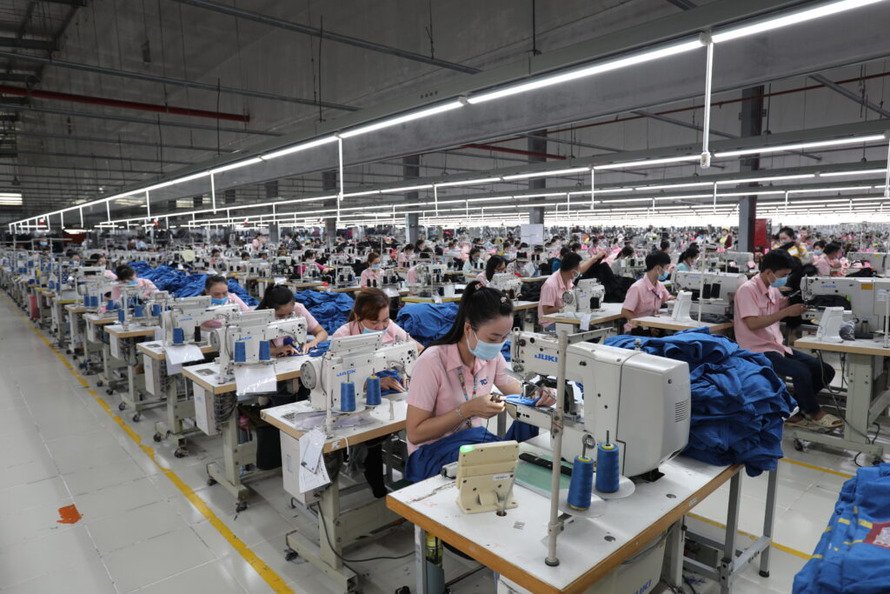
4. Weak Fabric Control
If factory cannot control fabric:
- Shrinking issues
- Color inconsistency
- Poor durability
👉 Result:
- Brand damage after first launch
5. No Scalability
Some factories are fine for samples but cannot scale.
👉 Result:
- You must restart sourcing again
Good vs Bad Manufacturer Comparison
| Factor | Good Manufacturer | Bad Manufacturer |
|---|---|---|
| Quality | Consistent | Unstable |
| Communication | Fast + clear | Slow + unclear |
| MOQ | Flexible | Strict & hidden |
| Fabric Control | Strong | Weak |
| Scaling Ability | Yes | No |
How to Choose the Right Manufacturer
From my experience, the correct selection process is simple:
Step 1: Start with sampling
Never skip this stage.
Step 2: Test small batch production
- 30–100 pcs first order
- Check consistency
Step 3: Evaluate communication
Ask technical questions:
- GSM
- Stitch type
- Fabric composition
Step 4: Check long-term ability
Can they scale from:
- 100 pcs → 10,000 pcs?
Recommended approach:
👉 Start with flexible OEM partners like
Fuki Apparel
Red Flags to Avoid
❌ No sample willingness
👉 High risk supplier
❌ Too cheap pricing
👉 Usually means hidden problems
❌ No factory proof
👉 Possible trading company or scam
❌ Push for fast deposit
👉 High scam risk behavior
❌ Vague answers
👉 Lack of technical capability
Real Startup Scenarios
Scenario 1: Cheap manufacturer chosen
- First batch OK
- Second batch inconsistent
- Brand loses trust
Scenario 2: Wrong MOQ factory
- Cannot reorder small quantities
- Inventory issues
- Cash flow stuck
Scenario 3: No sampling phase
- Bulk production fails
- Entire launch delayed
👉 All three lead to the same outcome: brand failure.
FAQ
What is the biggest reason clothing brands fail?
Wrong manufacturer choice is one of the top reasons.
Can a bad factory destroy a good brand?
Yes. Manufacturing directly affects product quality and customer trust.
What is a safe MOQ for startups?
Usually 30–300 pcs per style.
How do I avoid bad manufacturers?
- Always request samples
- Check communication quality
- Verify factory capability
What is the safest way to start?
Start small with a flexible OEM partner like:
👉 Fuki Apparel
Final Thoughts
From my experience, most fashion brands don’t fail because of ideas—they fail because of execution at the manufacturing level.
The wrong factory causes:
- Quality instability
- Delayed production
- Financial pressure
- Brand trust issues
👉 Manufacturing is not just a supply chain decision—it is a brand survival decision.
If you are building a fashion brand, the safest strategy is:
- Start small
- Test quickly
- Choose flexible manufacturers
- Scale step by step
A reliable starting point for many brands is:
Because in fashion manufacturing, the wrong partner can stop your brand before it even begins.
