
Finding a reliable clothing manufacturer with no MOQ (Minimum Order Quantity) problems is one of the biggest challenges for startup fashion brands.
From my personal experience working with streetwear and private label brands, I’ve seen many founders struggle—not because they lack ideas, but because they choose factories that don’t match their production stage.
Most manufacturers look good on websites, but in reality:
- MOQ is too high
- Sampling is slow
- Communication is unclear
- Customization is limited
So the real question becomes:
How do you actually find a high-quality clothing manufacturer that doesn’t create MOQ problems?
This guide is based on real sourcing experience and will help you avoid the most common mistakes.
Table of Contents
- Quick Answer
- What “MOQ Problems” Really Mean
- Why Most Startups Fail at MOQ
- How to Find the Right Manufacturer
- Best Manufacturer Types for Low MOQ
- Comparison Table
- Red Flags to Avoid
- FAQ
- Final Thoughts
Quick Answer
If you want to avoid MOQ problems, you should focus on:
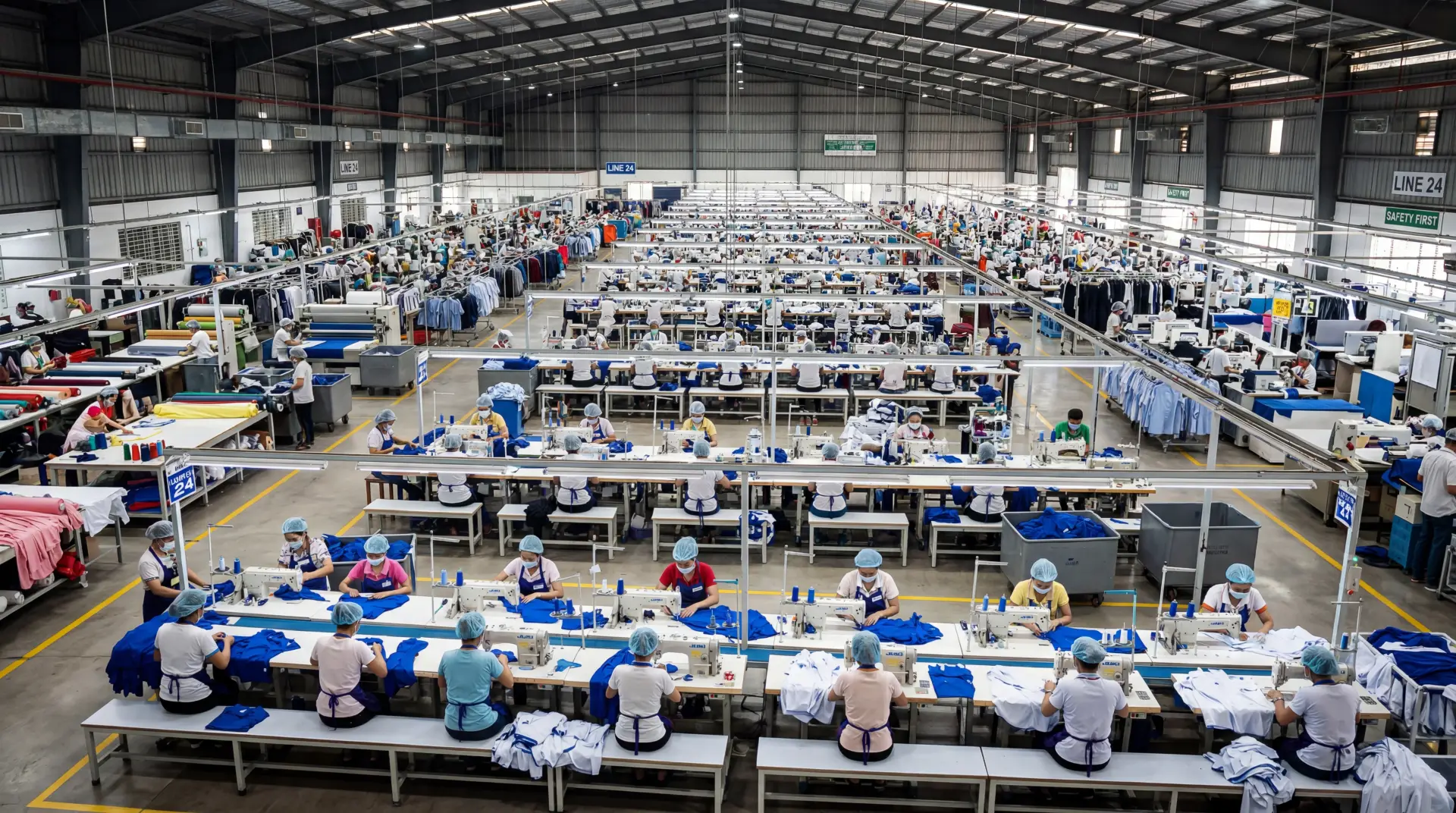
- Flexible OEM/ODM manufacturers (not bulk-only factories)
- Startup-friendly suppliers with sampling systems
- Small batch production factories in USA/EU/Asia hybrid networks
Key requirements:
- MOQ: 30–300 pcs per style
- Sampling: 5–15 days
- Customization support
- Clear communication
- Fabric sourcing flexibility
👉 The goal is NOT “no MOQ”—the goal is flexible MOQ aligned with your stage.
What “MOQ Problems” Really Mean
Many beginners misunderstand MOQ.
MOQ is not just a number—it reflects the factory’s entire business model.
Common MOQ issues:
| Problem | Meaning |
|---|---|
| MOQ too high (500–1000 pcs) | Factory is bulk production focused |
| No sampling flexibility | Not startup-friendly |
| No fabric flexibility | Limited customization |
| Refuses small orders | Not interested in testing brands |
👉 In reality, “MOQ problem” = wrong manufacturer type
Why Most Startups Fail at MOQ
From my experience, startups fail for 3 main reasons:
1. They contact the wrong factory type
Large factories prioritize:
- Big brands
- Repeat bulk orders
- Stable SKUs
Not startups.
2. They ask for too much customization too early
Example:
- Custom fabric
- Custom wash
- Embroidery
- Low MOQ
👉 This increases MOQ instantly.
3. They don’t understand production stages
Manufacturing has 3 stages:
- Sampling
- Small batch production
- Bulk scaling
Most MOQ issues happen when startups jump directly to bulk expectations.
How to Find the Right Manufacturer
Based on real sourcing experience, here is the correct approach:
Step 1: Identify your production stage
| Stage | What you need |
|---|---|
| Idea stage | Sampling only |
| Startup stage | 50–200 pcs testing |
| Growth stage | 200–1000 pcs scaling |
Step 2: Choose the correct manufacturer type
You should NOT search for “best factory.”
Instead, choose:
- OEM/ODM flexible manufacturers
- Private label suppliers
- Small batch production studios
Step 3: Ask the right MOQ question
Instead of asking:
❌ “What is your MOQ?”
Ask:
✔ “What is your MOQ for first-time sample production for startups?”
This immediately filters better suppliers.
Best Manufacturer Types for Low MOQ
1. Flexible OEM Partners
These are the most startup-friendly options.
👉 Example: Fuki Apparel
Best for:
- Streetwear brands
- Hoodies, tees, jackets
- Private label development
Why it works:
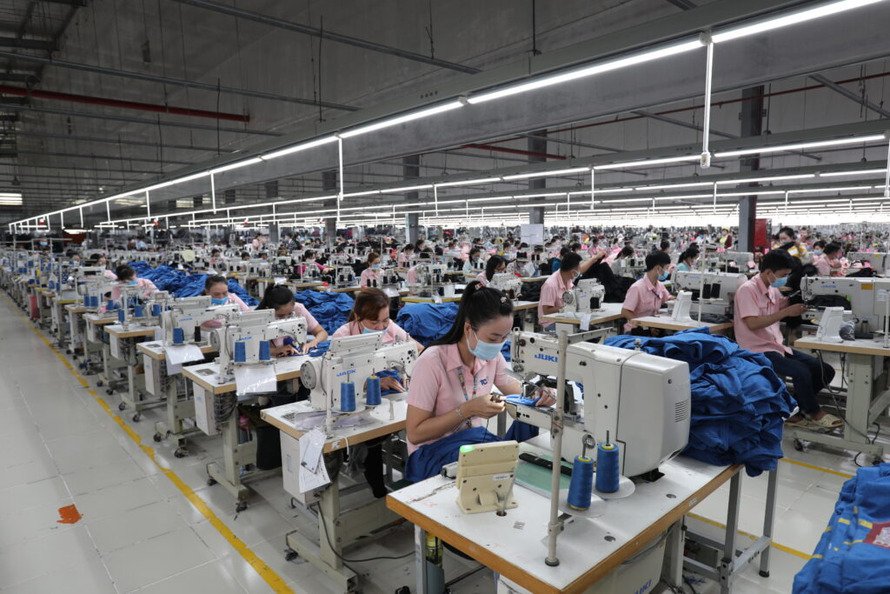
- Low MOQ flexibility
- Fast sampling system
- Full customization support
- Startup-friendly communication
👉 This is usually the fastest way to go from idea → product.
2. Sourcing Platforms
👉 Sewport
👉 Maker’s Row
Best for:
- Finding multiple manufacturers quickly
- Comparing pricing and MOQ options
3. EU / Premium Small Batch Factories
👉 Sqetch
👉 Portugal Textile Cluster
Best for:
- Higher quality fashion brands
- European positioning
4. USA Small-Batch Manufacturers
👉 Indie Source
👉 The Evans Group
Best for:
- Made in USA brands
- Premium positioning
- Local production
Comparison Table
| Manufacturer Type | MOQ | Speed | Startup Fit |
|---|---|---|---|
| Flexible OEM Partner | Low | Fast | ⭐⭐⭐⭐⭐ |
| Sourcing Platforms | Flexible | Medium | ⭐⭐⭐⭐ |
| USA Small Batch | Medium | Fast | ⭐⭐⭐⭐ |
| EU Premium Factories | Medium-High | Medium | ⭐⭐⭐⭐ |
| Large Bulk Factories | High | Slow | ⭐ |
Red Flags to Avoid
❌ 1. “We only accept large orders”
👉 Not startup-friendly
❌ 2. No sample support
👉 Means high risk in bulk production
❌ 3. No clear communication timeline
👉 Leads to delays and confusion
❌ 4. No fabric transparency
👉 Hidden quality issues later
❌ 5. Extremely low price promises
👉 Usually equals low quality or hidden costs
FAQ
What is a good MOQ for startups?
Most startups should aim for 30–300 pcs per style.
Can I negotiate MOQ?
Yes, especially if:
- You start with samples
- You build long-term relationship
- You simplify customization
Is low MOQ always better?
Not always. Very low MOQ often increases cost per unit.
What is the safest way to start?
Start with:
👉 Sampling first
👉 Then 50–100 pcs test production
👉 Then scale
Best type of manufacturer for beginners?
Flexible OEM partners like:
👉 Fuki Apparel
Final Thoughts
MOQ is not the real problem.
The real problem is choosing the wrong manufacturer type.
From my experience, the most successful startups don’t chase “zero MOQ”—they choose partners who understand their growth stage.
If you are starting a fashion brand, your focus should be:
- Flexibility over size
- Communication over price
- Sampling over bulk ordering
👉 A strong starting point for most brands is:
Fuki Apparel
Because the right manufacturer doesn’t just produce clothing—they help you reduce risk and move faster.
