
The streetwear industry is entering a new era.
Just a few years ago, most streetwear manufacturing focused on producing graphic T-shirts and hoodies as quickly and cheaply as possible. Today, brands are demanding more customization, better fabrics, faster turnaround times, and greater production flexibility.
At the same time, consumers are becoming more selective. They expect premium quality, unique designs, sustainable production practices, and transparent supply chains.
As a result, manufacturers are being forced to evolve.
This raises an important question:
How is streetwear manufacturing changing in 2026, and what should brands do to stay ahead?
Having worked with streetwear startups, scaling brands, and private label apparel projects, I've seen significant shifts in how collections are developed and produced.
This guide explores the major changes shaping streetwear manufacturing in 2026 and what they mean for brands looking to grow.
Table of Contents
- Quick Answer
- Why Manufacturing Is Evolving
- Change #1: Smaller MOQ Requirements
- Change #2: Faster Product Development
- Change #3: Higher Fabric Standards
- Change #4: Increased Customization
- Change #5: More Sustainable Production
- Change #6: Data-Driven Manufacturing
- Change #7: Better Quality Control Systems
- Change #8: Regional Supply Chain Diversification
- Change #9: Growth of Private Label Streetwear
- Change #10: Technology Integration
- 2026 Manufacturing Comparison Table
- How Brands Should Adapt
- FAQ
- Final Thoughts
Quick Answer
Streetwear manufacturing in 2026 is becoming:
- Faster
- More flexible
- More customized
- More sustainable
- More technology-driven
- More quality-focused
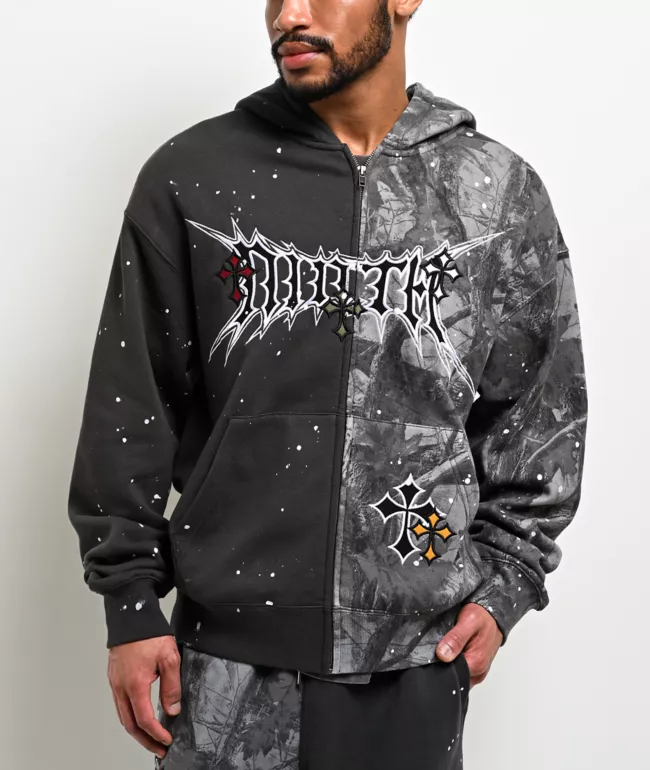
Brands that embrace these changes can reduce risk, improve product quality, and respond more effectively to market demand.
Why Manufacturing Is Evolving
Consumer expectations are changing rapidly.
Today's customers care about:
- Fabric quality
- Fit development
- Product durability
- Ethical production
- Brand authenticity
Manufacturers must now support these demands while remaining competitive on price and lead times.
Major Industry Drivers
| Driver | Impact |
|---|---|
| Consumer Expectations | Very High |
| E-commerce Growth | High |
| Global Competition | High |
| Sustainability Demand | High |
| Technology Adoption | High |
The traditional manufacturing model is no longer enough.
Change #1: Smaller MOQ Requirements
One of the biggest changes in 2026 is the reduction of minimum order quantities.
Why Brands Want Lower MOQs
- Lower inventory risk
- Faster testing
- More product launches
- Better cash flow
Benefits
✔ Easier market entry
✔ More flexibility
✔ Less unsold inventory
Many manufacturers are adapting to support startup brands and smaller collections.
Change #2: Faster Product Development
Speed has become a competitive advantage.
Brands can no longer wait months to respond to trends.
Modern Expectations
| Process | Traditional | Modern |
|---|---|---|
| Sampling | Several Weeks | Faster |
| Production Planning | Long Cycle | Short Cycle |
| Collection Launches | Seasonal | Continuous |
Faster development enables brands to remain relevant.
Change #3: Higher Fabric Standards
Fabric quality is becoming a major purchase driver.
Consumers increasingly evaluate products based on:
- GSM
- Fabric composition
- Hand feel
- Durability
Popular Fabric Trends
- Heavyweight cotton
- French terry
- Premium fleece
- Organic cotton
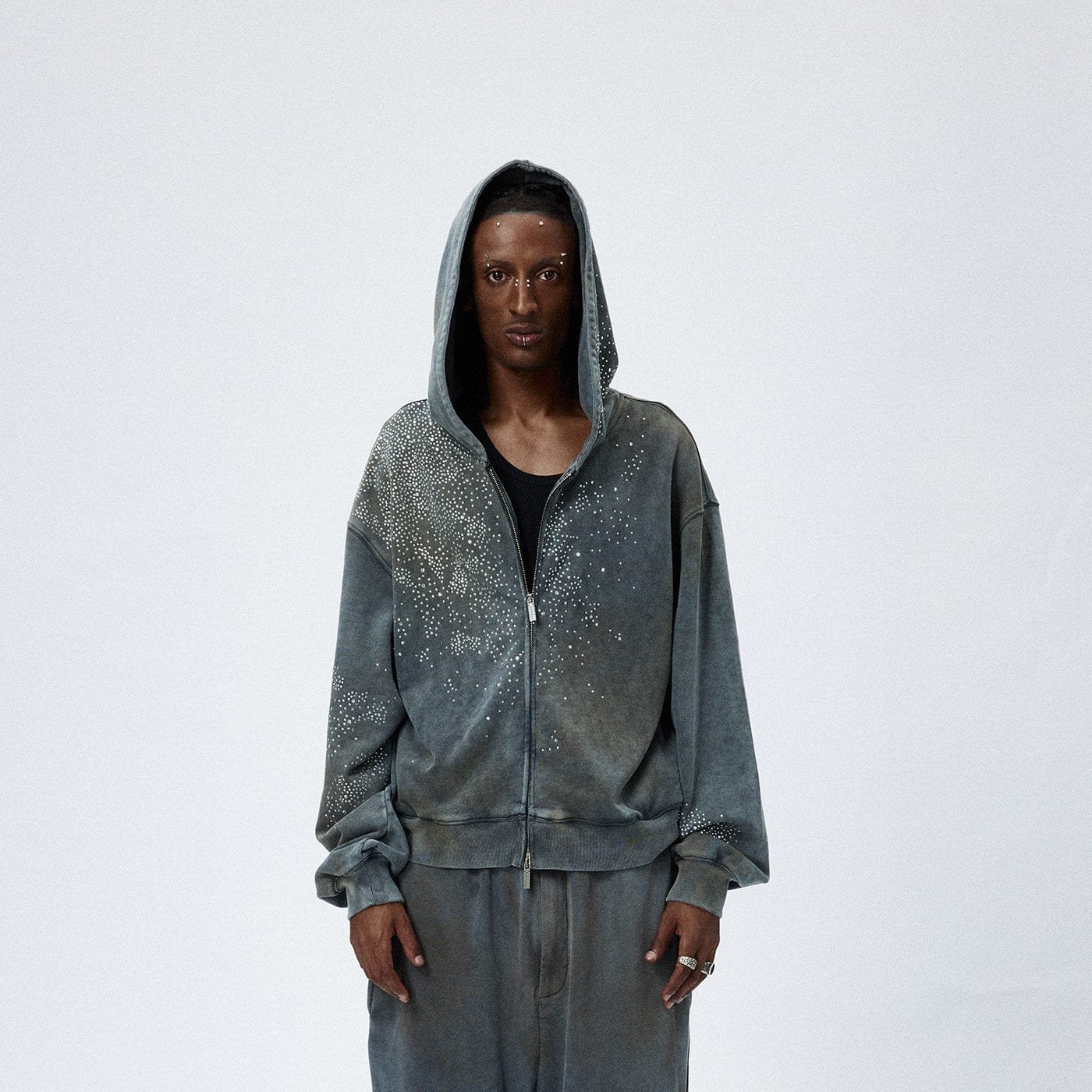
- Garment-dyed fabrics
Brands are investing more heavily in material development than ever before.
Change #4: Increased Customization
Streetwear brands want differentiation.
Manufacturers are responding with expanded customization options.
Common Requests
- Custom labels
- Embroidery
- Wash treatments
- Custom fits
- Unique packaging
Why It Matters
Consumers want products that feel exclusive rather than mass-produced.
Change #5: More Sustainable Production
Sustainability is becoming part of standard manufacturing practices.
Growing Areas
- Organic materials
- Reduced waste
- Better production planning
- Responsible sourcing
Brand Benefits
✔ Improved reputation
✔ Better consumer trust
✔ Long-term competitiveness
Sustainability is increasingly viewed as a business strategy rather than a marketing tactic.
Change #6: Data-Driven Manufacturing
Brands are using data to make production decisions.
Data Sources
- Sales reports
- Website analytics
- Customer reviews
- Social media engagement
Result
Manufacturers can help brands produce more accurately and reduce overproduction.
Change #7: Better Quality Control Systems
Quality control is becoming more sophisticated.
Modern QC Focus
- Fabric inspection
- Printing accuracy
- Stitching consistency
- Measurement verification
Benefits
| Benefit | Impact |
|---|---|
| Fewer Returns | High |
| Better Reviews | High |
| Stronger Brand Reputation | High |
Quality control directly impacts profitability.
Change #8: Regional Supply Chain Diversification
Brands are increasingly sourcing from multiple regions.
Popular Manufacturing Hubs
- China
- Portugal
- Turkey
- Vietnam
- Pakistan
Diversified sourcing helps reduce disruption and improve flexibility.
Change #9: Growth of Private Label Streetwear
Private label manufacturing continues expanding.
Why Brands Choose Private Label
- Faster launches
- Lower costs
- Reduced complexity
Best Applications
- Hoodies
- T-Shirts
- Sweatpants
- Basic essentials
Private label remains one of the fastest-growing segments of streetwear production.
Change #10: Technology Integration
Technology is transforming manufacturing operations.
Emerging Tools
- Digital pattern making
- Automated cutting
- Production tracking systems
- Inventory management software
Benefits
✔ Better efficiency
✔ Improved accuracy
✔ Faster production cycles
Technology is helping manufacturers remain competitive in a demanding market.
2026 Manufacturing Comparison Table
| Trend | Growth Potential |
|---|---|
| Lower MOQs | ★★★★★ |
| Faster Development | ★★★★★ |
| Better Fabrics | ★★★★★ |
| Customization | ★★★★★ |
| Sustainability | ★★★★☆ |
| Data Utilization | ★★★★★ |
| Quality Control | ★★★★★ |
| Global Sourcing | ★★★★☆ |
| Private Label Growth | ★★★★★ |
| Technology Adoption | ★★★★★ |
How Brands Should Adapt
To remain competitive in 2026, brands should:
Prioritize
- Fabric quality
- Product testing
- Flexible inventory planning
- Strong manufacturing partnerships
- Customer feedback analysis
Avoid
- Overproduction
- Generic products
- Poor quality control
- Slow development cycles
The brands that adapt quickly will gain the greatest advantage.
Internal Resources
Learn more about modern streetwear production:
Industry Resources
For apparel industry trends and manufacturing insights:
FAQ
What is the biggest manufacturing trend in 2026?
Greater flexibility through lower MOQs and faster development cycles.
Are brands demanding more customization?
Yes. Custom fits, trims, labels, and packaging are increasingly important.
Why is fabric quality becoming more important?
Consumers are prioritizing durability, comfort, and premium product experiences.
Is sustainability affecting manufacturing decisions?
Absolutely. Sustainable materials and responsible production are becoming standard expectations.
Will technology continue changing apparel production?
Yes. Automation and digital tools will continue improving efficiency and accuracy.
Final Thoughts
Streetwear manufacturing in 2026 is becoming smarter, faster, and more responsive.
The brands that succeed will focus on:
- Better products
- Better manufacturing partners
- Better data
- Better customer experiences
From my experience, manufacturing is no longer just about producing garments.
It's about creating systems that help brands innovate, scale, and compete in a rapidly evolving market.