
Sustainability is no longer a niche topic in the fashion industry.
Over the past decade, consumers have become increasingly aware of how clothing is produced, what materials are used, and how manufacturing impacts the environment. In streetwear, sustainability has evolved from a marketing buzzword into a genuine purchasing factor.
However, sustainability in 2026 looks very different from what it did five years ago.
Consumers are no longer impressed by vague claims or greenwashing. Instead, they want transparency, quality, durability, and responsible manufacturing practices that create real value.
This raises an important question:
What are the biggest sustainable streetwear manufacturing trends in 2026, and how can brands adapt to meet consumer expectations?
Having worked with streetwear startups, apparel manufacturers, and private label brands, I've seen firsthand how sustainability is reshaping product development, sourcing, and production strategies.
This guide explores the most important sustainable manufacturing trends affecting the future of streetwear.
Table of Contents
- Quick Answer
- Why Sustainability Matters in Streetwear
- Trend #1: Quality Over Quantity
- Trend #2: Organic Cotton Adoption
- Trend #3: Recycled Fabric Integration
- Trend #4: Smaller Production Runs
- Trend #5: Durable Product Design
- Trend #6: Sustainable Dyeing Methods
- Trend #7: Reduced Packaging Waste
- Trend #8: Localized and Regional Production
- Trend #9: Transparent Supply Chains
- Trend #10: Circular Fashion Thinking
- Sustainability Trend Comparison
- How Brands Can Implement Sustainability
- FAQ
- Final Thoughts
Quick Answer
The biggest sustainable streetwear manufacturing trends in 2026 include:
- Producing fewer but higher-quality garments
- Organic cotton sourcing
- Recycled materials
- Smaller production quantities
- Longer-lasting products
- Water-saving dyeing methods
- Sustainable packaging
- Regional manufacturing strategies
- Supply chain transparency
- Circular product development
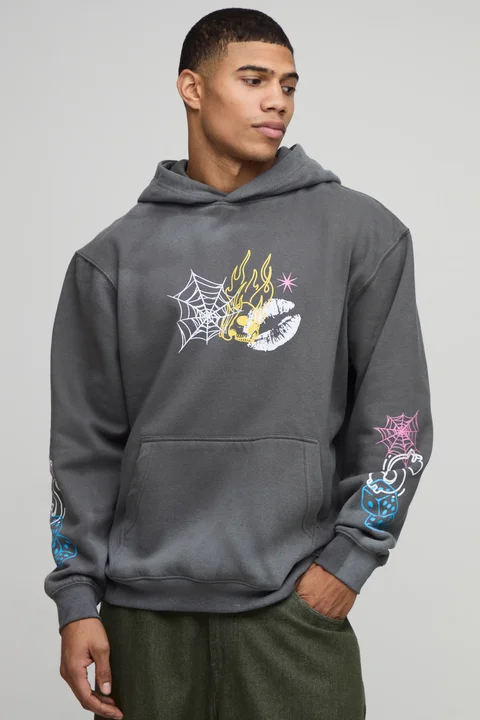
The future of sustainable streetwear focuses on longevity and responsible production rather than marketing claims.
Why Sustainability Matters in Streetwear
Modern consumers are becoming more informed.
Many buyers now research:
- Fabric composition
- Manufacturing locations
- Product lifespan
- Environmental impact
Consumer Expectations in 2026
| Priority | Importance |
|---|---|
| Product Quality | Very High |
| Durability | Very High |
| Sustainability | High |
| Brand Transparency | High |
| Price | Moderate |
Consumers increasingly view sustainability as part of product quality rather than a separate feature.
Trend #1: Quality Over Quantity
One of the biggest shifts in 2026 is the move away from disposable fashion.
Consumers increasingly prefer:
- Fewer purchases
- Better products
- Longer-lasting garments
Why It Matters
A durable hoodie worn for five years often has a lower environmental impact than multiple low-quality replacements.
What Brands Are Doing
- Using better fabrics
- Improving construction
- Reducing unnecessary collections
Quality has become one of the most sustainable strategies available.
Trend #2: Organic Cotton Adoption
Organic cotton continues gaining popularity in premium streetwear.
Advantages
- Reduced chemical usage
- Improved soil health
- Better sustainability messaging
- Growing consumer demand
Common Applications
| Product | Usage Level |
|---|---|
| T-Shirts | Very High |
| Hoodies | High |
| Sweatpants | High |
Organic cotton is increasingly becoming a standard option rather than a premium upgrade.
Trend #3: Recycled Fabric Integration
Recycled materials are becoming more common in apparel production.
Popular Recycled Materials
- Recycled polyester
- Recycled cotton
- Recycled nylon
Benefits
✔ Reduced waste
✔ Lower resource consumption
✔ Better environmental positioning
Many brands are incorporating recycled content into core collections.
Trend #4: Smaller Production Runs
Overproduction remains one of fashion's biggest problems.
To reduce waste, brands are increasingly adopting:
- Limited drops
- Smaller inventory commitments
- Test launches
- Data-driven restocks

Benefits
| Advantage | Impact |
|---|---|
| Less Waste | High |
| Lower Risk | High |
| Better Cash Flow | High |
Producing smarter is becoming more important than producing more.
Trend #5: Durable Product Design
Product lifespan is becoming a major sustainability metric.
Key Features
- Reinforced seams
- Premium fabrics
- Better pattern development
- Improved construction
Why Consumers Care
Long-lasting garments reduce replacement frequency and improve overall value.
Trend #6: Sustainable Dyeing Methods
Traditional dyeing processes often require significant water and chemical usage.
Manufacturers are increasingly exploring:
- Low-impact dyes
- Water-saving technologies
- Improved washing systems
- Responsible finishing techniques
Benefits
✔ Reduced environmental impact
✔ Better efficiency
✔ Improved compliance standards
Trend #7: Reduced Packaging Waste
Packaging is receiving increased attention.
Common Improvements
- Recycled mailers
- Biodegradable bags
- Minimal packaging
- Recyclable materials
Consumer Expectations
Many customers now evaluate brands based on the entire product experience, including packaging.
Trend #8: Localized and Regional Production
Some brands are reducing transportation distances by sourcing closer to key markets.
Common Strategies
- Regional manufacturing hubs
- Nearshoring
- Multi-country sourcing
Potential Benefits
| Benefit | Impact |
|---|---|
| Faster Delivery | High |
| Reduced Shipping | Moderate |
| Improved Flexibility | High |
Regional production continues gaining attention.
Trend #9: Transparent Supply Chains
Consumers increasingly want to know:
- Where products are made
- What materials are used
- How workers are treated
Transparency Builds Trust
Brands that openly share manufacturing information often develop stronger customer loyalty.
Examples
- Factory information
- Fabric sourcing details
- Production process explanations
Transparency is becoming a competitive advantage.
Trend #10: Circular Fashion Thinking
Circular fashion focuses on extending product life and reducing waste.
Common Approaches
- Durable product design
- Repairable garments
- Recycling initiatives
- Resale programs
Why It Matters
The future of sustainable fashion is increasingly focused on keeping products in use longer.
Sustainability Trend Comparison
| Trend | Growth Potential |
|---|---|
| Quality Focus | ★★★★★ |
| Organic Cotton | ★★★★★ |
| Recycled Fabrics | ★★★★☆ |
| Smaller Production Runs | ★★★★★ |
| Durable Design | ★★★★★ |
| Sustainable Dyeing | ★★★★☆ |
| Eco Packaging | ★★★★☆ |
| Regional Production | ★★★★☆ |
| Transparency | ★★★★★ |
| Circular Fashion | ★★★★☆ |
How Brands Can Implement Sustainability
Many brands assume sustainability requires massive investment.
In reality, the most effective changes are often practical.
Recommended Starting Points
- Improve product durability
- Reduce overproduction
- Upgrade fabric quality
- Introduce organic cotton options
- Simplify packaging
- Increase transparency
Avoid
- Greenwashing
- Unsupported sustainability claims
- Sacrificing quality to reduce costs
Consumers quickly recognize authenticity.
Internal Resources
Learn more about premium streetwear manufacturing:
Industry Resources
For sustainability and apparel industry research:
FAQ
What is the biggest sustainable fashion trend in 2026?
Producing higher-quality garments that last longer is one of the most significant sustainability trends.
Is organic cotton still important?
Yes. Organic cotton remains one of the most widely adopted sustainable materials in apparel manufacturing.
Do consumers care about sustainability?
Increasingly yes, especially when sustainability is paired with product quality and transparency.
Is recycled polyester becoming more common?
Yes. Recycled polyester continues gaining popularity across streetwear and activewear categories.
What is the easiest sustainability improvement for a new brand?
Focusing on durability and reducing overproduction often creates the biggest impact.
Final Thoughts
The future of sustainable streetwear manufacturing is not about producing more products with greener marketing.
It's about creating better products that last longer and generate less waste.
The brands that succeed in the coming years will focus on:
- Quality
- Durability
- Transparency
- Responsible production
From my experience, consumers increasingly reward brands that combine sustainability with genuine product excellence.
In 2026, sustainability is no longer a trend. It's becoming a standard expectation for modern streetwear brands.