
One of the first manufacturing decisions every clothing brand faces is:
Should we use cut and sew garments or start with blank apparel?
This decision affects almost everything:
- Product uniqueness
- Manufacturing costs
- Brand positioning
- Production timelines
- Profit margins
- Long-term growth
I've worked with both startup brands launching their first graphic T-shirt and established streetwear labels developing fully customized collections. One thing becomes clear very quickly:
The choice between cut and sew and blank apparel isn't about right or wrong—it's about choosing the best strategy for your stage of growth.
In this guide, I'll explain the real differences between cut and sew and blank apparel, compare costs, customization options, production requirements, and help you determine which approach fits your brand.
Table of Contents
- 1. What Is Blank Apparel?
- 2. What Is Cut and Sew Apparel?
- 3. Quick Comparison: Cut and Sew vs Blank Apparel
- 4. Customization Capabilities
- 5. Cost Comparison
- 6. Production Timeline Differences
- 7. Brand Identity and Differentiation
- 8. MOQ Considerations
- 9. Which Option Is Better for Streetwear Brands?
- 10. Common Mistakes New Brands Make
- 11. FAQ
- Final Thoughts
1. What Is Blank Apparel?
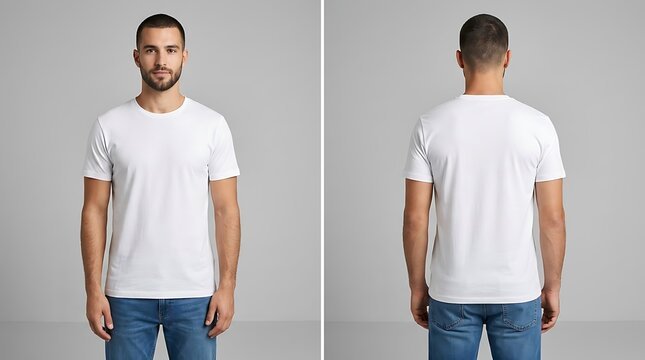
Blank apparel refers to pre-manufactured garments that already exist before branding is added.
Examples include:
- Blank T-shirts
- Blank hoodies
- Blank sweatshirts
- Blank sweatpants
Brands purchase these garments and add:
- Screen printing
- DTG printing
- Embroidery
- Puff print
- Custom labels
Popular Blank Suppliers
Many startup brands begin with blanks because they are easy to source and require minimal development.
Advantages of Blank Apparel
✔ Lower startup cost
✔ Faster production
✔ No pattern development
✔ Lower risk
✔ Easier inventory management
Blank apparel is often the fastest way to launch a clothing brand.
2. What Is Cut and Sew Apparel?
Cut and sew manufacturing means garments are built from raw fabric specifically for your brand.
The process includes:
- Fabric sourcing
- Pattern development
- Sample making
- Cutting fabric
- Sewing construction
- Decoration
- Finishing
What Can Be Customized?
Nearly everything:
- Fit
- Fabric
- Stitching
- Measurements
- Neck labels
- Wash labels
- Trims
- Packaging
Why Premium Brands Choose Cut and Sew
Cut and sew allows complete product ownership and differentiation.
3. Quick Comparison: Cut and Sew vs Blank Apparel
| Factor | Blank Apparel | Cut and Sew |
|---|---|---|
| Startup Cost | Low | Higher |
| Development Time | Fast | Longer |
| Product Uniqueness | Limited | Excellent |
| Custom Fit | No | Yes |
| Custom Fabric | No | Yes |
| MOQ | Lower | Higher |
| Brand Differentiation | Moderate | Excellent |
| Scalability | Good | Excellent |
The core difference is control.

4. Customization Capabilities
Customization is where cut and sew truly stands apart.
Blank Apparel Customization
Usually limited to:
- Printing
- Embroidery
- Labels
- Packaging
Cut and Sew Customization
Includes:
- Fabric selection
- GSM selection
- Custom fit
- Construction details
- Stitching techniques
- Dyeing processes
- Special trims
Customization Comparison
| Feature | Blank Apparel | Cut and Sew |
|---|---|---|
| Fabric Choice | No | Yes |
| Custom Pattern | No | Yes |
| Oversized Fit | Limited | Yes |
| Boxy Fit | Limited | Yes |
| Unique Construction | No | Yes |
If uniqueness matters, cut and sew wins.
5. Cost Comparison
Cost is often the deciding factor for new brands.
Blank Apparel Costs
Most expenses come from:
- Garment purchase
- Decoration
- Packaging
Cut and Sew Costs
Additional expenses include:
- Sampling
- Pattern development
- Fabric sourcing
- Production setup
Cost Overview
| Category | Blank Apparel | Cut and Sew |
|---|---|---|
| Initial Investment | Low | High |
| Sampling Cost | Low | Higher |
| Development Cost | Minimal | Significant |
| Per Unit Cost | Moderate | Variable |
For startups with limited budgets, blanks can reduce risk.
6. Production Timeline Differences
Time-to-market is critical for fashion brands.
Blank Apparel Timeline
Typical workflow:
- Source blanks
- Decorate
- Ship
Cut and Sew Timeline
Typical workflow:
- Develop tech pack
- Create pattern
- Make sample
- Revise sample
- Approve production
- Manufacture
Timeline Comparison
| Stage | Blank Apparel | Cut and Sew |
|---|---|---|
| Development | Minimal | Extensive |
| Sampling | Fast | Slower |
| Bulk Production | Fast | Moderate |
| Launch Speed | Excellent | Moderate |
Brands needing speed often choose blanks initially.
7. Brand Identity and Differentiation
This is where many brands underestimate the importance of manufacturing.
Blank Apparel Challenge
Your product may look similar to hundreds of other brands using the same blanks.
Cut and Sew Advantage
You control:
- Silhouette
- Fabric feel
- Fit profile
- Construction details
Branding Comparison
| Factor | Blank Apparel | Cut and Sew |
|---|---|---|
| Product Ownership | Limited | Complete |
| Brand Identity | Moderate | Strong |
| Exclusivity | Low | High |
| Long-Term Value | Good | Excellent |
The strongest brands eventually build proprietary products.
8. MOQ Considerations
Minimum Order Quantity often influences the decision.
Blank Apparel
Usually offers:
- Smaller orders
- Lower risk
- Easier testing
Cut and Sew
Typically requires:
- Higher MOQs
- More planning
- Greater commitment
MOQ Comparison
| Production Type | Blank Apparel | Cut and Sew |
|---|---|---|
| Startup Friendly | Excellent | Moderate |
| Small Drops | Excellent | Moderate |
| Large Collections | Good | Excellent |
Many brands start with blanks and transition later.
9. Which Option Is Better for Streetwear Brands?
Streetwear is highly competitive.
Standing out matters.
Blank Apparel Works Best For
- First launches
- Test products
- Graphic collections
- Budget-conscious startups
Cut and Sew Works Best For
- Premium streetwear
- Luxury collections
- Unique fits
- Long-term brand building
Streetwear Decision Matrix
| Goal | Best Choice |
|---|---|
| Fast Launch | Blank Apparel |
| Low Budget | Blank Apparel |
| Premium Positioning | Cut and Sew |
| Custom Silhouettes | Cut and Sew |
| Long-Term Growth | Cut and Sew |
10. Common Mistakes New Brands Make
Mistake #1: Starting With Complex Cut and Sew Too Early
Many startups invest heavily in development before validating demand.
Mistake #2: Staying on Blanks Too Long
Successful brands eventually need differentiation.
Mistake #3: Ignoring Fit
Customers often care more about fit than graphics.
Mistake #4: Choosing Based Only on Cost
The cheapest manufacturing route isn't always the most profitable.
Your brand strategy should drive the decision.
Internal Resources
If you're developing custom apparel and exploring manufacturing options, check out:
Industry Resources
For additional apparel manufacturing insights:
11. FAQ
Is cut and sew better than blank apparel?
Not necessarily. Cut and sew offers more customization, while blank apparel offers lower risk and faster production.
Why do luxury brands use cut and sew?
Because it allows complete control over fabric, fit, construction, and branding.
Can I start a clothing brand using blanks?
Absolutely. Many successful brands begin with blank apparel before developing custom products.
Is cut and sew more expensive?
Yes. Development costs, sampling, and customization generally increase overall investment.
When should a brand move from blanks to cut and sew?
Usually when products are validated, sales become consistent, and differentiation becomes a priority.
Final Thoughts
Cut and sew and blank apparel serve different purposes.
Blank apparel provides:
- Faster launches
- Lower costs
- Reduced risk
- Simpler operations
Cut and sew provides:
- Complete customization
- Stronger brand identity
- Better product differentiation
- Long-term competitive advantages
From my experience, the smartest approach is often not choosing one forever.
Instead:
Use blank apparel to validate your market, then transition into cut and sew as your brand grows.
That's the path many successful streetwear brands follow.
The goal isn't just launching products.
The goal is building products customers can't find anywhere else.
