
Many clothing brands spend months designing products, sourcing fabrics, and developing samples.
But surprisingly, one of the biggest factors determining whether a clothing brand succeeds or fails often happens after production begins:
Quality Control (QC).
A great design means very little if customers receive garments with loose stitching, incorrect measurements, color inconsistencies, or printing defects.
After working with apparel manufacturers and growing fashion brands, I've learned one simple truth:
Quality control is not an extra step in clothing manufacturing—it is the system that protects your product, your reputation, and your profit.
In this guide, I'll explain why quality control matters, how professional factories inspect garments, what defects QC teams look for, and how brands can reduce costly production mistakes.
Table of Contents
- 1. What Is Quality Control in Clothing Manufacturing?
- 2. Why Quality Control Matters
- 3. The Hidden Cost of Poor Quality
- 4. Common Clothing Defects Found During QC
- 5. The Four Main Stages of Apparel Quality Control
- 6. Fabric Inspection Procedures
- 7. In-Line Production Inspection
- 8. Final Random Inspection
- 9. AQL Standards Explained
- 10. How QC Protects Fashion Brands
- 11. Choosing a Manufacturer With Strong QC
- 12. FAQ
- Final Thoughts
1. What Is Quality Control in Clothing Manufacturing?
Quality Control (QC) is the process of inspecting products throughout production to ensure they meet agreed standards.
Rather than waiting until production is complete, professional manufacturers inspect garments at multiple stages.
QC Objectives
- Detect defects early
- Reduce production errors
- Improve consistency
- Protect customer satisfaction
- Minimize returns
What QC Covers
| Inspection Area | Purpose |
|---|---|
| Fabric | Material Quality |
| Cutting | Accuracy |
| Sewing | Construction Quality |
| Printing | Graphic Accuracy |
| Embroidery | Stitch Quality |
| Packing | Shipment Readiness |

Quality control touches every stage of manufacturing.
2. Why Quality Control Matters
Quality issues don't just affect products.
They affect businesses.
One Defective Order Can Cause
- Customer complaints
- Refund requests
- Negative reviews
- Lost repeat orders
- Brand reputation damage
Impact Comparison
| Scenario | Outcome |
|---|---|
| Strong QC | Consistent Products |
| Weak QC | High Risk |
| No QC System | Brand Damage |
The cost of prevention is usually far lower than the cost of failure.
3. The Hidden Cost of Poor Quality
Many startup brands focus only on manufacturing cost.
However, poor quality often becomes much more expensive.
Common Hidden Costs
- Product returns
- Replacements
- Shipping claims
- Customer service expenses
- Inventory write-offs
Example
A hoodie costing $20 to produce may cost:
| Expense | Cost |
|---|---|
| Manufacturing | $20 |
| Shipping | $8 |
| Return Processing | $5 |
| Replacement Shipment | $8 |
| Total Loss | $41+ |
Quality problems multiply costs quickly.
4. Common Clothing Defects Found During QC
Professional inspectors look for dozens of potential issues.
Fabric Defects
- Holes
- Stains
- Color variation
- Fabric damage
Sewing Defects
- Broken stitches
- Uneven seams
- Open seams
- Skipped stitches
Decoration Defects
- Misaligned prints
- Embroidery errors
- Incorrect logo placement
Common Defect Categories
| Category | Examples |
|---|---|
| Fabric | Stains, Holes |
| Sewing | Loose Threads |
| Printing | Offset Graphics |
| Measurement | Incorrect Sizing |
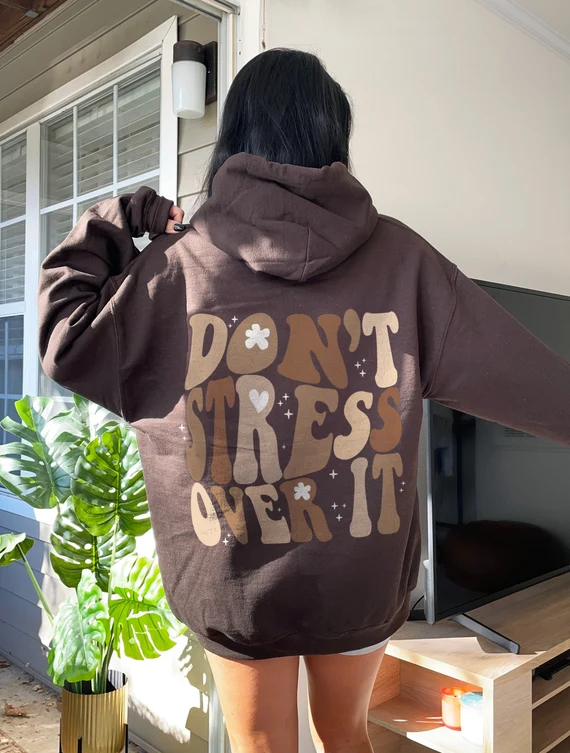
The earlier defects are found, the easier they are to fix.
5. The Four Main Stages of Apparel Quality Control
Professional factories typically inspect garments throughout production.
Stage 1
Raw Material Inspection
Stage 2
Cutting Inspection
Stage 3
In-Line Production Inspection
Stage 4
Final Random Inspection
QC Workflow
| Stage | Purpose |
|---|---|
| Material Check | Prevent Fabric Problems |
| Cutting Check | Prevent Size Errors |
| Sewing Check | Prevent Construction Issues |
| Final Inspection | Verify Finished Goods |
This layered approach reduces risk.
6. Fabric Inspection Procedures
Many production issues begin with fabric.
That's why fabric inspection is critical.
What Inspectors Check
- GSM consistency
- Fabric width
- Color matching
- Surface defects
- Shrinkage
Fabric QC Checklist
| Item | Checked |
|---|---|
| Color Shade | Yes |
| Weight (GSM) | Yes |
| Defects | Yes |
| Width | Yes |
| Shrinkage | Yes |
High-quality garments start with high-quality fabric.
7. In-Line Production Inspection
In-line inspection occurs during production.
Instead of waiting until garments are finished, inspectors monitor production in real time.
Benefits
✔ Problems identified early
✔ Lower repair costs
✔ Better efficiency
✔ Reduced waste
Common Checks
- Seam construction
- Stitch density
- Thread tension
- Logo placement
Why It Matters
Fixing one defect early is easier than repairing hundreds later.
8. Final Random Inspection
This is the last major checkpoint before shipment.
Finished garments are randomly selected and inspected.
Inspection Areas
- Appearance
- Measurements
- Packaging
- Labels
- Workmanship
Typical Checklist
| Category | Inspection |
|---|---|
| Measurements | Yes |
| Logo Placement | Yes |
| Packaging | Yes |
| Color Accuracy | Yes |
| Workmanship | Yes |
Only approved products move forward to shipping.
9. AQL Standards Explained
Many professional factories use AQL (Acceptable Quality Limit) standards.
AQL helps determine how many defects are acceptable within a production batch.
What AQL Does
It creates a standardized inspection process.
Typical AQL Levels
| Level | Application |
|---|---|
| 1.0 | Luxury Products |
| 2.5 | Standard Apparel |
| 4.0 | Lower Risk Products |
Most premium apparel brands use stricter standards.
Industry Resource
Learn more about inspection standards through ANSI-ASQ Standards.
10. How QC Protects Fashion Brands
Consumers rarely see a factory.
They judge brands entirely through the products they receive.
Strong QC Leads To
- Better reviews
- More repeat customers
- Lower return rates
- Higher customer trust
Brand Protection Benefits
| Benefit | Impact |
|---|---|
| Customer Satisfaction | High |
| Retention | High |
| Reputation | High |
| Profitability | High |
Quality control directly supports brand growth.
11. Choosing a Manufacturer With Strong QC
Not all factories maintain the same quality standards.
Questions To Ask
- Do you have dedicated QC staff?
- How many inspection stages do you use?
- What AQL level do you follow?
- Can you provide QC reports?
- Do you inspect fabric before production?
Green Flags
✔ Dedicated QC team
✔ Written inspection procedures
✔ In-line inspections
✔ Final random inspections
✔ Measurement reports
Manufacturing Resources
If you're looking for a manufacturer with structured quality processes, explore:
12. FAQ
What is the purpose of quality control in clothing manufacturing?
Quality control helps identify defects, maintain consistency, and ensure products meet brand requirements.
What happens if a factory has poor QC?
Poor QC often leads to higher defect rates, customer complaints, returns, and brand damage.
How many times should garments be inspected?
Professional manufacturers typically inspect products multiple times during production and again before shipment.
What is AQL?
AQL stands for Acceptable Quality Limit, a standard used to evaluate production quality.
Does quality control increase manufacturing costs?
Yes, but it usually reduces overall business costs by preventing larger problems later.
Final Thoughts
Quality control is one of the most important systems in apparel manufacturing.
It protects:
- Product consistency
- Customer satisfaction
- Brand reputation
- Long-term profitability
From my experience, successful clothing brands don't rely on luck.
They rely on processes.
And quality control is one of the most important processes a manufacturer can have.
If you're sourcing apparel production, prioritize factories that invest in strong QC systems rather than simply choosing the lowest price.
For apparel manufacturing support, visit:
Additional industry resources:
Because in clothing manufacturing, quality is never accidental.
It's inspected.
