
If you're developing a streetwear collection, you've probably heard manufacturers talk about reactive dyeing and garment dyeing.
At first glance, both methods seem similar.
Both add color to garments.
Both are commonly used in streetwear.
Both can produce beautiful results.
But here's the reality:
Reactive dye and garment dye are not competitors—they describe different parts of the dyeing process and serve different purposes.
One refers primarily to a dye chemistry, while the other refers to when the dyeing occurs during production.
After working with apparel factories, fabric mills, and streetwear brands, I've noticed that many startup brands misunderstand the difference, which often leads to incorrect fabric choices and unexpected production outcomes.
In this guide, I'll explain exactly how reactive dyeing and garment dyeing work, their advantages and disadvantages, and when each method is the right choice.
Table of Contents
- 1. Understanding the Basics
- 2. What Is Reactive Dyeing?
- 3. What Is Garment Dyeing?
- 4. Reactive Dye vs Garment Dye: Key Differences
- 5. Color Appearance Comparison
- 6. Durability and Wash Performance
- 7. Production Cost Comparison
- 8. Which Method Do Streetwear Brands Prefer?
- 9. When Should You Use Reactive Dyeing?
- 10. When Should You Use Garment Dyeing?
- 11. Can Reactive Dye and Garment Dye Be Combined?
- 12. FAQ
- Final Thoughts
1. Understanding the Basics
One of the biggest misconceptions in apparel manufacturing is comparing reactive dyeing and garment dyeing as if they are the same thing.
They actually answer two different questions.
Reactive Dyeing Answers:
What dye chemistry is used?
Garment Dyeing Answers:
When is the garment dyed?
Simplified Explanation
| Question | Reactive Dye | Garment Dye |
|---|---|---|
| What is it? | Dye Type | Production Method |
| Focus | Chemistry | Manufacturing Process |
| Purpose | Color Bonding | Product Appearance |
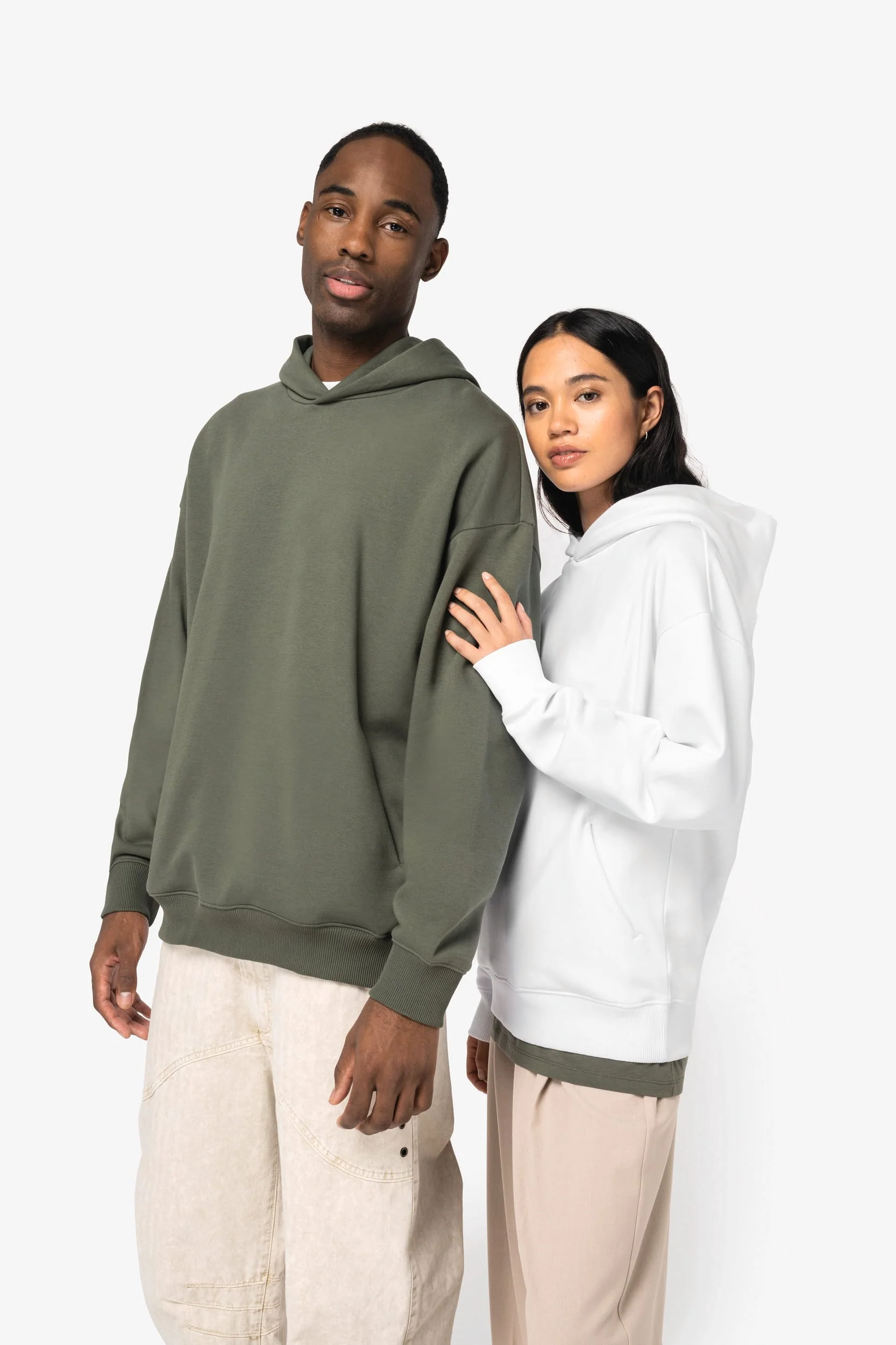
Understanding this distinction makes everything easier.
2. What Is Reactive Dyeing?
Reactive dyeing uses special dyes that chemically bond with cotton fibers.
Instead of sitting on the fabric surface, the dye becomes part of the fiber itself.
How Reactive Dye Works
- Fabric enters dye bath
- Dye reacts with cotton fibers
- Chemical bond forms
- Excess dye is removed
Benefits
- Excellent color fastness
- Rich color depth
- Better wash resistance
- Vibrant appearance
Common Applications
| Product | Usage |
|---|---|
| Basic T-Shirts | High |
| Hoodies | High |
| Uniforms | High |
| Luxury Basics | High |
Reactive dyeing is one of the most widely used dyeing methods in apparel manufacturing.
3. What Is Garment Dyeing?
Garment dyeing refers to the stage at which the product is dyed.
Instead of dyeing fabric rolls before production, manufacturers dye the finished garment.
Standard Production
Fabric → Dye → Cut → Sew
Garment Dye Production
Fabric → Cut → Sew → Dye
Why Brands Use It
Garment dyeing creates:
- Vintage aesthetics
- Natural fading
- Soft hand feel
- Unique character
This method is especially popular in premium streetwear.
4. Reactive Dye vs Garment Dye: Key Differences
The easiest way to understand the difference is through direct comparison.
Side-by-Side Comparison
| Feature | Reactive Dye | Garment Dye |
|---|---|---|
| Type | Dye Chemistry | Production Method |
| Applied To | Fabric or Garment | Finished Garment |
| Main Goal | Color Permanence | Visual Character |
| Appearance | Clean | Vintage |
| Color Variation | Minimal | Natural Variation |
These methods solve different manufacturing objectives.
5. Color Appearance Comparison
One of the most visible differences is the final look.
Reactive Dye Appearance
- Clean
- Consistent
- Bright
- Modern
Garment Dye Appearance
- Faded
- Soft
- Vintage
- Lived-in
Visual Characteristics
| Characteristic | Reactive Dye | Garment Dye |
|---|---|---|
| Color Uniformity | High | Medium |
| Vintage Look | Low | High |
| Fading Effect | Low | High |
| Color Depth | High | High |
This is often the deciding factor for fashion brands.
6. Durability and Wash Performance
Performance is another major consideration.
Reactive Dye Strengths
✔ Strong fiber bonding
✔ Excellent color retention
✔ Reduced fading
✔ Better wash resistance
Garment Dye Characteristics
✔ Softer feel
✔ Controlled fading
✔ Vintage aging effect
Durability Comparison
| Category | Reactive Dye | Garment Dye |
|---|---|---|
| Color Fastness | Excellent | Good |
| Fade Resistance | Excellent | Moderate |
| Vintage Aging | Low | High |
| Softness | Good | Excellent |
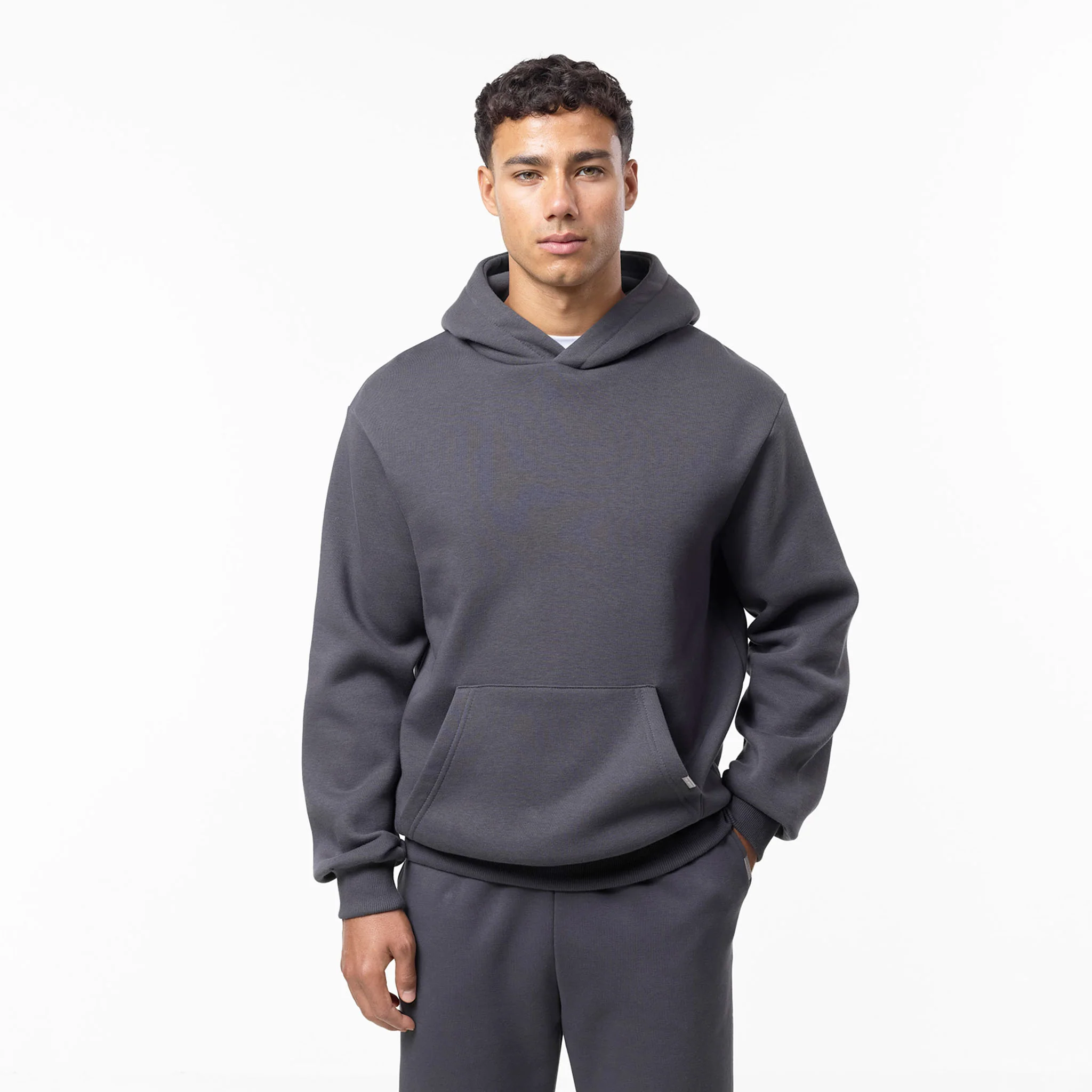
Reactive dyeing generally wins in pure durability.
7. Production Cost Comparison
Many brands ask which option costs more.
The answer depends on the production setup.
Typical Cost Factors
Reactive Dye:
- Fabric dyeing
- Chemical processing
- Color testing
Garment Dye:
- Finished garment handling
- Additional washing
- Extra labor
Cost Comparison
| Area | Reactive Dye | Garment Dye |
|---|---|---|
| Material Cost | Moderate | Moderate |
| Labor Cost | Lower | Higher |
| Production Time | Faster | Slower |
| Overall Cost | Medium | Medium-High |
Garment dyeing often increases manufacturing costs.
8. Which Method Do Streetwear Brands Prefer?
The answer depends on the brand identity.
Brands That Prefer Reactive Dye
- Luxury basics brands
- Activewear brands
- Minimalist brands
Brands That Prefer Garment Dye
- Vintage streetwear labels
- Washed collections
- Heritage-inspired brands
Popular Use Cases
| Brand Style | Preferred Method |
|---|---|
| Clean Luxury | Reactive Dye |
| Vintage Streetwear | Garment Dye |
| Performance Apparel | Reactive Dye |
| Washed Collections | Garment Dye |
Many modern brands use both.
9. When Should You Use Reactive Dyeing?
Choose reactive dyeing when your goal is consistency.
Ideal Situations
✔ Bright colors
✔ Long-term color retention
✔ Consistent production
✔ Premium basics
Recommended Products
- Core T-Shirts
- Luxury basics
- Uniform collections
- Performance apparel
Reactive dyeing works best when consistency matters most.
10. When Should You Use Garment Dyeing?
Choose garment dyeing when aesthetics matter more than perfect uniformity.
Ideal Situations
✔ Vintage collections
✔ Washed garments
✔ Premium streetwear
✔ Lifestyle apparel
Recommended Products
- Vintage tees
- Oversized hoodies
- Washed sweatpants
- Graphic collections
Garment dyeing creates personality.
11. Can Reactive Dye and Garment Dye Be Combined?
Yes—and many premium brands do exactly that.
This is where things become interesting.
Example Workflow
- Garment is sewn
- Reactive dye is applied during garment dyeing
- Washing treatments follow
Benefits
- Excellent color fastness
- Softer hand feel
- Better aesthetics
- Premium appearance
Combination Advantages
| Benefit | Result |
|---|---|
| Durability | High |
| Color Depth | High |
| Softness | High |
| Premium Feel | High |
Many luxury streetwear collections use this approach.
12. FAQ
Is reactive dye better than garment dye?
Not necessarily. They serve different purposes.
Why do garment-dyed products feel softer?
The dyeing process often includes washing and finishing treatments.
Which method fades faster?
Garment-dyed products typically fade more naturally over time.
Which method is more expensive?
Garment dyeing often costs more due to additional processing steps.
Which method is best for streetwear?
Both can work well depending on the desired aesthetic.
Final Thoughts
Reactive dyeing and garment dyeing are not competing technologies.
They solve different problems.
Reactive dyeing focuses on:
- Color permanence
- Consistency
- Durability
Garment dyeing focuses on:
- Character
- Softness
- Vintage appeal
From my experience, the best choice depends on your brand identity and product goals.
If you're building clean luxury basics, reactive dyeing is often ideal.
If you're developing washed streetwear collections, garment dyeing may be the better option.
For custom dyed apparel development, explore:
Industry resources:
Because in apparel manufacturing, understanding how color is created is often the first step toward creating better products.
