
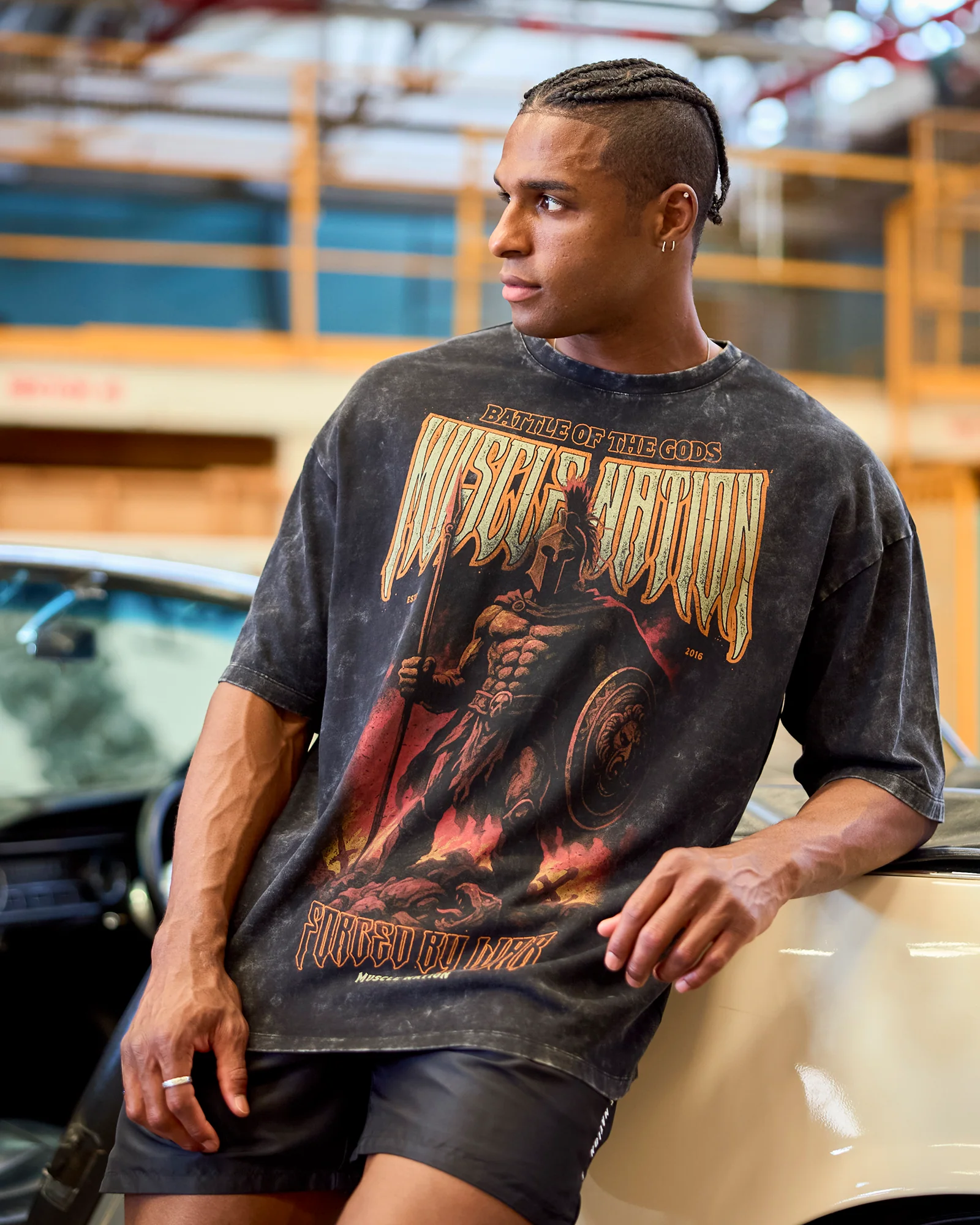
Vintage wash T-shirts have become one of the defining products in modern streetwear.
From oversized essentials to graphic tees, many of today's most popular brands use vintage washing techniques to create a worn-in, aged appearance that looks and feels authentic.
But how exactly are vintage wash T-shirts made?
Many people assume manufacturers simply wash a garment a few times and call it "vintage."
The reality is much more complex.
A true vintage wash T-shirt is the result of fabric engineering, garment dyeing, specialized washing techniques, and careful quality control.
After working with streetwear brands and garment-washing factories, I've seen how different washing processes can completely transform the appearance, texture, and value of a T-shirt.
In this guide, I'll explain the entire production process behind vintage wash T-shirts and why they have become a staple of premium streetwear collections.
Table of Contents
- 1. What Is a Vintage Wash T-Shirt?
- 2. Why Vintage Wash T-Shirts Are Popular
- 3. Step 1: Selecting the Right Fabric
- 4. Step 2: Garment Construction
- 5. Step 3: Preparing for Washing
- 6. Step 4: The Vintage Washing Process
- 7. Step 5: Special Effects and Fading Techniques
- 8. Step 6: Drying and Finishing
- 9. Quality Control for Vintage Wash Garments
- 10. Different Types of Vintage Washes
- 11. Vintage Wash vs Regular T-Shirts
- 12. FAQ
- Final Thoughts
1. What Is a Vintage Wash T-Shirt?
A vintage wash T-shirt is a garment that has undergone specialized washing treatments to create a faded, aged, and worn-in appearance.
Unlike standard T-shirts, vintage wash garments are intentionally processed to look as though they have been worn for years.
Common Characteristics
- Soft hand feel
- Faded color appearance
- Slightly distressed look
- Relaxed texture
- Unique garment variation
Why It Feels Different
The washing process changes:
- Fabric surface
- Color intensity
- Fabric softness
- Overall drape

This creates a more premium and authentic aesthetic.
2. Why Vintage Wash T-Shirts Are Popular
Vintage wash garments have become a core category in streetwear.
Consumer Benefits
| Benefit | Value |
|---|---|
| Softer Feel | High |
| Unique Appearance | High |
| Premium Look | High |
| Vintage Aesthetic | Very High |
| Better Comfort | High |
Why Brands Love Them
Vintage washes help brands:
- Differentiate products
- Increase perceived value
- Create unique collections
- Follow current fashion trends
Many premium streetwear brands rely heavily on washed garments.
3. Step 1: Selecting the Right Fabric
The process begins with fabric selection.
Not all fabrics respond well to garment washing.
Common Fabric Choices
| Fabric | Suitability |
|---|---|
| 100% Cotton Jersey | Excellent |
| Combed Cotton | Excellent |
| Ring-Spun Cotton | Excellent |
| Cotton Blends | Good |
| Polyester-Dominant Fabrics | Limited |
Recommended Fabric Weights
| Product Type | GSM |
|---|---|
| Lightweight Vintage Tee | 180–220 GSM |
| Premium Vintage Tee | 240–280 GSM |
| Heavyweight Vintage Tee | 280–320 GSM |
Cotton remains the most popular choice for vintage wash effects.
4. Step 2: Garment Construction
Unlike traditional fabric dyeing, vintage wash effects are often applied after the garment has been sewn.
Construction Process
- Fabric cutting
- Panel preparation
- Sewing
- Label attachment
- Initial inspection
Why Garment Construction Comes First
Vintage washing works best when applied to finished garments because it creates more natural fading and wear patterns.
5. Step 3: Preparing for Washing
Before washing begins, garments must be prepared.
Pre-Wash Inspection
Manufacturers check:
- Stitching quality
- Measurements
- Fabric defects
- Label security
Preparation Checklist
| Item | Inspection |
|---|---|
| Stitching | Required |
| Measurements | Required |
| Fabric Defects | Required |
| Labels | Required |
Any defects should be corrected before washing.
6. Step 4: The Vintage Washing Process
This is where the transformation happens.
Garments are loaded into industrial washing machines.
Common Washing Techniques
- Enzyme Wash
- Pigment Wash
- Stone Wash
- Mineral Wash
- Acid Wash
Most Popular Method
Enzyme washing is often used because it:
- Softens fabric
- Reduces surface fuzz
- Creates natural fading
Typical Washing Workflow
| Stage | Purpose |
|---|---|
| Loading | Prepare garments |
| Washing | Create vintage effect |
| Rinsing | Remove chemicals |
| Neutralizing | Stabilize fabric |
The exact formula varies by factory and brand.
7. Step 5: Special Effects and Fading Techniques
Many premium vintage tees include additional treatments.
Popular Effects
Pigment Dye
Creates uneven color variation.
Mineral Wash
Produces a naturally aged appearance.
Acid Wash
Creates dramatic contrast effects.
Spray Fading
Targets specific garment areas.
Effect Comparison
| Technique | Appearance |
|---|---|
| Enzyme Wash | Soft Vintage |
| Pigment Wash | Faded Vintage |
| Acid Wash | High Contrast |
| Mineral Wash | Distressed Look |
These treatments create individuality and uniqueness.
8. Step 6: Drying and Finishing
After washing, garments move to finishing.
Finishing Steps
- Drying
- Shape correction
- Thread trimming
- Final pressing
Additional Treatments
Some factories apply:
- Silicone softeners
- Anti-pilling treatments
- Surface brushing
These improve garment feel and appearance.
9. Quality Control for Vintage Wash Garments
Vintage wash garments require special quality control procedures.
Inspection Areas
- Color consistency
- Wash effect consistency
- Shrinkage
- Measurements
- Fabric damage
QC Standards
| Category | Inspection |
|---|---|
| Measurements | Yes |
| Color Variation | Yes |
| Shrinkage | Yes |
| Fabric Strength | Yes |
| Appearance | Yes |
Because washing changes the garment, post-wash inspection is critical.
10. Different Types of Vintage Washes
Not all vintage washes are the same.
Popular Wash Categories
| Wash Type | Characteristics |
|---|---|
| Enzyme Wash | Soft and subtle |
| Pigment Wash | Faded and rich |
| Stone Wash | Aged texture |
| Mineral Wash | Distressed appearance |
| Acid Wash | High contrast effects |
Each creates a different visual result.
11. Vintage Wash vs Regular T-Shirts
Side-by-Side Comparison
| Feature | Regular Tee | Vintage Wash Tee |
|---|---|---|
| Softness | Standard | Enhanced |
| Appearance | Uniform | Unique |
| Color | Consistent | Faded |
| Perceived Value | Medium | High |
| Streetwear Appeal | Medium | Very High |
This is one reason vintage wash products often command higher retail prices.
12. FAQ
Why are vintage wash T-shirts more expensive?
Additional washing, labor, quality control, and finishing increase production costs.
Does vintage washing damage the fabric?
Professional washing processes are designed to maintain fabric durability.
Are all vintage wash T-shirts identical?
No. Small variations are part of their appeal.
What fabric works best for vintage washing?
100% cotton and ring-spun cotton fabrics generally perform best.
Can vintage wash effects be customized?
Yes. Factories can create unique washing formulas and fading effects.
Final Thoughts
Vintage wash T-shirts are much more than standard garments with faded colors.
They are the result of:
- Careful fabric selection
- Professional garment construction
- Specialized washing techniques
- Advanced finishing processes
- Strict quality control
From my experience, vintage washing remains one of the most effective ways to create premium-looking streetwear products that stand out in a crowded market.
If you're developing custom vintage wash collections, explore:
Industry resources:
Because in modern streetwear, the perfect vintage look isn't accidental.
It's engineered.
