
One of the biggest fears new clothing brand owners have is this:
"How can my small brand compete with companies that have millions of dollars, huge marketing teams, and global recognition?"
The answer may surprise you.
Most successful independent clothing brands don't beat large brands by becoming bigger.
They win by becoming more focused.
I've worked with startup streetwear labels, activewear brands, and fashion entrepreneurs for years, and I've noticed a pattern:
Small brands succeed when they stop competing on size and start competing on relevance.
In this guide, I'll explain exactly how small clothing brands can compete with larger competitors, build loyal communities, and create sustainable growth without massive budgets.
Table of Contents
- 1. Why Small Brands Actually Have Advantages
- 2. Stop Competing on Price
- 3. Focus on a Specific Niche
- 4. Build a Community, Not Just Customers
- 5. Move Faster Than Large Brands
- 6. Create Better Brand Stories
- 7. Use Limited Drops Strategically
- 8. Prioritize Product Quality
- 9. Leverage Direct-to-Consumer Marketing
- 10. Growth Strategies That Actually Work
- 11. FAQ
- Final Thoughts
1. Why Small Brands Actually Have Advantages
Many founders see their small size as a weakness.
In reality, it can be a major advantage.
Large companies often move slowly because they have:
- More approvals
- Larger inventories
- Complex operations
- Corporate structures
Small brands can adapt much faster.
Small vs Large Brand Comparison
| Area | Small Brand | Large Brand |
|---|---|---|
| Speed | High | Low |
| Flexibility | High | Medium |
| Community Connection | High | Medium |
| Budget | Low | High |
| Innovation | High | Medium |

Agility is often more valuable than size.
2. Stop Competing on Price
One of the fastest ways to fail is trying to be the cheapest option.
Large brands usually have:
- Better purchasing power
- Larger production runs
- Lower per-unit costs
You cannot win this battle.
Better Alternative
Compete on:
✔ Quality
✔ Identity
✔ Story
✔ Community
✔ Exclusivity
Customer Priorities
| Factor | Importance |
|---|---|
| Price | Medium |
| Product Quality | High |
| Brand Identity | High |
| Community | High |
People rarely choose Supreme, Corteiz, or Fear of God because they are cheap.
3. Focus on a Specific Niche
Large brands target broad markets.
Small brands should do the opposite.
Examples of Strong Niches
- Skateboarding
- Fitness Streetwear
- Vintage Streetwear
- Motorcycle Culture
- Anime Inspired Apparel
- Outdoor Streetwear
Niche Strategy
| Broad Market | Better Niche |
|---|---|
| Streetwear | Vintage Washed Streetwear |
| Activewear | Powerlifting Apparel |
| Casualwear | Minimalist Oversized Clothing |
The more specific your audience, the easier marketing becomes.
4. Build a Community, Not Just Customers
Large brands often struggle to create genuine connections.
Small brands can create loyal communities.
Community Building Ideas
- Discord groups
- Instagram broadcasts
- Private email lists
- Brand ambassador programs
- Exclusive drops
Brand Growth Formula
Community → Loyalty → Repeat Purchases → Growth
A loyal customer base can outperform a large audience.
5. Move Faster Than Large Brands
Speed is one of the biggest competitive advantages available to small brands.
Example
Trend emerges:
- Large brand reaction: 6–12 months
- Small brand reaction: 30–60 days
Fast Brand Advantages
| Advantage | Impact |
|---|---|
| Trend Response | High |
| Product Testing | High |
| Customer Feedback | High |
| Product Iteration | High |
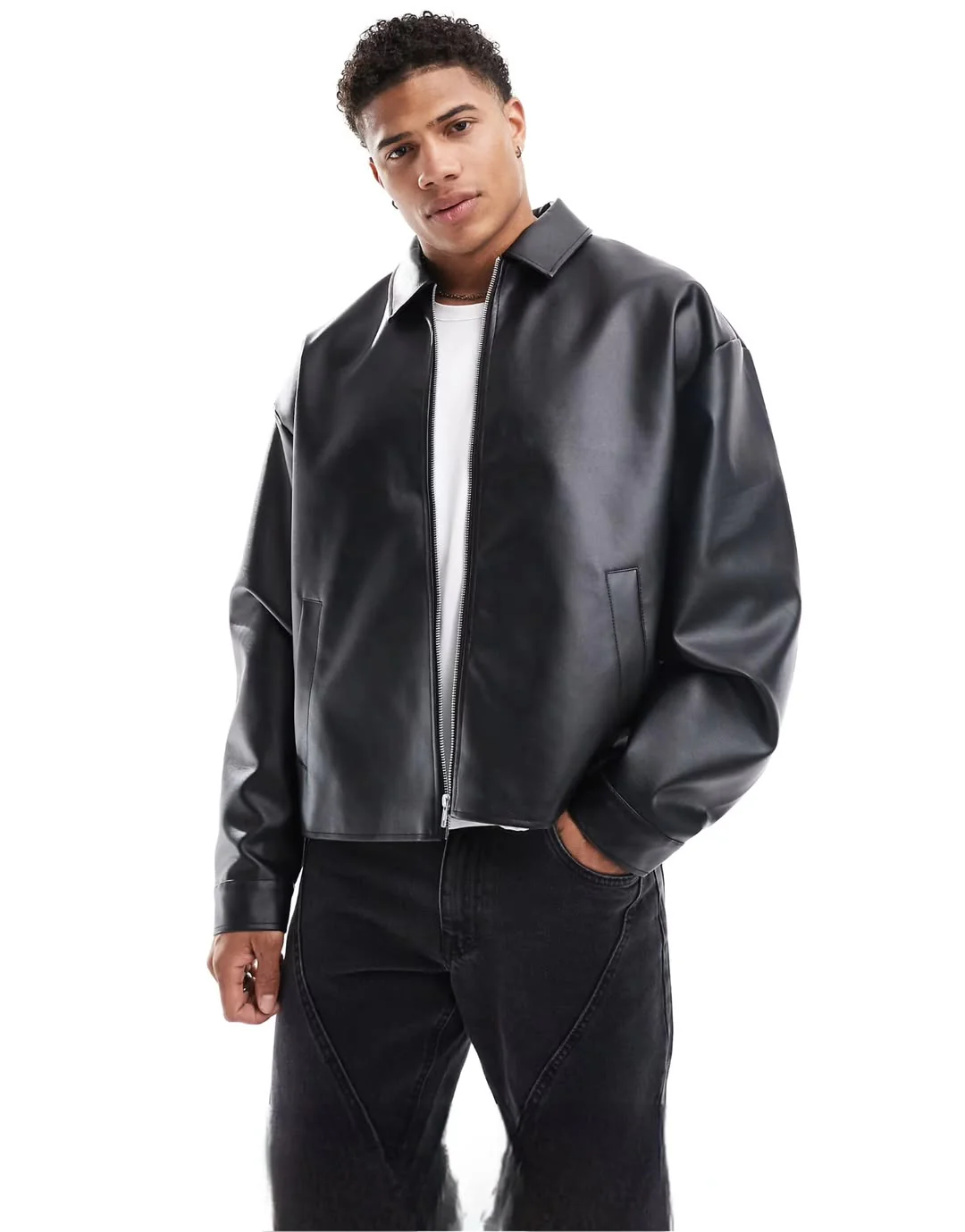
Small brands should embrace speed.
6. Create Better Brand Stories
People connect with stories.
Large corporations often struggle to appear authentic.
What Customers Want
They want to know:
- Why the brand exists
- Who created it
- What it represents
Strong Story Elements
✔ Founder journey
✔ Brand mission
✔ Product inspiration
✔ Behind-the-scenes content
Storytelling vs Advertising
| Approach | Customer Connection |
|---|---|
| Traditional Advertising | Medium |
| Authentic Storytelling | High |
Stories create emotional value.
7. Use Limited Drops Strategically
One of the biggest advantages small brands have is scarcity.
Why Limited Drops Work
- Reduce inventory risk
- Create urgency
- Increase engagement
- Improve cash flow
Launch Models
| Model | Benefits |
|---|---|
| Always In Stock | Predictability |
| Limited Drops | Excitement |
| Seasonal Releases | Balance |
Many successful streetwear brands rely on limited-release strategies.
8. Prioritize Product Quality
Great products are still the foundation of every successful brand.
Product Areas To Focus On
- Fabric quality
- Fit consistency
- Construction
- Packaging
- Customer experience
Manufacturing Resources
For brands focused on quality development:
Quality Impact
| Quality Level | Customer Retention |
|---|---|
| Poor | Low |
| Average | Medium |
| Excellent | High |
The best marketing cannot fix poor products.
9. Leverage Direct-to-Consumer Marketing
Large brands often rely on retailers and distributors.
Small brands can build direct relationships.
Effective DTC Channels
- TikTok
- Email Marketing
- YouTube
Marketing Priority
| Channel | Priority |
|---|---|
| High | |
| High | |
| TikTok | High |
| Paid Ads | Medium |
Owning your audience creates long-term value.
10. Growth Strategies That Actually Work
Most small brands don't need millions of followers.
They need consistency.
Sustainable Growth Framework
Stage 1
Validate products.
Stage 2
Build community.
Stage 3
Increase retention.
Stage 4
Scale production.
Growth Comparison
| Strategy | Long-Term Success |
|---|---|
| Viral Moment | Low |
| Consistent Growth | High |
| Community Building | Very High |
Small wins compound over time.
11. FAQ
Can small clothing brands compete with large brands?
Yes. They compete through focus, speed, community, and authenticity.
Should I try to match big-brand prices?
Usually no. Compete on value rather than price.
What is the biggest advantage of a small brand?
Agility and direct customer relationships.
Do I need a large marketing budget?
No. Many successful brands grow through organic content and community building.
What should a new brand focus on first?
Product quality and audience engagement.
Final Thoughts
Small clothing brands rarely beat large brands by doing the same things.
They win by doing different things.
The strongest independent brands focus on:
- Niche audiences
- Authentic storytelling
- Community building
- Product quality
- Fast execution
From my experience, consumers increasingly support brands that feel personal and authentic.
Remember:
Small brands don't need to become bigger than large brands. They need to become more meaningful to their audience.
If you're building a clothing brand and need support with product development, manufacturing, and scaling, explore:
Industry resources:
Focus beats size.
Community beats advertising.
Consistency beats hype.
