
For many clothing brands, manufacturing starts locally.
It feels safer.
Communication is easier, shipping is faster, and meeting suppliers can be more convenient.
But as a brand grows, a question inevitably arises:
"When should I switch to overseas manufacturing?"
I've worked with brands that moved production overseas too early and regretted it. I've also seen brands wait too long and miss major growth opportunities.
The truth is that overseas manufacturing isn't automatically better.
It's simply a different stage of business growth.
In this guide, I'll explain when switching to overseas manufacturing makes sense, how successful clothing brands approach the transition, and the signs that indicate your business is ready.
Table of Contents
- 1. What Is Overseas Manufacturing?
- 2. Why Brands Consider Moving Production Overseas
- 3. Signs You're Ready for Overseas Manufacturing
- 4. When You Should Not Switch Yet
- 5. Cost Comparison: Local vs Overseas
- 6. Risks of Overseas Manufacturing
- 7. How Successful Brands Make the Transition
- 8. Choosing the Right Overseas Factory
- 9. Overseas Manufacturing Checklist
- 10. FAQ
- Final Thoughts
1. What Is Overseas Manufacturing?
Overseas manufacturing means producing garments outside your home country.
For example:
| Brand Location | Manufacturing Location |
|---|---|
| United States | China |
| United Kingdom | China, Portugal, Turkey |
| Australia | China, Vietnam |
| Canada | China, Bangladesh |
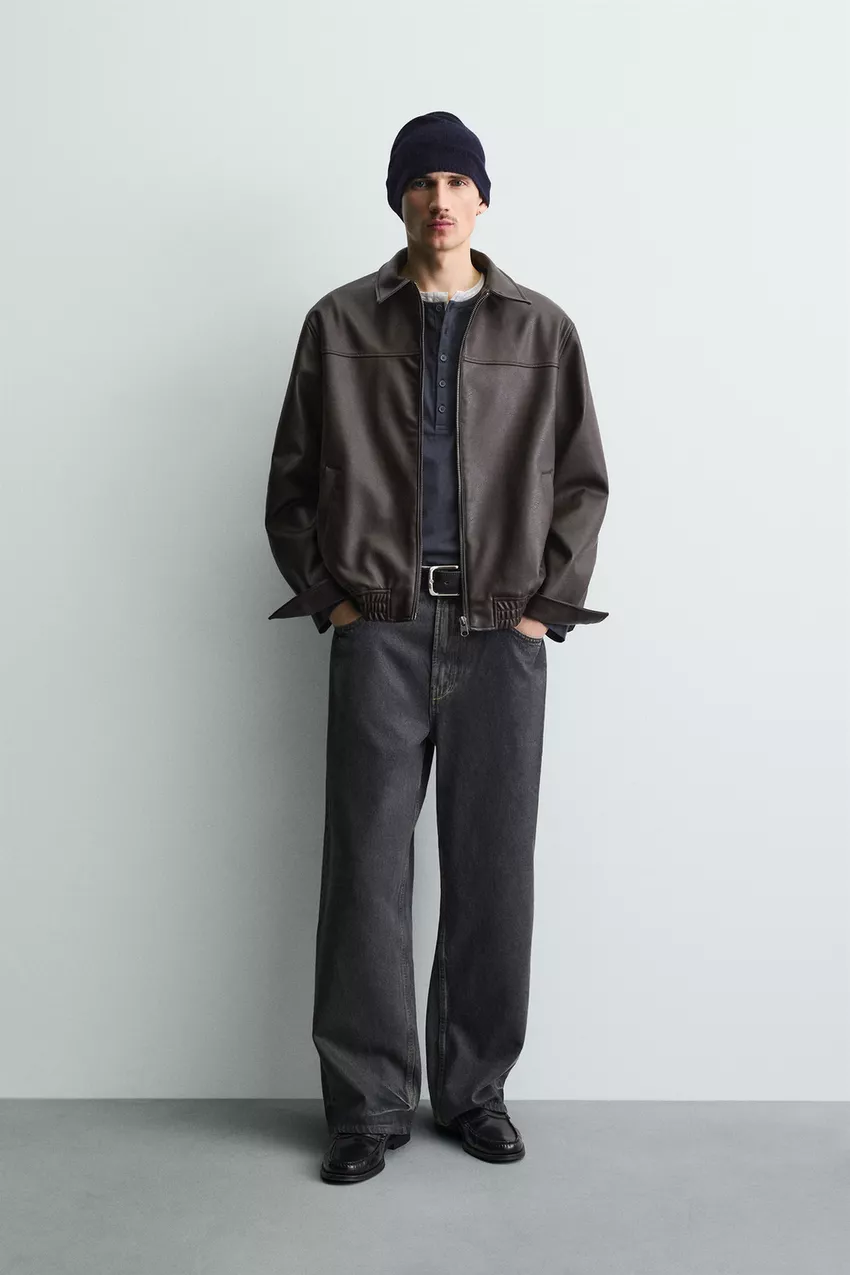
Many successful apparel brands manufacture internationally to improve scalability and reduce costs.
2. Why Brands Consider Moving Production Overseas
The decision is rarely based on a single factor.
Most brands switch because they need:
- Better pricing
- Higher production capacity
- More fabric options
- Advanced manufacturing techniques
- Greater scalability
Common Business Goals
| Goal | Overseas Advantage |
|---|---|
| Lower Cost | High |
| More Customization | High |
| Larger Production Runs | High |
| Fabric Variety | High |
| Speed to Market | Medium |
For many growing brands, overseas production unlocks opportunities that local suppliers cannot easily provide.
3. Signs You're Ready for Overseas Manufacturing
Not every brand should move production overseas immediately.
Here are the strongest indicators that you're ready.
Sign #1: Your Order Volumes Are Growing
Example:
- First launch: 100 pieces
- Current launch: 1,000+ pieces
As volume increases, overseas pricing advantages become more significant.
Sign #2: Local Manufacturing Costs Are Limiting Growth
If production costs consume too much of your margin, scaling becomes difficult.
Example
| Product | Local Cost | Overseas Cost |
|---|---|---|
| Hoodie | $35 | $18 |
| T-Shirt | $15 | $7 |
| Sweatpants | $25 | $12 |
The difference can dramatically improve profitability.
Sign #3: You Need More Product Customization
Many growing streetwear brands want:
- Custom fabrics
- Garment dyeing
- Puff printing
- Silicone printing
- Complex embroidery

These capabilities are often easier to access through specialized overseas factories.
Sign #4: You Have Consistent Demand
One of the biggest mistakes is moving overseas before demand is validated.
Successful brands typically have:
✔ Repeat customers
✔ Proven products
✔ Reliable sales history
before scaling production internationally.
4. When You Should Not Switch Yet
Many founders move overseas too early.
You May Not Be Ready If:
❌ You're still testing products
❌ You haven't validated demand
❌ Your order quantities are very small
❌ You frequently change designs
❌ Cash flow is unstable
Startup Stage Comparison
| Stage | Recommended Manufacturing |
|---|---|
| Product Testing | Local / Small Batch |
| Market Validation | Local or Hybrid |
| Growth Stage | Overseas Consideration |
| Scaling Stage | Overseas Recommended |
The timing matters more than the location.
5. Cost Comparison: Local vs Overseas
Cost savings are usually the main reason brands switch.
Typical Cost Differences
| Category | Local Production | Overseas Production |
|---|---|---|
| Labor | High | Lower |
| MOQ | Lower | Medium |
| Sampling | Medium | Medium |
| Bulk Pricing | Higher | Lower |
| Shipping | Lower | Higher |
Important Insight
Many founders focus only on manufacturing costs.
However, total landed cost includes:
- Production
- Shipping
- Duties
- Customs
- Warehousing
Always compare total costs, not factory prices alone.
6. Risks of Overseas Manufacturing
International production offers advantages, but also introduces new challenges.
Common Risks
- Longer lead times
- Communication delays
- Shipping disruptions
- Quality inconsistencies
- Import regulations
Risk Assessment
| Risk | Severity |
|---|---|
| Shipping Delays | Medium |
| Quality Issues | High |
| Communication Problems | Medium |
| Customs Delays | Medium |
| Poor Factory Selection | Very High |
Most problems can be reduced through proper supplier selection.
7. How Successful Brands Make the Transition
The smartest brands rarely move everything overseas immediately.
Recommended Process
Step 1
Maintain existing production.
Step 2
Develop samples with overseas factories.
Step 3
Compare:
- Quality
- Pricing
- Lead times
- Communication
Step 4
Place a small trial order.
Step 5
Scale gradually.
Transition Strategy
| Stage | Production Allocation |
|---|---|
| Trial Phase | 20% Overseas |
| Validation Phase | 50% Overseas |
| Growth Phase | 80–100% Overseas |
Gradual transitions reduce risk significantly.
8. Choosing the Right Overseas Factory
Not all factories are equal.
Evaluation Criteria
| Factor | Importance |
|---|---|
| Product Expertise | Very High |
| Communication | High |
| Quality Control | Very High |
| MOQ Flexibility | High |
| Development Support | High |
Helpful Manufacturing Resources
If you're exploring overseas manufacturing options:
Industry references:
9. Overseas Manufacturing Checklist
Before making the switch, ask yourself:
Business Readiness
✔ Have I validated demand?
✔ Are my products consistently selling?
✔ Do I have predictable order quantities?
Financial Readiness
✔ Can I afford larger production runs?
✔ Have I calculated landed costs?
✔ Do I have sufficient cash flow?
Manufacturing Readiness
✔ Have I sampled multiple factories?
✔ Is quality consistent?
✔ Are communication processes clear?
If most answers are "Yes," your brand may be ready.
10. FAQ
When should a clothing brand switch to overseas manufacturing?
Typically after product demand has been validated and order volumes begin increasing.
Is overseas manufacturing always cheaper?
Not always. Total landed costs must be considered.
What is the biggest advantage of overseas production?
Scalability and lower production costs.
What is the biggest risk?
Choosing the wrong factory.
Should startups manufacture overseas?
Some can, but many benefit from validating products locally first.
Final Thoughts
Switching to overseas manufacturing is not a milestone every brand reaches at the same time.
The best moment to make the transition is when:
- Demand is proven
- Order volumes are growing
- Margins need improvement
- Production complexity increases
From my experience, successful brands don't move overseas because it's trendy.
They move because it supports their next stage of growth.
Remember:
The goal isn't cheaper manufacturing. The goal is better business scalability.
If you're evaluating overseas manufacturing partners and want support with product development, sampling, and production planning, explore:
The right manufacturing strategy can become one of your strongest competitive advantages.