
Finding your first clothing manufacturer can feel overwhelming.
When I talk with new fashion entrepreneurs, this is often the moment where excitement turns into uncertainty.
Questions like:
- Where do I find manufacturers?
- How do I know if a factory is trustworthy?
- What if I choose the wrong supplier?
- How many factories should I contact?
are incredibly common.
The good news is that most successful clothing brands started exactly where you are now.
In fact, after working with startup streetwear brands, gymwear labels, and growing apparel companies, I've found that finding a manufacturer is usually less about luck and more about following a structured process.
In this guide, I'll explain exactly how new clothing brands find their first manufacturer, what mistakes to avoid, and how to choose a factory that supports long-term growth.
Table of Contents
- 1. Why Finding the Right Manufacturer Matters
- 2. Where Most New Brands Start Looking
- 3. Online Platforms vs Direct Manufacturers
- 4. How to Shortlist Potential Factories
- 5. Questions to Ask Before Choosing a Manufacturer
- 6. The Importance of Sampling
- 7. Red Flags to Watch For
- 8. How Many Manufacturers Should You Contact?
- 9. Building a Long-Term Manufacturing Relationship
- 10. FAQ
- Final Thoughts
1. Why Finding the Right Manufacturer Matters
Many founders think their biggest challenge is creating great designs.
In reality, a poor manufacturing partner can ruin even the best collection.
What a Good Manufacturer Provides
- Consistent quality
- Reliable communication
- Reasonable lead times
- Development support
- Scalability
What a Bad Manufacturer Creates
- Delayed production
- Quality problems
- Missed launch dates
- Customer complaints
- Cash flow issues
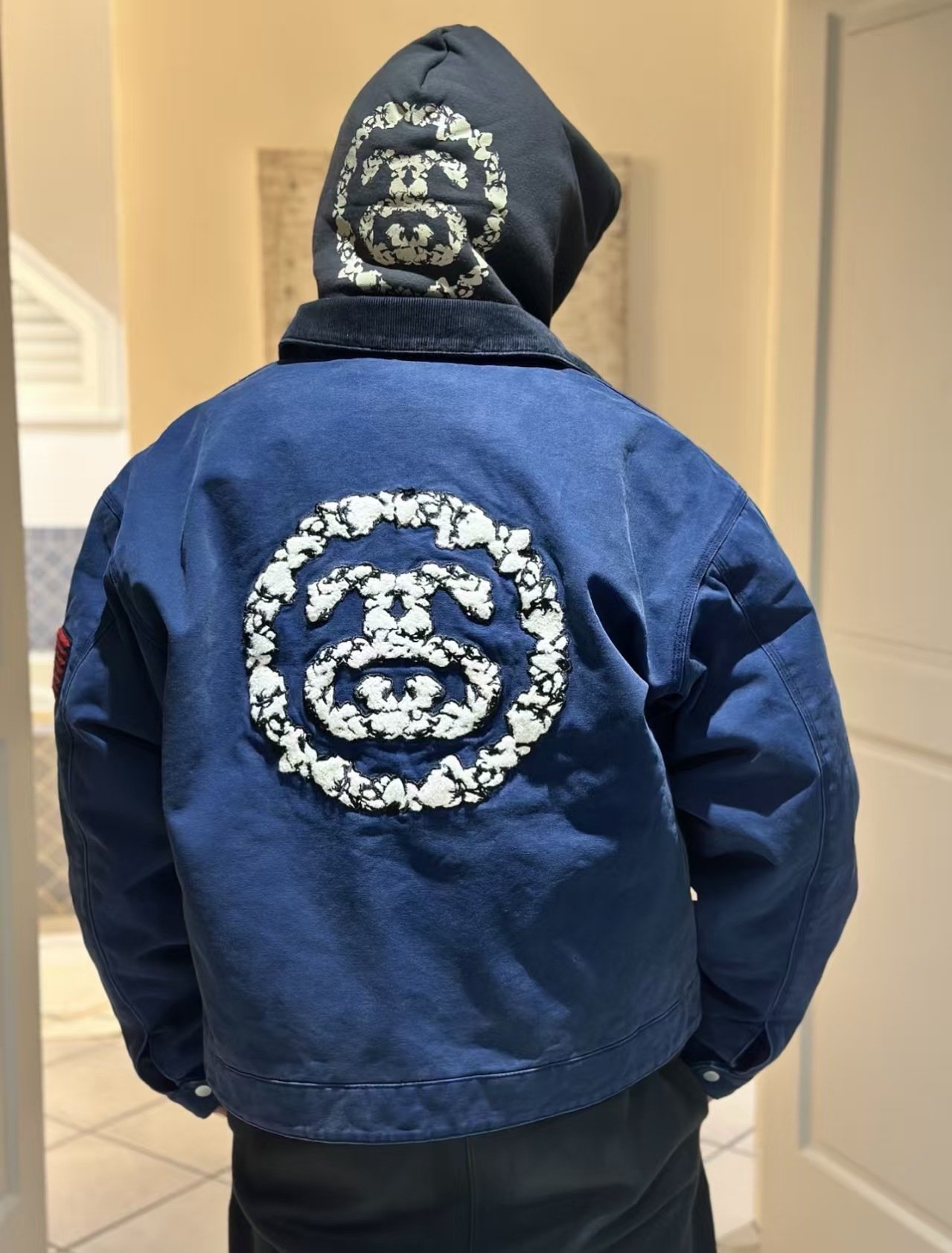
Manufacturer Impact Comparison
| Good Manufacturer | Poor Manufacturer |
|---|---|
| Consistent Quality | Frequent Defects |
| Clear Communication | Slow Responses |
| Reliable Delivery | Missed Deadlines |
| Growth Support | Production Bottlenecks |
Choosing the right factory early can save months of frustration.
2. Where Most New Brands Start Looking
Most clothing brands find their first manufacturer through one of four channels.
Option 1: Google Search
Search terms such as:
- streetwear manufacturer
- custom clothing manufacturer
- hoodie manufacturer
- private label clothing manufacturer
can reveal specialized factories.
Example resources:
Option 2: Trade Shows
Industry events allow founders to meet factories directly.
Popular examples include:
Trade shows provide valuable face-to-face interaction.
Option 3: Industry Referrals
Many brands find factories through:
- Other founders
- Industry consultants
- Fashion communities
- LinkedIn networks
Referrals often reduce risk because someone has already worked with the supplier.
Option 4: Manufacturing Directories
Platforms such as:
can help identify potential suppliers.
However, additional verification is always necessary.
3. Online Platforms vs Direct Manufacturers
New founders often wonder whether they should use sourcing platforms or contact factories directly.
Comparison
| Factor | Platform | Direct Factory |
|---|---|---|
| Convenience | High | Medium |
| Communication | Medium | High |
| Cost Control | Medium | High |
| Relationship Building | Low | High |
| Long-Term Scalability | Medium | High |
For long-term growth, direct relationships usually offer better results.
4. How to Shortlist Potential Factories
Don't contact 100 manufacturers.
Instead, create a focused shortlist.
My Recommended Process
- Find 10 potential factories
- Narrow to 5 serious candidates
- Request information
- Compare responses
- Order samples
Evaluation Checklist
| Criteria | Importance |
|---|---|
| Product Experience | High |
| Communication Speed | High |
| MOQ Flexibility | High |
| Sample Quality | Very High |
| Production Capacity | High |
The goal is quality over quantity.
5. Questions to Ask Before Choosing a Manufacturer
Most new brands ask about price first.
That is a mistake.
Start with these questions:
Manufacturing Questions
- What is your MOQ?
- What products do you specialize in?
- What is your sample timeline?
- What is your bulk production lead time?
- Can you provide fabric options?
- Do you offer private labeling?
- How is quality control handled?
Communication Questions
- Who will manage my project?
- How often will I receive updates?
- What happens if production issues occur?
The answers often reveal more than the quotation itself.
6. The Importance of Sampling
Never skip sampling.
A sample helps you evaluate:
- Fabric quality
- Fit
- Construction
- Printing
- Embroidery
- Wash effects
Sample Benefits
| Benefit | Reason |
|---|---|
| Quality Verification | Reduce production risk |
| Fit Testing | Improve customer satisfaction |
| Content Creation | Use for marketing photos |
| Product Refinement | Identify issues early |
Sampling is an investment, not an expense.
7. Red Flags to Watch For
Some warning signs should never be ignored.
Major Red Flags
❌ Extremely low prices
❌ Slow communication
❌ Unclear answers
❌ Refusal to provide samples
❌ Unrealistic lead times
❌ No quality control explanation
Risk Assessment
| Warning Sign | Risk Level |
|---|---|
| Delayed Replies | Medium |
| Missing Details | High |
| No Samples | Very High |
| Unclear Pricing | High |
If something feels wrong early, it usually gets worse later.
8. How Many Manufacturers Should You Contact?
A common mistake is contacting only one factory.
Another mistake is contacting fifty.
Recommended Approach
| Stage | Number |
|---|---|
| Initial Research | 10 |
| Serious Evaluation | 5 |
| Sample Testing | 2–3 |
| Final Selection | 1 |
This process provides enough comparison without becoming overwhelming.
9. Building a Long-Term Manufacturing Relationship
Your first manufacturer should ideally become a long-term partner.
What Strong Partnerships Look Like
✔ Transparent communication
✔ Consistent quality
✔ Collaborative problem solving
✔ Growth support
✔ Process improvements
Relationship Benefits
As your brand grows, a trusted manufacturer can help with:
- Better pricing
- Faster development
- Improved quality
- New product categories
Strong partnerships create long-term competitive advantages.
10. FAQ
How do most clothing brands find manufacturers?
Through Google searches, trade shows, referrals, and manufacturing directories.
Should I choose the cheapest factory?
No. Quality, communication, and reliability are usually more important.
How many samples should I order?
At least one sample, and often multiple revisions for custom products.
How long does it take to find a manufacturer?
Most brands spend 2–8 weeks researching, evaluating, and sampling.
Is it okay to work with overseas factories?
Yes. Many successful clothing brands manufacture internationally.
Final Thoughts
Finding your first manufacturer is one of the most important decisions you'll make as a clothing brand founder.
The best approach is simple:
- Research carefully
- Compare multiple options
- Prioritize communication
- Test samples thoroughly
- Build long-term relationships
Remember:
A great manufacturer doesn't just produce clothing—they help build your brand.
If you're looking for a manufacturing partner experienced in helping startup and growing apparel brands, explore:
Industry resources:
The right manufacturer can accelerate your growth, improve product quality, and make scaling significantly easier.
